
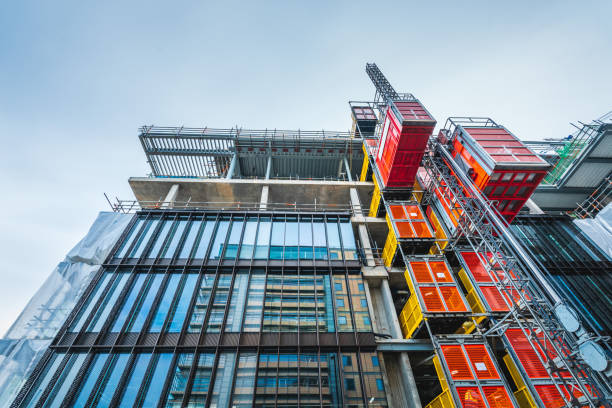
Cladding Systems Explained: Types, Benefits & Installation Guide
Cladding systems are no longer just an external architectural feature; they have become a critical component in modern steel and industrial buildings.
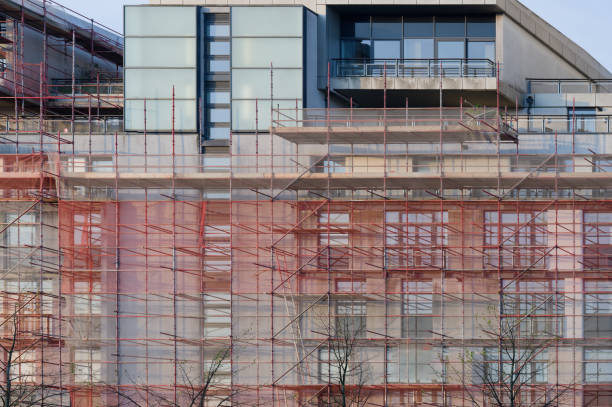
Whether used for factories, warehouses, commercial facilities, or large-scale industrial steel buildings, cladding systems play a major role in protection, insulation, durability, and visual identity.
Choosing the right cladding solution can significantly impact building performance, long-term maintenance costs, and overall project value.
In this guide, we explain what cladding systems are, why they matter, the main types available today, how installation works, and how to choose the right solution for your project.
What Are Cladding Systems?
Cladding systems refer to the external layer installed on a building’s structure to protect it from environmental factors while improving thermal performance and appearance.
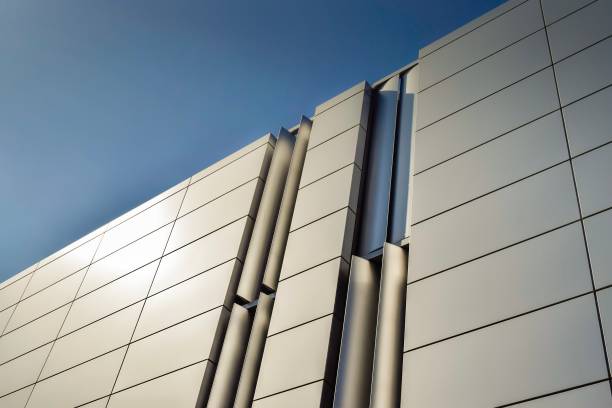
In steel construction, cladding systems are commonly installed over a steel frame and act as the building’s outer skin.
A typical wall cladding system or roof cladding solution provides protection against wind, rain, heat, and corrosion, while also contributing to insulation and energy efficiency.
Modern cladding systems are engineered to integrate seamlessly with pre-engineered steel buildings and conventional steel structures alike.
Start your project with confidence—contact us today at:
📲 +963 935 474 904
Why Cladding Systems Are Essential for Steel Buildings
Using high-quality cladding systems offers several functional and commercial advantages:
- Enhanced weather resistance and durability
- Improved thermal and acoustic insulation
- Reduced energy consumption and operating costs
- Faster construction timelines
- Low maintenance over the building’s lifecycle
- Clean, professional, and modern appearance
For industrial and commercial projects, cladding systems are not optional—they are a core structural and performance element.
Fast response and professional support are available at:
☎️ +963 935 474 904
Metal Cladding Panels
Metal cladding panels are among the most widely used solutions in steel construction projects.
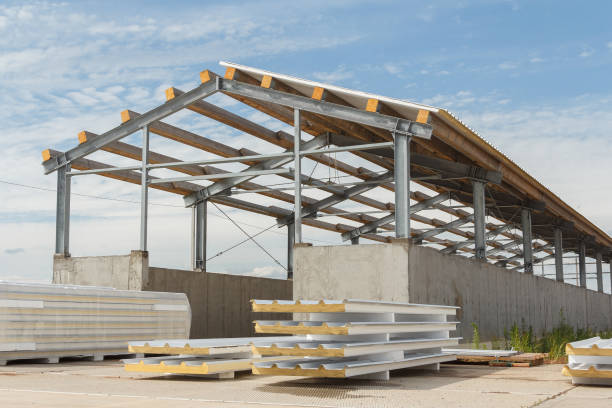
They are typically made from galvanized steel, aluminum, or coated steel sheets designed for strength and longevity.
Metal cladding panels are ideal for industrial facilities, warehouses, logistics centers, and manufacturing plants due to their high resistance to impact, fire, and harsh weather conditions.
They are available in different profiles, thicknesses, and finishes, allowing both functional and aesthetic customization.
Key benefits of metal cladding panels include long service life, low maintenance requirements, and compatibility with large-span steel structures.
Wall Cladding System
A wall cladding system is designed to protect vertical building surfaces while enhancing insulation and appearance.
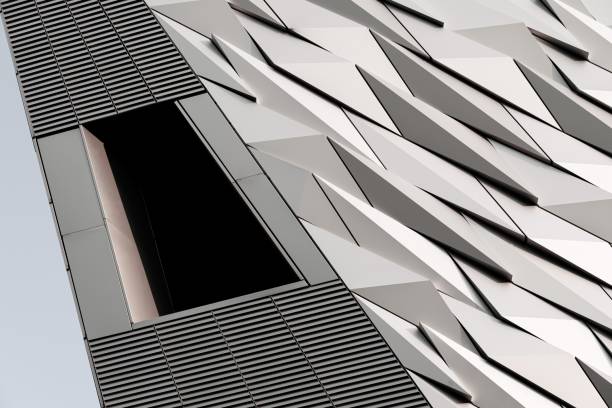
In steel buildings, wall cladding systems are often integrated with insulation layers to meet energy efficiency standards.
These systems can be single-skin or insulated sandwich panels, depending on project requirements.
For temperature-controlled environments such as factories, cold storage units, or production plants, insulated wall cladding systems provide excellent thermal performance.
A well-designed wall cladding system also improves internal comfort, reduces noise penetration, and adds structural rigidity to the building envelope.
Roof Cladding Sheets
Roof cladding sheets play a crucial role in protecting steel buildings from weather exposure while ensuring proper drainage and insulation.
High-quality roof cladding sheets are engineered to handle wind loads, rainwater runoff, and thermal expansion.
In industrial steel buildings, roof cladding sheets are typically paired with insulation layers to minimize heat transfer and condensation.
Proper roof cladding selection directly impacts building lifespan and operational efficiency.
Modern roof cladding sheets are available in various profiles and coatings that improve corrosion resistance and reflect solar heat, contributing to energy savings.
Cladding Installation
Professional cladding installation is essential to achieve optimal performance and durability.
Even the best cladding materials can fail if installation is not executed correctly.
The cladding installation process typically includes:
- Structural inspection and alignment
- Installation of support rails and fixing systems
- Placement of insulation layers
- Fixing cladding panels or sheets
- Sealing joints and weatherproofing
Efficient cladding installation reduces construction time and ensures long-term performance.
For large steel projects, prefabricated cladding components significantly speed up installation while maintaining consistent quality.
Cladding Materials Comparison
Choosing the right cladding solution requires a clear cladding materials comparison based on performance, cost, and application.
Steel cladding offers maximum durability and strength, making it ideal for industrial environments. Aluminum cladding is lightweight and corrosion-resistant, suitable for coastal or architectural projects. Composite and sandwich panels provide superior insulation and fast installation, making them popular in turnkey steel buildings.
A proper cladding materials comparison should consider climate conditions, building function, budget, and long-term maintenance requirements rather than upfront cost alone.
Also learn about Steel Structure Installation: Step-by-Step Erection Process
How to Choose the Right Cladding System
Selecting the right cladding systems depends on multiple project-specific factors:
- Building type and function
- Environmental exposure
- Thermal and acoustic requirements
- Budget and lifecycle cost
- Installation timeline
For industrial and commercial steel buildings, engineered cladding systems deliver the best balance between performance, speed, and cost efficiency.
We are ready to support your project from concept to completion. Call:
📞 +963 935 474 904
Conclusion
Cladding systems are a critical element in modern steel construction, providing protection, insulation, durability, and visual appeal. From metal cladding panels to advanced wall cladding systems and high-performance roof cladding sheets, the right solution enhances both building performance and investment value.
Understanding cladding installation processes and conducting a proper cladding materials comparison allows project owners to make informed decisions that reduce long-term costs and improve operational efficiency. When integrated correctly with steel structures, cladding systems deliver reliable performance for decades.
For any industrial or commercial steel project, investing in high-quality cladding systems is not just a design choice—it is a strategic decision that ensures durability, efficiency, and long-term success.