
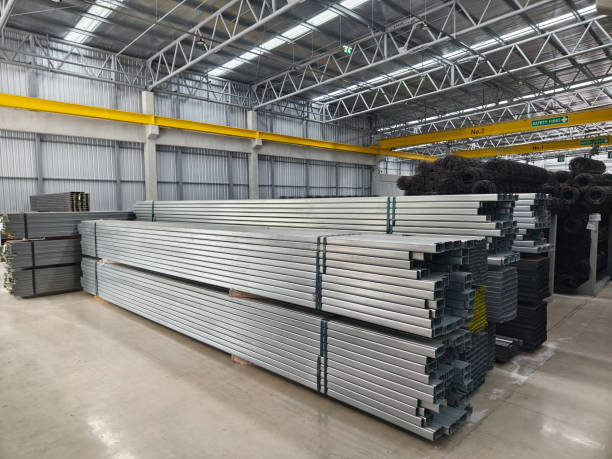
Fire Rated Steel Buildings: Standards, Materials & Best Practices
Fire rated steel buildings are a critical requirement in modern industrial, commercial, and large-scale infrastructure projects.
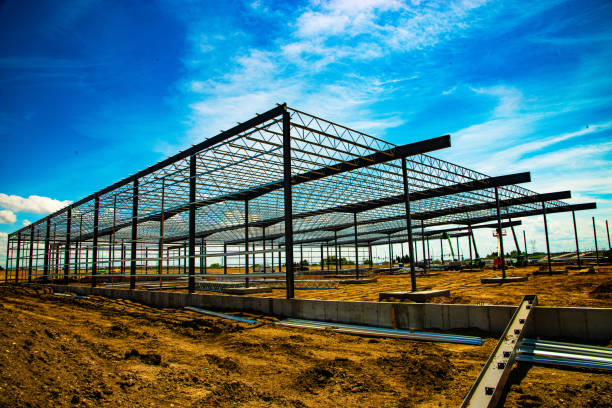
As regulations become stricter and safety expectations rise, fire-rated steel buildings are no longer an optional upgrade but a fundamental design requirement.
From factories and warehouses to power plants and logistics hubs, fire safety directly affects asset protection, operational continuity, and human safety.
This article provides a complete overview of fire rated steel buildings, explaining how fire protection works, which materials are used, the most important fire rating standards, and the best practices that ensure long-term industrial fire safety.
For inquiries or quotations, please contact us at:
📞 +963 935 474 904
What Are Fire Rated Steel Buildings?
Fire rated steel buildings are steel structures designed and protected to resist fire for a specified period without losing structural integrity.
Steel itself is non-combustible, but at high temperatures it can lose strength rapidly. Fire-rated systems are therefore applied to delay temperature rise and maintain load-bearing capacity during a fire event.
In industrial environments, fire rated steel buildings are engineered to protect people, equipment, and operations by providing sufficient time for evacuation, fire suppression, and emergency response.
Why Fire Rating Is Critical in Steel Construction
Fire safety is a major concern in industrial steel buildings due to:
- Large open spaces
- High fire loads from machinery and stored materials
- Electrical systems and fuel sources
- Continuous operations with human occupancy
Fire rated steel buildings reduce the risk of catastrophic structural failure, limit fire spread, and support compliance with local and international regulations.
Proper fire rating also protects investments by minimizing damage and downtime after a fire incident.
Fire Protection Steel Structures
Fire protection steel structures involve applying systems and materials that protect steel members from heat exposure.
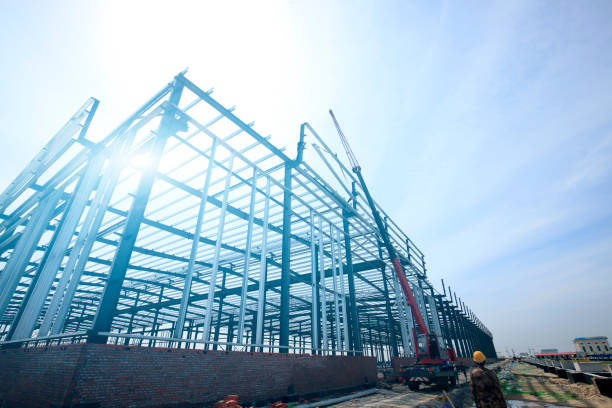
These systems are designed to slow down temperature increase in the steel during a fire.
Common fire protection steel structures methods include:
- Fireproof coatings
- Encasement with fire-resistant boards
- Concrete or masonry encasement
- Intumescent paint systems
Each method provides a different level of fire resistance and is selected based on building use, required fire rating duration, and environmental conditions.
Also learn about Steel Structure Installation: Step-by-Step Erection Process
Fireproof Coating Steel
Fireproof coating steel is one of the most widely used solutions in fire rated steel buildings. These coatings are applied directly to steel surfaces and are designed to insulate the steel from high temperatures.
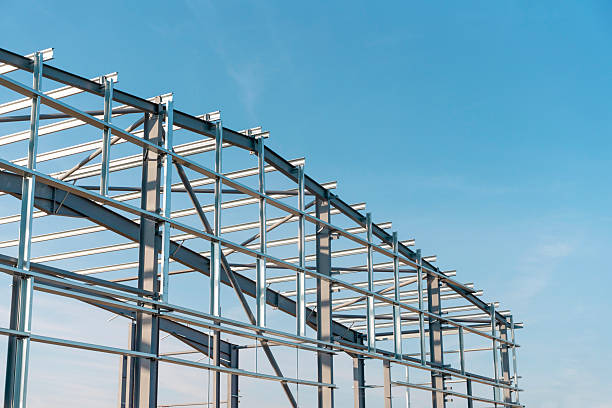
There are two main types of fireproof coating steel:
- Cementitious coatings: thick, durable, and commonly used in industrial settings
- Intumescent coatings: thin-film coatings that expand when exposed to heat, forming an insulating char layer
Fireproof coating steel systems are popular because they offer effective fire resistance while preserving the steel structure’s design flexibility and aesthetics.
Our technical team is ready to assist you. Call us at:
📲 +963 935 474 904
Passive Fire Protection
Passive fire protection plays a central role in fire rated steel buildings. Unlike active systems such as sprinklers or alarms, passive fire protection works continuously without activation.
Passive fire protection systems include:
- Fire-resistant coatings and boards
- Fire-stopping seals at penetrations
- Compartmentation using fire-rated walls and floors
- Protected structural steel members
The goal of passive fire protection is to contain fire, limit structural damage, and maintain stability long enough for evacuation and emergency intervention.
Fire Rating Standards
Compliance with fire rating standards is mandatory for steel buildings in most jurisdictions. Fire rating standards define how long a structural element must resist fire exposure, commonly expressed in minutes or hours (e.g., 60, 90, 120 minutes).
Key fire rating standards include:
- ISO fire resistance testing standards
- EN standards for structural fire protection
- ASTM and UL fire testing methods
Fire rating standards are used to evaluate fireproof coating steel systems, structural assemblies, and overall building fire performance. Meeting these standards ensures regulatory approval and insurance compliance.
Industrial Fire Safety
Industrial fire safety goes beyond structural fire protection. Fire rated steel buildings are part of a broader fire safety strategy that includes detection, suppression, evacuation planning, and risk management.
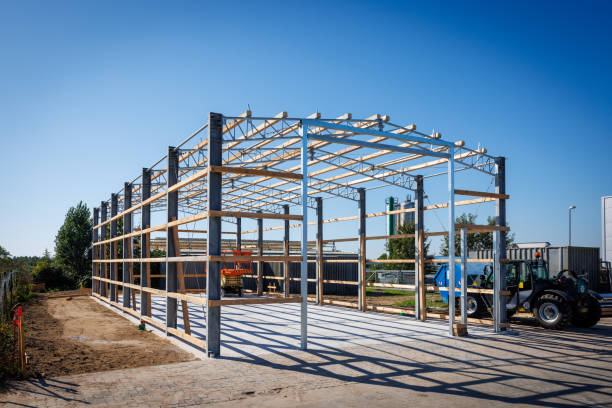
Industrial fire safety considerations include:
- Fire load assessment
- Emergency access routes
- Integration with sprinkler and alarm systems
- Safe evacuation pathways
- Fire compartment zoning
When combined with properly designed fire rated steel buildings, these measures significantly reduce risk to people and assets.
Looking for a reliable solution for your project? Contact us now at:
☎️ +963 935 474 904
Best Practices for Fire Rated Steel Buildings
Designing effective fire rated steel buildings requires a combination of engineering expertise and practical execution.
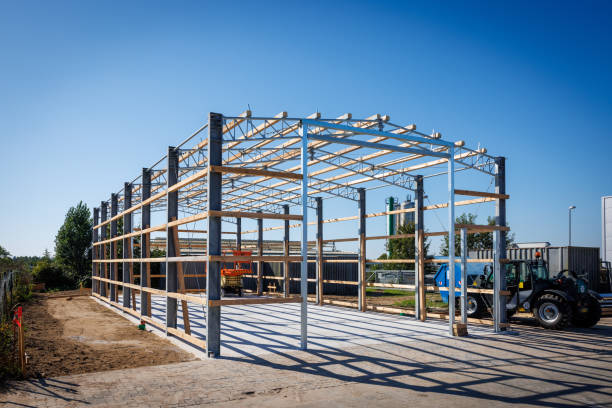
Best practices include:
- Early integration of fire protection in the design phase
- Selecting fire protection systems based on realistic fire scenarios
- Ensuring compatibility between coatings, cladding, and steel members
- Using certified materials tested under recognized fire rating standards
- Proper surface preparation before applying fireproof coatings
- Regular inspection and maintenance of fire protection systems
Following these best practices ensures that fire rated steel buildings perform as intended throughout their service life.
Fire Rating and Industrial Building Types
Different industrial facilities require different fire protection strategies. Warehouses storing flammable goods may require higher fire ratings than assembly plants. Power facilities, chemical plants, and heavy manufacturing units often demand advanced fire protection steel structures due to elevated risk levels.
Fire rated steel buildings can be tailored to specific industrial applications by adjusting fire resistance duration, protection methods, and compartmentation design.
Long-Term Performance and Maintenance
Maintaining fire rated steel buildings is essential for long-term safety. Fireproof coating steel systems should be inspected regularly for damage, moisture exposure, or mechanical impact. Passive fire protection components must remain intact and properly sealed.
A maintenance plan ensures that fire protection systems remain effective and compliant with fire rating standards over time.
Sustainability and Fire Protection
Modern fire rated steel buildings also support sustainability goals. Many fireproof coating steel products are low in volatile organic compounds and designed for long service life.
Steel itself is recyclable, making fire-rated steel construction an environmentally responsible choice.
By combining durability, safety, and sustainability, fire rated steel buildings offer long-term value for industrial and commercial projects.
Fire rated steel buildings are a cornerstone of modern industrial fire safety, providing essential protection for people, assets, and operations.
Through advanced fire protection steel structures, effective fireproof coating steel systems, and robust passive fire protection strategies, steel buildings can maintain structural integrity under extreme fire conditions.
Compliance with recognized fire rating standards and a comprehensive approach to industrial fire safety ensure that fire rated steel buildings meet regulatory requirements while delivering long-term performance.
When designed and executed correctly, fire rated steel buildings are not just safer—they are smarter, more resilient, and better prepared for the demands of modern industrial environments.