
What Are Pre Engineered Buildings (PEB)?
Pre-engineered buildings have become one of the most effective construction solutions for modern industrial and commercial projects.
As businesses demand faster delivery, controlled budgets, and long-term structural performance, traditional construction methods often struggle to keep up.
This is why Pre-engineered buildings are now considered a strategic choice for companies seeking efficiency and reliability. By relying on factory-engineered steel systems, these buildings provide a balance between speed, durability, and predictable costs. In this article, we explore what pre engineered buildings are, how they work, their advantages, costs, and where they are most commonly used.
PEB Structure
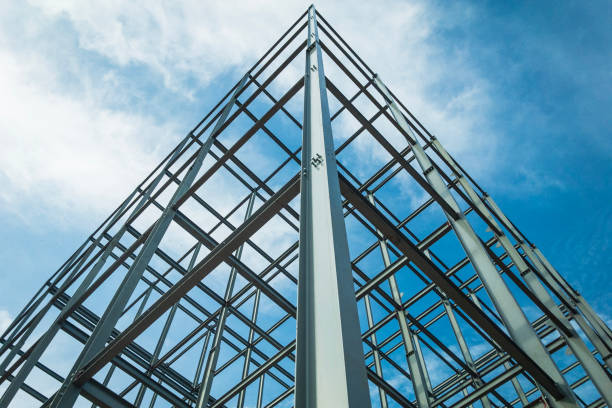
A PEB structure is a complete building system that is designed, engineered, and fabricated in a controlled factory environment before being assembled on-site.
Unlike conventional buildings, where materials are shaped and modified during construction, Pre-engineered buildings rely on precision manufacturing based on detailed engineering calculations.
This results in consistent quality and reduced construction errors.
A typical PEB structure consists of primary steel frames that carry the main loads, secondary members such as purlins and girts, roof and wall panels, insulation systems, and fastening components.
Each element is designed to work together as part of an integrated system.
This approach makes Pre-engineered buildings ideal for projects that require large clear spans, high ceilings, and efficient use of space, such as warehouses and production facilities.
Pre Engineered Steel Building
A Pre-engineered steel building offers significant advantages over traditional steel or concrete construction. Because all components are manufactured in a factory, quality control is much higher, and material waste is greatly reduced.
This controlled process ensures that each pre engineered steel building meets strict engineering and safety standards.
Another key benefit is construction speed.
Since the components arrive on-site ready for assembly, installation can be completed in a fraction of the time required for conventional buildings.
This is especially important for industrial steel buildings, where delays can affect operations and profitability. Additionally, pre engineered buildings allow for flexible architectural designs, making them suitable for both functional industrial use and visually appealing commercial projects.
PEB Advantages
The growing popularity of pre engineered buildings is driven by their wide range of advantages. One of the most important PEB advantages is cost efficiency. Optimized steel usage and reduced labor requirements lead to lower overall project costs. This makes pre engineered buildings particularly attractive for large-scale industrial developments.
Another major advantage is durability. Steel structures offer excellent resistance to harsh weather conditions, including high winds, heavy loads, and temperature fluctuations. Pre engineered buildings are also designed for easy maintenance and long service life, often exceeding 30 to 50 years. Flexibility is another key benefit, as PEB systems can be expanded or modified to meet future operational needs. These advantages make pre engineered buildings a future-ready solution for businesses planning long-term growth.
Steel Building Cost
Steel building cost is a critical factor for decision-makers, and this is where pre engineered buildings truly stand out. Because PEB systems are engineered to use steel efficiently, material costs are significantly reduced compared to traditional construction methods. The factory-based fabrication process also minimizes waste and rework, further controlling expenses.
In addition to material savings, labor costs are lower due to faster on-site assembly. Shorter construction timelines mean reduced overhead and quicker project completion. When evaluating steel building cost, it is important to consider the full lifecycle of the building, including maintenance, energy efficiency, and durability. Pre engineered buildings often deliver better long-term value, making them a cost-effective investment for industrial and commercial projects.
Industrial Steel Buildings
Industrial steel buildings are among the most common applications of pre engineered buildings. Manufacturing plants, warehouses, logistics centers, and distribution facilities all benefit from the strength, flexibility, and scalability of PEB systems. These buildings require large open spaces, high load-bearing capacity, and the ability to adapt to changing operational needs.
Pre engineered buildings are particularly well-suited for industrial environments because they can support heavy machinery, overhead cranes, and complex workflows. Their modular design allows industrial steel buildings to expand as production demands grow, without disrupting existing operations. This adaptability makes pre engineered buildings an ideal solution for industries seeking efficiency, durability, and long-term performance.
Also learn about Euro Steel International Pioneering Construction Solutions in the Middle
How Pre Engineered Buildings Are Constructed
The construction process of pre engineered buildings follows a clear and efficient workflow. It begins with a detailed project analysis, where engineers evaluate load requirements, environmental conditions, and building usage. Based on this data, a customized PEB structure is designed to optimize performance and cost.
Once the design is finalized, all steel components are fabricated in a factory under strict quality control. The finished components are then transported to the site and assembled using bolted connections. This streamlined process reduces on-site labor, minimizes delays, and ensures consistent quality throughout the project. Compared to traditional construction, pre engineered buildings offer a faster and more reliable path from design to completion.
Best Practices for Pre Engineered Buildings
To maximize the benefits of pre engineered buildings, certain best practices should be followed. Choosing an experienced PEB manufacturer is essential to ensure accurate design and high-quality fabrication. Proper foundation planning is critical, as it directly affects the structural performance and longevity of the building.
It is also important to plan for future expansion and select appropriate insulation and ventilation systems. Evaluating the total steel building cost over the building’s lifecycle, rather than focusing only on initial expenses, helps ensure a smarter investment. By following these practices, businesses can fully benefit from the advantages of pre engineered buildings.
Common Mistakes to Avoid
Despite their many benefits, pre engineered buildings can underperform if mistakes are made during planning or execution. Choosing low-quality materials to reduce upfront costs often leads to higher maintenance expenses later. Ignoring future expansion needs can limit a building’s usability as operations grow.
Poor site preparation and inadequate foundations can also compromise structural integrity. These issues can be avoided by working with qualified engineers and focusing on long-term performance rather than short-term savings. Proper planning is key to the success of any pre engineered building project.
Conclusion
Pre engineered buildings have redefined modern construction by offering speed, efficiency, and cost control without sacrificing quality. From optimized PEB structure design to predictable steel building cost, they provide unmatched value for industrial and commercial applications. Their flexibility, durability, and scalability make them especially suitable for industrial steel buildings and growing businesses.
For companies seeking reliable, future-ready construction solutions, pre engineered buildings are no longer just an alternative—they are the smart standard. By choosing the right PEB partner and following best practices, businesses can ensure long-term success and sustainable growth through advanced steel construction systems.