
Steel Structure Installation: Step-by-Step Erection Process
Steel construction has become a cornerstone of modern industrial and commercial development, and successful projects rely heavily on proper steel structure installation.
While design and fabrication receive much attention, the installation phase is where planning, precision, and execution come together on-site.
A well-managed installation process ensures structural integrity, safety compliance, cost control, and timely project delivery.
In this article, we provide a clear, step-by-step guide to steel structure installation, explaining how each phase contributes to overall project success.
From site preparation to final alignment, understanding the erection process helps developers, engineers, and project managers avoid delays and optimize performance across industrial steel buildings, warehouses, factories, and large-span structures.
Steel Erection Process
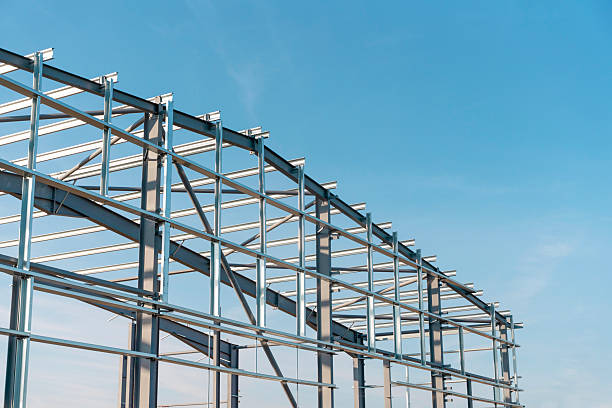
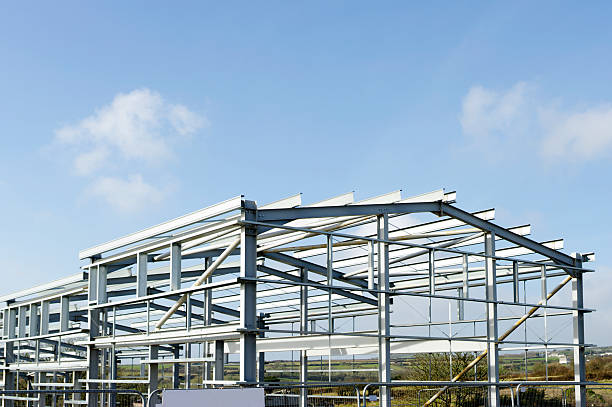
The steel erection process is the backbone of steel structure installation and involves assembling fabricated steel components into their final structural position.

This process begins once all steel members—columns, beams, bracings, and connection plates—are delivered to the site according to the approved erection sequence.
Erection typically starts with vertical elements such as columns, which are positioned and temporarily stabilized before horizontal members are installed.
Beams, girders, and secondary framing follow, forming the structural skeleton of the building.
Each component must be installed according to detailed erection drawings to ensure load paths and connections perform as designed.
Precision is critical at this stage.
Surveying instruments are used continuously to verify alignment, elevation, and plumbness.
Bolted or welded connections are executed under strict quality control, ensuring compliance with structural standards.
A well-coordinated steel erection process not only accelerates installation but also minimizes rework, enhances safety, and maintains structural accuracy throughout the project.
For inquiries or quotations, please contact us at:
📞 +963 935 474 904
Site Preparation Steel Building
Proper site preparation steel building activities are essential before any steel structure installation begins. This phase sets the foundation for efficient erection and long-term structural performance.
Site preparation includes ground leveling, soil compaction, access road development, and the installation of temporary utilities required for construction operations.
One of the most critical elements of site preparation is the foundation system.
Anchor bolts must be accurately positioned according to structural drawings, as even minor deviations can cause significant delays during column installation.
Foundation elevations, bolt alignment, and concrete strength are verified before steel delivery to ensure readiness.
Additionally, site logistics planning plays a key role.
Designated storage areas for steel components, crane access zones, and safe material handling routes must be established in advance.
Effective site preparation steel building practices reduce congestion, improve workflow, and prevent costly installation interruptions once erection begins.
Looking for a reliable solution for your project? Contact us now at:
☎️ +963 935 474 904
Crane Erection Steel
Crane erection steel operations are at the heart of steel structure installation, especially for large-scale industrial projects.
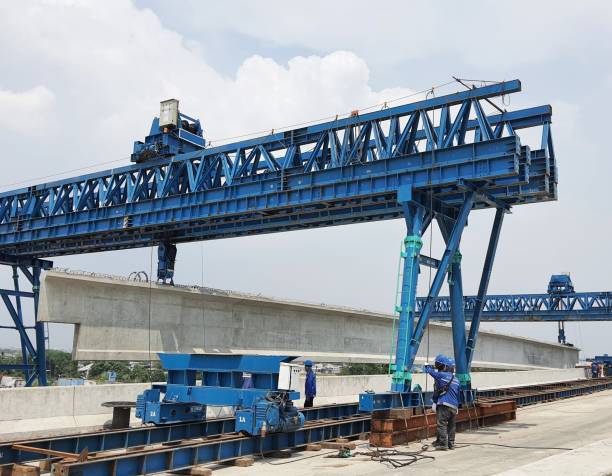
Selecting the appropriate crane type—whether mobile, crawler, or tower crane—depends on building height, component weight, site constraints, and lifting radius requirements.
Crane erection follows a predefined lifting plan that outlines the sequence of lifts, rigging methods, load weights, and crane positioning.
This plan ensures that steel components are installed efficiently while minimizing risk to personnel and equipment.
Columns are usually lifted first, followed by primary beams and roof members, progressing systematically across the structure.
Communication between crane operators, riggers, and erection supervisors is vital.
Clear signaling protocols and real-time coordination prevent accidents and ensure smooth execution.
When crane erection steel activities are properly planned and managed, installation speed increases significantly, reducing overall project duration without compromising safety or accuracy.
Also learn about Steel Structure Cost: What Affects Pricing in 2026?
Safety in Steel Erection
Ensuring safety in steel erection is a top priority throughout the steel structure installation process.
Steel erection involves working at heights, handling heavy components, and operating large machinery, all of which introduce inherent risks if not properly managed.
A comprehensive safety plan must be implemented before erection begins.
This includes risk assessments, safety training, and the enforcement of personal protective equipment (PPE) requirements.
Fall protection systems, such as safety harnesses and lifelines, are mandatory for workers operating above ground level.
Regular inspections of lifting equipment, temporary bracing, and connection stability are conducted to prevent structural instability during erection.
Additionally, clear exclusion zones are established to protect ground personnel from falling objects.
By prioritizing safety in steel erection, contractors not only protect workers but also maintain productivity, avoid project shutdowns, and uphold industry compliance standards.
Get expert consultation for your steel project by calling:
📞 +963 935 474 904
Project Timeline Steel Structure
Managing the project timeline steel structure installation requires careful coordination between engineering, fabrication, logistics, and on-site erection teams.
Unlike conventional construction, steel structure installation benefits from parallel workflows, where fabrication can proceed while site preparation is underway.
A typical project timeline includes pre-installation planning, material delivery, erection sequencing, connection completion, and final alignment checks.
Any disruption in material supply, crane availability, or site readiness can impact the overall schedule.
Therefore, proactive scheduling and contingency planning are essential.
Advanced planning tools and digital project management systems help monitor progress, track milestones, and identify potential delays early.
Efficient steel structure installation often results in significantly shorter construction timelines compared to traditional building methods, making steel structures an ideal solution for time-sensitive industrial and commercial projects.
For more information about our services, feel free to contact us at:
📲 +963 935 474 904
Conclusion
Successful steel structure installation is the result of strategic planning, technical expertise, and disciplined execution across every phase of the erection process.
From thorough site preparation steel building activities to a well-orchestrated steel erection process, each step plays a vital role in ensuring structural accuracy, safety, and efficiency.
Crane erection steel operations, when supported by precise lifting plans and skilled crews, enable fast and reliable assembly even for complex industrial steel buildings.
Equally important is maintaining strict safety in steel erection, as a secure work environment directly influences productivity and project continuity.
When safety protocols are embedded into daily operations, teams can work confidently at height and under demanding conditions.
Finally, effective management of the project timeline steel structure installation allows stakeholders to meet deadlines, control costs, and deliver high-quality steel buildings ready for long-term use.
In an industry where time, precision, and reliability matter, mastering the steel structure installation process is not optional—it is essential.
With the right approach, steel construction continues to offer unmatched speed, strength, and flexibility for modern infrastructure and industrial development.