
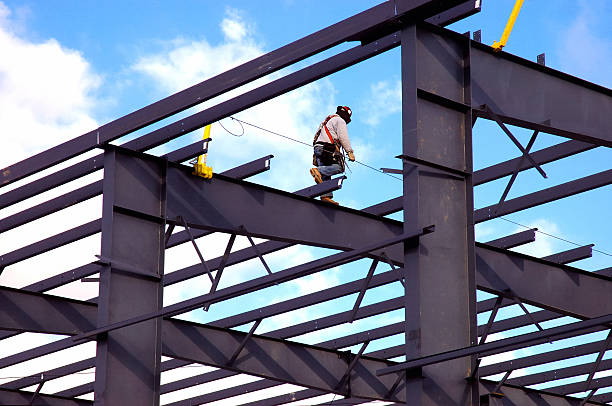
Structural Steel Design: Key Engineering Principles for Safe Buildings
Structural steel design is the foundation of safe, efficient, and durable steel buildings.
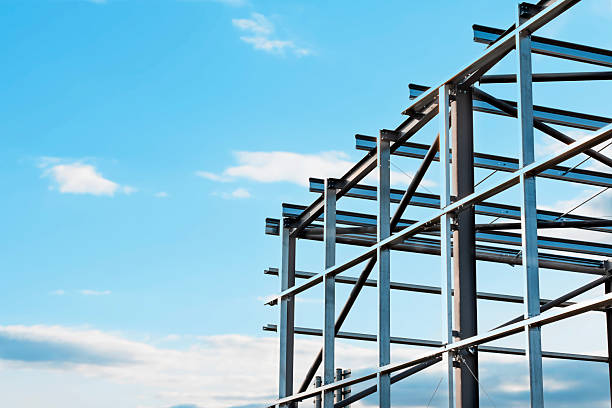
From industrial facilities and warehouses to commercial complexes and infrastructure projects, structural design ensures that buildings can safely support loads, resist environmental forces, and perform reliably throughout their service life.
As steel construction continues to dominate modern building practices, understanding the key engineering principles behind structural steel design has never been more important.
This article explores the essential concepts of structural steel design, including engineering fundamentals, load calculations, connection design, stability considerations, and the role of international design codes in delivering safe steel structures.
Looking for a reliable solution for your project? Contact us now at:
☎️ +963 935 474 904
What Is Structural Steel Design?
Structural design is the engineering process of selecting, analyzing, and detailing steel members to form a safe and efficient structural system.
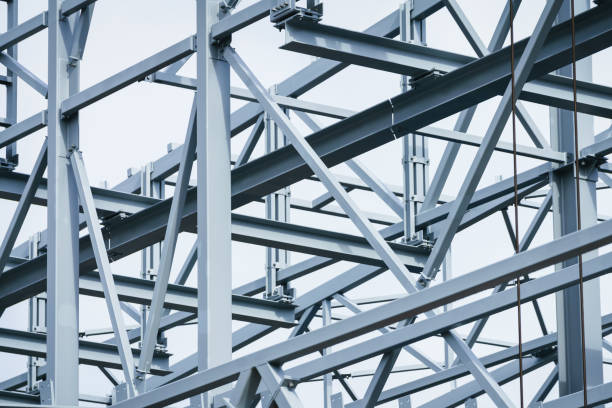
It involves determining the size, shape, and arrangement of beams, columns, bracing, and connections to support applied loads and resist external forces.
In industrial and commercial projects, structural design balances safety, constructability, cost efficiency, and long-term performance.
Proper design ensures that steel structures meet functional requirements while complying with safety regulations and engineering standards.
Importance of Structural Steel Design in Modern Construction
High-quality structural design directly impacts building safety, durability, and operational efficiency. Poor design can lead to excessive deflection, instability, or even structural failure.
Conversely, optimized design minimizes material usage while maximizing strength and reliability.
Key benefits of effective structural steel design include:
- High load-bearing capacity
- Predictable structural behavior
- Faster fabrication and erection
- Flexibility for future expansion
- Long service life with minimal maintenance
For industrial steel buildings, sound structural steel design is critical to supporting heavy equipment, cranes, and dynamic loads.
Steel Structure Engineering
Steel structure engineering is the technical backbone of structural design.
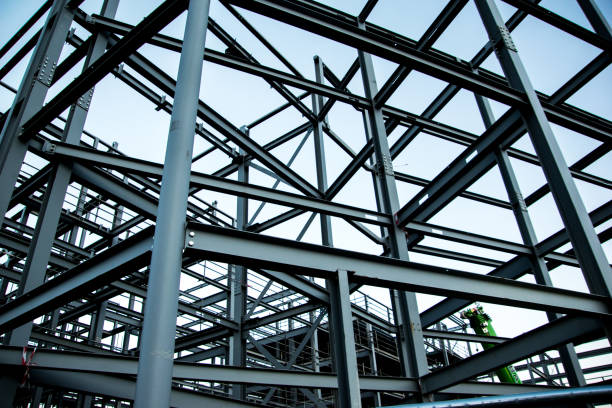
It involves structural analysis, material selection, and detailing based on engineering principles and real-world performance requirements.
Engineers assess load paths, member forces, and structural behavior under various conditions. Steel structure engineering also considers fabrication tolerances, erection sequences, and interaction between structural elements to ensure constructability and safety.
Advanced software tools and engineering methods allow precise modeling of steel structures, reducing errors and improving design accuracy.
Also learn about Fire-Rated Steel Buildings: Standards, Materials & Best Practices
Load Calculation Steel Building
Load calculation steel building processes are fundamental to safe structural steel design.
Engineers must accurately determine all loads acting on a steel structure to ensure adequate strength and stability.
Common loads considered include:
- Dead loads from structural components
- Live loads from occupants, equipment, and storage
- Wind loads based on location and height
- Seismic loads in earthquake-prone regions
- Snow and environmental loads
Accurate load calculation steel building analysis ensures that steel members and connections are sized correctly to resist both static and dynamic forces.
Connection Design Steel
Connection design steel is a critical aspect of structural steel design, as connections transfer forces between members and ensure overall structural integrity.
Poorly designed connections can compromise an otherwise strong steel structure.
Connection design steel involves selecting appropriate bolts, welds, plates, and detailing methods to safely transmit loads.
Engineers must consider shear, tension, bending, and combined forces when designing connections.
Well-designed connections improve constructability, reduce erection time, and enhance structural reliability under service and extreme loading conditions.
Stability in Steel Structures
Stability in steel structures is essential to prevent buckling, sway, and collapse.
Structural steel design must address both global stability of the entire building and local stability of individual members.
Stability systems may include:
- Bracing systems
- Rigid frame action
- Moment-resisting connections
- Shear walls or cores
Ensuring stability in steel structures requires careful consideration of load paths, member slenderness, and lateral force resistance.
Proper stability design enhances safety and performance under wind and seismic loads.
Get expert consultation for your steel project by calling:
📞 +963 935 474 904
Design Codes Steel Structures
Compliance with design codes steel structures is mandatory for safe and legal construction.
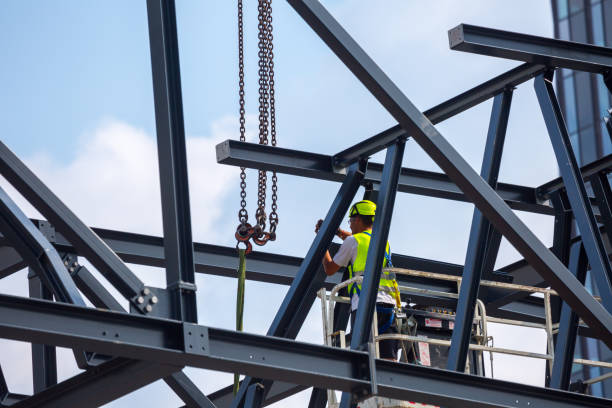
Design codes provide standardized criteria for load combinations, material properties, safety factors, and detailing requirements.
Common design codes steel structures include:
- Eurocodes
- AISC specifications
- BS standards
- International building codes
Design codes steel structures ensure consistency, safety, and reliability across projects while facilitating regulatory approval and quality assurance.
Integration with Fabrication and Erection
Effective structural steel design considers fabrication and erection from the early stages.
Design decisions affect steel cutting, welding, transportation, and site assembly.
Designs that align with fabrication capabilities reduce waste, minimize errors, and speed up construction. Coordinating structural steel design with erection planning ensures smooth project execution and reduced costs.
Structural Steel Design for Industrial Buildings
Industrial facilities place unique demands on structural steel design due to heavy loads, dynamic forces, and harsh operating conditions.
Steel structures must support cranes, machinery, mezzanines, and specialized equipment.
Industrial structural steel design prioritizes robustness, redundancy, and adaptability to meet long-term operational needs while maintaining safety.
Quality Control and Safety
Quality control is an integral part of structural steel design implementation.
Material certification, fabrication inspection, and site quality checks ensure that design intent is achieved in construction.
Safety margins built into structural steel design protect against uncertainties and unforeseen loads, reinforcing long-term structural performance.
Sustainability and Efficient Design
Modern structural steel design also supports sustainability goals.
Optimized designs reduce material usage, lower embodied carbon, and enhance recyclability.
Steel’s durability and adaptability extend building life, reducing the need for demolition and reconstruction.
Structural steel design is the cornerstone of safe and reliable steel buildings.
Through advanced steel structure engineering, accurate load calculation steel building processes, robust connection design steel, and careful consideration of stability in steel structures, engineers create structures that perform under demanding conditions.
Adherence to recognized design codes steel structures ensures compliance, safety, and long-term performance. When executed with expertise and precision, structural steel design delivers buildings that are strong, efficient, adaptable, and built to last.
We are ready to support your project from concept to completion. Call:
📞 +963 935 474 904