
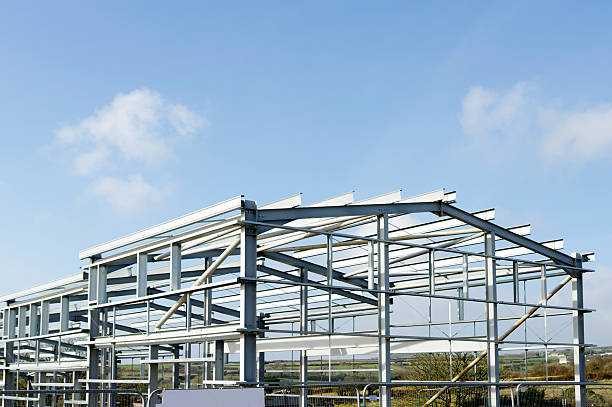
Common Steel Erection Mistakes (and How to Avoid Them)
Steel erection is one of the most critical phases in any structural steel or pre-engineered building project.
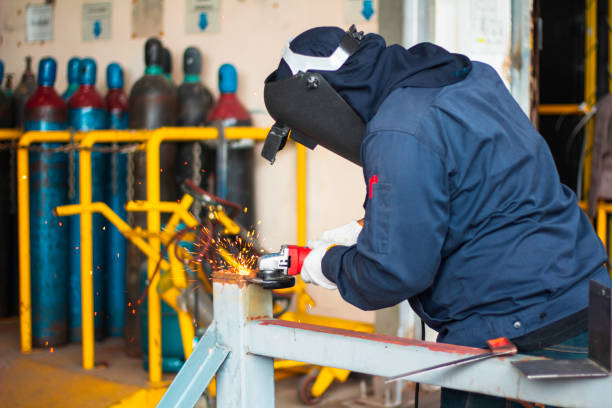
Even small errors during installation can lead to structural instability, costly delays, safety hazards, and long-term performance issues.
In this complete guide to Common Steel Erection Mistakes (and How to Avoid Them), we analyze the most frequent site errors and provide practical solutions to prevent them.
Understanding Common Steel Erection Mistakes (and How to Avoid Them) helps contractors, project managers, and site engineers reduce rework, improve safety performance, and ensure compliance with structural standards.
From foundation preparation to final handover documentation, every stage requires precision and discipline.
By proactively addressing Common Steel Erection Mistakes (and How to Avoid Them), steel contractors can protect project timelines, maintain structural integrity, and enhance client satisfaction.
Foundation & Anchor Bolt Errors Before Steel Arrives
Foundation & Anchor Bolt Errors Before Steel Arrives
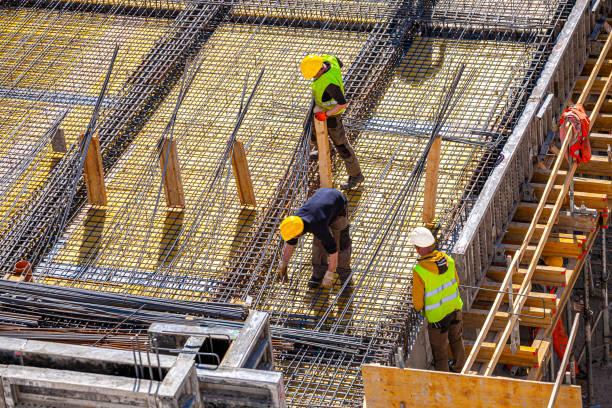
One of the most overlooked yet critical components in Common Steel Erection Mistakes (and How to Avoid Them) occurs before the steel even reaches the site.
Foundation accuracy and anchor bolt positioning are fundamental to successful steel erection.
Incorrect anchor bolt alignment, improper embedment depth, or inaccurate bolt projection height can create severe installation challenges.
If anchor bolts do not match the base plate holes precisely, site teams are forced to enlarge holes or modify plates — both of which compromise structural integrity.
Improper leveling of pedestal tops also leads to uneven column seating, which affects plumbness and load distribution.
Another common issue is failing to verify bolt grid dimensions against approved shop drawings before concrete casting.
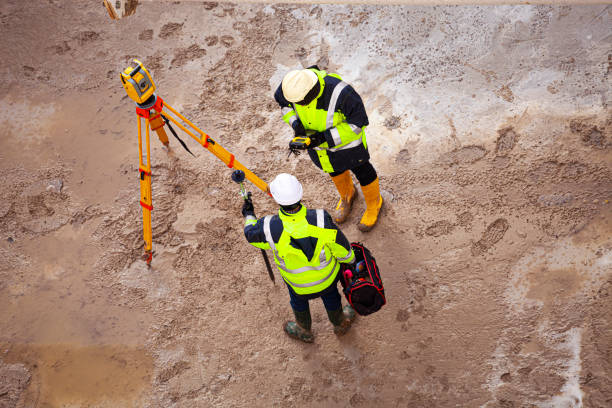
Preventive measures include conducting a pre-pour survey, using anchor bolt templates, and verifying all grid coordinates with total station equipment.
Avoiding foundation-related issues is the first and most crucial step in eliminating Common Steel Erection Mistakes (and How to Avoid Them).
Misalignment Issues: Plumbness, Leveling, and Grid Deviations
Misalignment Issues: Plumbness, Leveling, and Grid Deviations
Alignment errors are among the most frequent challenges identified in Common Steel Erection Mistakes (and How to Avoid Them).
Even minor deviations in plumbness or leveling can escalate into major structural and cladding problems.
Columns must be erected perfectly plumb before tightening final bolts.
If alignment is rushed, the deviation compounds as rafters and secondary members are installed.
This leads to connection stress, façade misalignment, and roofing installation difficulties.
Grid deviations caused by inaccurate setting-out can also shift the entire structural geometry.
Over time, these deviations create uneven load paths and potential long-term performance concerns.
Professional erection teams use laser levels, theodolites, and continuous measurement checks at each stage of installation. Temporary supports must remain in place until full alignment verification is complete.
Careful monitoring of plumbness and grid positioning significantly reduces Common Steel Erection Mistakes (and How to Avoid Them) and ensures dimensional accuracy throughout the building.
Wrong Bolt Tightening: Torque, Sequence, and Site Habits
Wrong Bolt Tightening: Torque, Sequence, and Site Habits
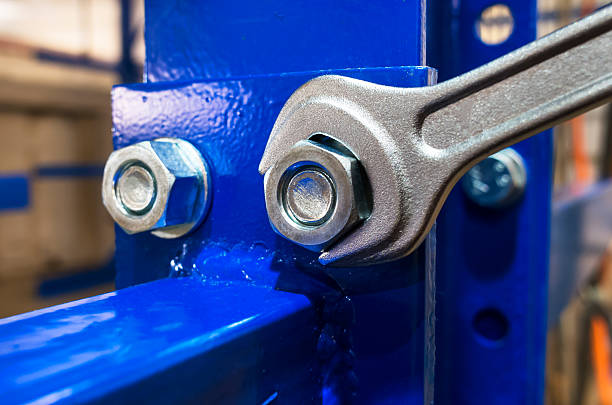
Improper bolt tightening practices are a recurring factor in Common Steel Erection Mistakes (and How to Avoid Them).
Structural bolts are designed to transfer loads through proper tensioning, and incorrect torque application can compromise connection performance.
Under-tightened bolts may loosen under vibration or dynamic loads, while over-tightened bolts can damage threads and reduce structural capacity.
Another frequent issue is ignoring the specified tightening sequence, which can cause uneven stress distribution across connection plates.
Site habits such as using uncalibrated torque wrenches or skipping final torque checks contribute significantly to connection failures.
To avoid these problems, contractors must follow manufacturer torque specifications, implement calibrated torque tools, and perform documented bolt inspection procedures.
Strict control of bolt installation practices is essential to prevent Common Steel Erection Mistakes (and How to Avoid Them) and ensure structural reliability.
Temporary Bracing Mistakes That Cause Instability
Temporary Bracing Mistakes That Cause Instability
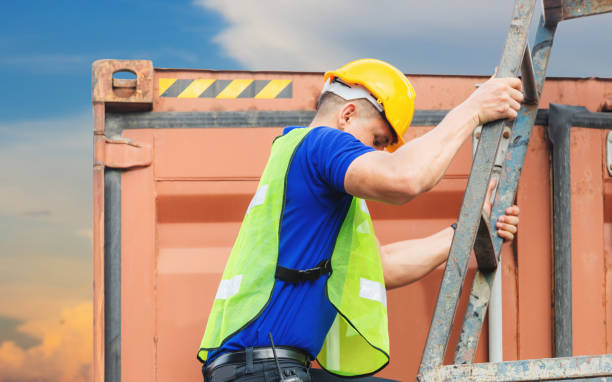
Temporary bracing is often underestimated during erection, yet it plays a critical role in preventing collapse.
Within Common Steel Erection Mistakes (and How to Avoid Them), insufficient or improperly installed temporary bracing is one of the most dangerous errors.
During early erection stages, the structure is highly vulnerable to lateral loads such as wind.
If temporary bracing is removed too early or improperly installed, partial structural collapse may occur.
Another common mistake is relying solely on permanent bracing before it is fully secured.
Erection sequencing must ensure stability at every stage.
A proper erection method statement should clearly define temporary bracing requirements, installation order, and inspection checkpoints.
Maintaining structural stability during erection is a fundamental element in eliminating Common Steel Erection Mistakes (and How to Avoid Them) and protecting worker safety.
Handover Mistakes: Missing Punch List and Documentation
Handover Mistakes: Missing Punch List and Documentation

The final phase of steel erection is often rushed, leading to documentation gaps.
In the context of Common Steel Erection Mistakes (and How to Avoid Them), incomplete handover procedures create long-term contractual and operational risks.
Missing bolt inspection records, incomplete torque logs, and undocumented alignment verification can create disputes during project closeout.
Failing to complete a proper punch list before handover leaves minor defects unresolved, potentially affecting client satisfaction.
As-built drawings, material certificates, and quality control reports should be compiled systematically before final acceptance.
A structured pre-handover inspection involving the contractor, consultant, and client ensures transparency and quality assurance.
Professional documentation management is the final safeguard against Common Steel Erection Mistakes (and How to Avoid Them).
Steel Erection Error Impact Statistics
| Mistake Category | Impact on Safety | Impact on Cost | Risk Severity |
| Foundation & Anchor Errors | Very High | High | Critical |
| Misalignment Issues | High | High | Major |
| Incorrect Bolt Tightening | Very High | Medium | Critical |
| Temporary Bracing Failure | Extremely High | High | Severe |
| Documentation Gaps | Medium | Medium | Moderate |
These statistics highlight why proactively addressing Common Steel Erection Mistakes (and How to Avoid Them) significantly improves project performance and safety outcomes.
Frequently Asked Questions (FAQ)
Q1: What is the most dangerous steel erection mistake?
Improper temporary bracing is among the most dangerous, as it can lead to structural instability or collapse.
Q2: How can anchor bolt errors be prevented?
By using templates, conducting pre-pour surveys, and verifying bolt positioning with precise measurement tools.
Q3: Why is bolt torque so important?
Proper torque ensures load transfer capacity and prevents connection failure under stress.
Q4: Should alignment checks be done only once?
No. Alignment should be verified continuously throughout erection stages.
Q5: What documents are required at handover?
Bolt inspection records, as-built drawings, material certificates, alignment reports, and punch list completion reports.
Conclusion
Understanding Common Steel Erection Mistakes (and How to Avoid Them) is essential for delivering safe, accurate, and high-quality steel structures.
From foundation preparation to bolt tightening and final documentation, every step plays a vital role in structural integrity.
Preventive planning, skilled supervision, and strict quality control procedures significantly reduce rework, delays, and safety risks.
By proactively addressing Common Steel Erection Mistakes (and How to Avoid Them), steel contractors can enhance operational efficiency, protect worker safety, and ensure long-term structural performance.
Related articles: