
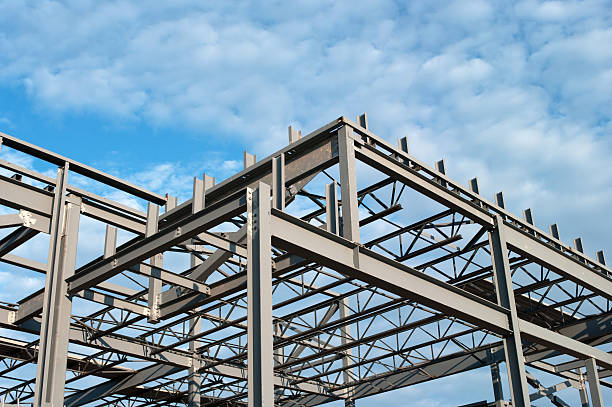
Corrosion Protection for Steel Structures: Paint Systems & Galvanizing
Steel structures are designed for strength, durability, and long service life — but without proper corrosion protection, even the strongest steel can deteriorate rapidly.
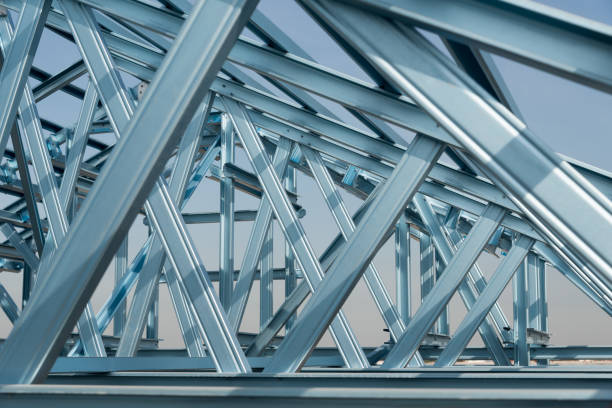
In this comprehensive guide to Corrosion Protection for Steel Structures: Paint Systems & Galvanizing, we explore the most effective protection methods used in industrial, commercial, and infrastructure projects.
Understanding Corrosion Protection for Steel Structures: Paint Systems & Galvanizing is essential for project owners, consultants, and contractors who want to maximize structural lifespan and minimize long-term maintenance costs. Environmental exposure, humidity levels, and industrial pollutants all play a significant role in steel degradation.
By implementing the right Corrosion Protection for Steel Structures: Paint Systems & Galvanizing strategy, companies can significantly reduce lifecycle costs, prevent structural weakening, and ensure compliance with international durability standards.
Why Corrosion Protection Matters (Coastal, Industrial, Humid Zones)
Why Corrosion Protection Matters (Coastal, Industrial, Humid Zones)
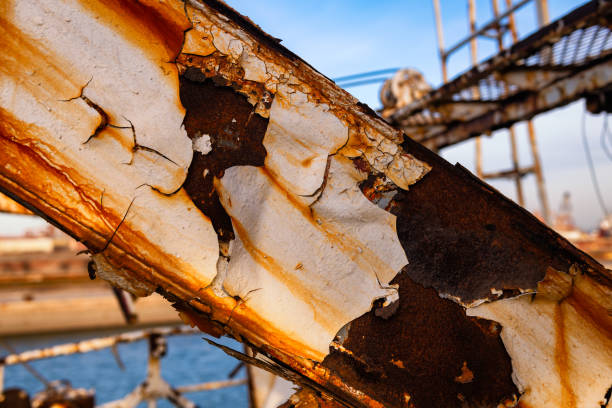
Environmental exposure is one of the biggest threats to structural steel.
Within the framework of Corrosion Protection for Steel Structures: Paint Systems & Galvanizing, it is critical to understand how different environments accelerate corrosion.
Coastal areas expose steel to salt-laden air, which dramatically increases oxidation rates. Industrial zones contain chemical pollutants, sulfur compounds, and acidic emissions that aggressively attack protective layers.
Humid climates maintain continuous moisture on steel surfaces, creating ideal conditions for rust formation.
Without proper corrosion protection, structural capacity can gradually decline, leading to safety risks and expensive rehabilitation work.
Even minor surface corrosion can compromise aesthetics and client perception in commercial projects.
Applying suitable coating systems or galvanizing solutions ensures long-term durability even in aggressive environments.
This is why Corrosion Protection for Steel Structures: Paint Systems & Galvanizing must be integrated into the design phase — not treated as an afterthought.
Paint Systems Explained: Primers, Epoxy, PU, and Topcoats
Paint Systems Explained: Primers, Epoxy, PU, and Topcoats
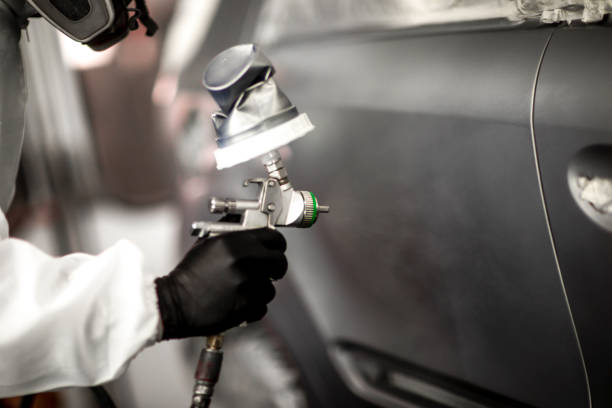
A well-designed paint system is one of the most flexible solutions in Corrosion Protection for Steel Structures: Paint Systems & Galvanizing.
Coating systems typically consist of multiple layers, each with a specific technical function.
The primer serves as the first protective barrier and ensures proper adhesion to the steel substrate.
Zinc-rich primers are commonly used for enhanced corrosion resistance.
Epoxy intermediate coats provide strong chemical resistance and mechanical durability.
They create a dense barrier against moisture penetration and industrial contaminants.
Polyurethane (PU) topcoats add UV resistance, color stability, and aesthetic finish.
They protect underlying epoxy layers from sunlight degradation.
The performance of a paint system depends on correct thickness application (measured in microns) and environmental classification.
Selecting the correct combination of primer, epoxy, and PU layers is fundamental to achieving effective Corrosion Protection for Steel Structures: Paint Systems & Galvanizing.
Hot-Dip Galvanizing: When It’s the Best Choice
Hot-Dip Galvanizing: When It’s the Best Choice
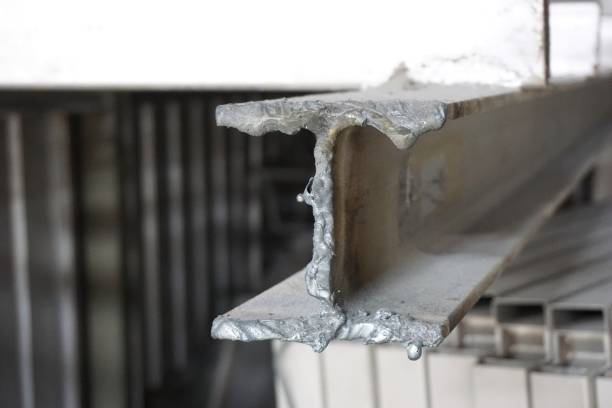
Hot-dip galvanizing is a highly durable solution within Corrosion Protection for Steel Structures: Paint Systems & Galvanizing.
This process involves immersing steel components into molten zinc, creating a metallurgical bond that protects against corrosion.
Galvanizing provides uniform protection even in hard-to-reach areas such as edges and internal sections.
Unlike paint systems, it does not rely solely on surface adhesion but forms a sacrificial zinc layer that corrodes before the steel does.
This method is particularly suitable for outdoor structures, transmission towers, bridges, and coastal applications.
It requires minimal maintenance and offers long-term protection without frequent repainting.
However, galvanizing may not be ideal for extremely large fabricated assemblies that exceed bath dimensions, or where aesthetic color customization is required.
Choosing galvanizing as part of Corrosion Protection for Steel Structures: Paint Systems & Galvanizing depends on environmental severity, maintenance strategy, and budget considerations.
Surface Preparation Standards (Blasting Grades and Cleanliness)
Surface Preparation Standards (Blasting Grades and Cleanliness)
Surface preparation is the foundation of successful Corrosion Protection for Steel Structures: Paint Systems & Galvanizing.
No coating system can perform effectively if applied on contaminated or poorly prepared surfaces.
Abrasive blasting is commonly used to remove mill scale, rust, and contaminants. Blasting grades such as Sa 2, Sa 2.5, and Sa 3 define the level of cleanliness achieved.
Sa 2.5 (near-white metal blast) is typically recommended for high-performance coating systems.
Surface roughness (anchor profile) must also meet specified standards to ensure coating adhesion.
Insufficient profile reduces bonding strength, while excessive roughness can cause premature coating failure.
Dust contamination and moisture must be removed before painting begins.
Environmental conditions such as humidity and steel temperature must be monitored during application.
Strict adherence to surface preparation standards significantly enhances the effectiveness of Corrosion Protection for Steel Structures: Paint Systems & Galvanizing.
How to Specify and Inspect Coating Quality On-Site
How to Specify and Inspect Coating Quality On-Site

Proper specification and inspection are critical elements of Corrosion Protection for Steel Structures: Paint Systems & Galvanizing.
The coating specification should clearly define system type, total dry film thickness (DFT), number of coats, and environmental classification.
On-site inspection includes measuring surface cleanliness before application and verifying coating thickness after each layer using calibrated DFT gauges.
Holiday testing may also be required for high-performance systems.
Environmental conditions during application must be recorded, including ambient temperature, relative humidity, and dew point.
Poor environmental control can cause blistering or adhesion failure.
Inspection reports should be documented systematically and signed by quality control engineers.
A structured inspection process ensures that Corrosion Protection for Steel Structures: Paint Systems & Galvanizing delivers the intended long-term durability performance.
Corrosion Protection Performance Comparison
| Protection Method | Expected Lifespan | Maintenance Frequency | Initial Cost | Best For |
| Paint System (Epoxy + PU) | 10–20 Years | Medium | Moderate | Industrial & Commercial Buildings |
| Zinc-Rich Primer System | 15–25 Years | Low-Medium | Moderate | High-Corrosion Zones |
| Hot-Dip Galvanizing | 25–50+ Years | Very Low | Higher Initial | Coastal & Outdoor Structures |
| Duplex System (Galv + Paint) | 40–60 Years | Very Low | Higher | Extreme Environments |
These comparisons highlight how selecting the right method within Corrosion Protection for Steel Structures: Paint Systems & Galvanizing significantly impacts lifecycle performance.
Frequently Asked Questions (FAQ)
Q1: Which method lasts longer — paint or galvanizing?
Hot-dip galvanizing generally provides longer maintenance-free protection, especially in coastal environments.
Q2: Can paint be applied over galvanized steel?
Yes. This is known as a duplex system and provides enhanced durability.
Q3: Why is surface preparation so important?
Because coating adhesion and performance depend entirely on surface cleanliness and profile.
Q4: How is coating thickness verified?
Using calibrated dry film thickness (DFT) gauges during inspection.
Q5: Is galvanizing more expensive?
It may have a higher upfront cost, but lower maintenance often reduces lifecycle expenses.
Conclusion
Effective Corrosion Protection for Steel Structures: Paint Systems & Galvanizing is essential for ensuring long-term durability, structural safety, and cost efficiency.
Environmental conditions must guide the selection between advanced paint systems, hot-dip galvanizing, or duplex solutions.
By combining proper surface preparation, high-performance coating systems, and rigorous quality inspection, project owners can significantly extend the service life of steel structures.
Investing in the right Corrosion Protection for Steel Structures: Paint Systems & Galvanizing strategy not only protects assets but also strengthens reputation, reliability, and long-term operational performance.
Related articles: