

Crane Plan Basics for Steel Structure Erection
Steel structure erection is one of the most sensitive and high-risk phases in any construction project.

A professionally prepared crane plan ensures safety, efficiency, and cost control during lifting operations.
In this comprehensive guide to Crane Plan Basics for Steel Structure Erection, we explain why crane planning is essential, how to select the correct crane, how to define lift sequences, and how to avoid costly mistakes.
Understanding Crane Plan Basics for Steel Structure Erection is not just a safety requirement — it is a strategic decision that directly impacts project timelines, insurance compliance, and structural integrity.
A detailed crane plan minimizes risks, prevents downtime, and enhances site productivity.
For contractors, project managers, and steel erection specialists, mastering Crane Plan Basics for Steel Structure Erection ensures safe installation while maintaining full compliance with engineering and safety standards.
Why a Crane Plan Is Critical for Safe Installation
Why a Crane Plan Is Critical for Safe Installation

A crane plan is the backbone of safe steel structure erection.
Without a documented lifting strategy, projects face serious risks including structural damage, equipment failure, and worker injury.
A proper crane plan defines load weights, lift radii, crane positioning, ground bearing pressure, and safety clearances.
It ensures that every lift is calculated and controlled. In large steel projects, even minor miscalculations can result in severe accidents or costly delays.
Crane planning also helps coordinate between structural engineers, rigging teams, and site supervisors.
It improves communication and reduces uncertainty during critical lifts such as main rafters, heavy columns, and trusses.
From a compliance standpoint, insurance companies and safety authorities often require a formal crane plan before approving erection works.
This is why Crane Plan Basics for Steel Structure Erection should be considered a mandatory engineering document — not just a procedural formality.
Selecting the Right Crane: Capacity, Radius, and Ground Conditions
Selecting the Right Crane: Capacity, Radius, and Ground Conditions
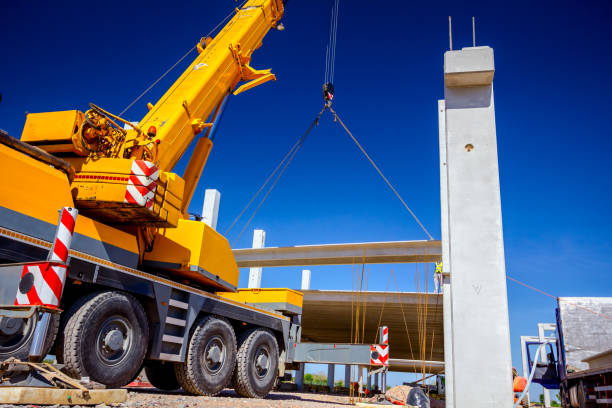
Selecting the correct crane is one of the most technical aspects of Crane Plan Basics for Steel Structure Erection.
Capacity alone is not enough; engineers must evaluate load radius, boom length, and lift configuration.
Crane capacity decreases significantly as the lifting radius increases. Therefore, lifting a 10-ton rafter at 8 meters is completely different from lifting it at 20 meters.
Detailed load charts must always be reviewed before final crane selection.
Ground conditions are equally critical. Soil bearing capacity must be verified to prevent crane instability or tipping.
In weak soil areas, steel plates or crane mats may be required to distribute loads safely.
Weather conditions, especially wind speed, must also be considered when selecting crane type and boom configuration.
Choosing the right equipment ensures that Crane Plan Basics for Steel Structure Erection translate into safe and efficient lifting operations.
Lift Sequence: Planning the Erection in Safe Stages
Lift Sequence: Planning the Erection in Safe Stages
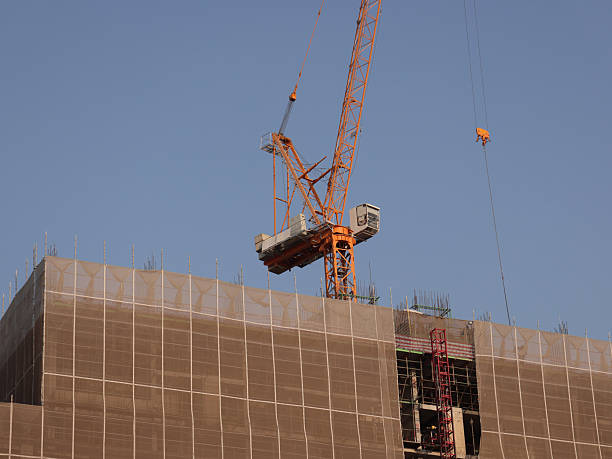
Defining a logical lift sequence is a fundamental component of Crane Plan Basics for Steel Structure Erection.
Steel structures must be erected in stages that maintain stability at every step.
Typically, column installation is followed by temporary bracing before lifting rafters. Purlins and secondary members are then installed to stabilize the frame.
Skipping bracing steps can cause structural instability during erection.
A detailed lift sequence reduces crane idle time and prevents unnecessary repositioning.
It also ensures that temporary supports are installed before moving to the next stage.
Sequencing planning must consider site access, material storage zones, and crane swing areas to prevent conflicts with other site activities.
Proper staging ensures that Crane Plan Basics for Steel Structure Erection are implemented safely without compromising structural integrity.
Rigging & Lifting Accessories: Slings, Shackles, and Spreader Beams
Rigging & Lifting Accessories: Slings, Shackles, and Spreader Beams
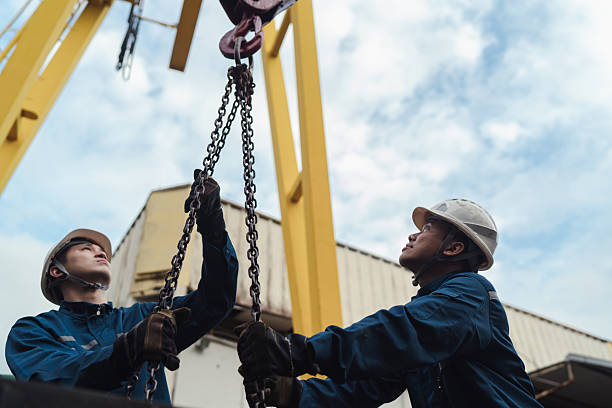
Rigging equipment plays a critical role in lifting safety.
Within Crane Plan Basics for Steel Structure Erection, proper selection of slings and accessories is as important as crane selection itself.
Wire rope slings, synthetic slings, and chain slings must be selected based on load weight and lifting angles.
Improper sling angles can dramatically increase tension forces, leading to failure.
Shackles must have certified load ratings and should be inspected before every lift.
Spreader beams are often used to distribute loads evenly and prevent bending stress on long rafters or trusses.
All rigging components must comply with international safety standards and undergo regular inspection.
Failure in rigging accessories is one of the leading causes of lifting accidents, which makes this section vital in Crane Plan Basics for Steel Structure Erection.
Common Crane Plan Mistakes (and How to Avoid Them)
Common Crane Plan Mistakes (and How to Avoid Them)

Several recurring mistakes can compromise lifting safety.
A key objective of understanding Crane Plan Basics for Steel Structure Erection is preventing these issues.
One common error is underestimating load weight by excluding connection plates or accessories. Another mistake is ignoring dynamic loads caused by sudden movements or wind gusts.
Incorrect crane positioning can result in excessive lift radius, reducing actual lifting capacity below safe limits.
Poor communication between the crane operator and rigging team also increases risk.
Neglecting soil testing before crane setup may cause ground settlement or tipping incidents.
Avoiding these mistakes requires professional engineering calculations, site inspections, and clear lifting procedures aligned with Crane Plan Basics for Steel Structure Erection.
Crane Operation Performance Statistics in Steel Projects
| Factor | Impact on Safety | Impact on Cost | Risk Level if Ignored |
| Proper Crane Selection | High | High | Severe |
| Accurate Load Calculation | Very High | High | Critical |
| Soil Bearing Verification | Very High | High | Critical |
| Rigging Inspection | High | Medium | Severe |
| Defined Lift Sequence | High | High | Major |
These statistics highlight how implementing Crane Plan Basics for Steel Structure Erection significantly reduces accident probability and project delays.
Frequently Asked Questions (FAQ)
Q1: Is a crane plan required for small steel buildings?
Yes. Even small projects require lifting calculations to ensure safe operations and compliance.
Q2: Who prepares the crane plan?
Typically, a qualified lifting engineer in coordination with the crane supplier and project engineer.
Q3: How do wind conditions affect crane operations?
High wind speeds increase load instability and may require lifting suspension or reduced boom length.
Q4: What is the biggest cause of crane accidents in steel erection?
Improper load calculation and poor ground preparation are among the top causes.
Q5: Can one crane handle the entire erection process?
It depends on project size and weight distribution; sometimes multiple crane configurations are required.
Conclusion
Mastering Crane Plan Basics for Steel Structure Erection is essential for delivering safe, efficient, and cost-controlled steel projects. From crane selection and soil analysis to lift sequencing and rigging inspection, every detail matters.
A professionally engineered crane plan reduces risk, protects workers, and ensures smooth structural installation.
It enhances coordination between teams and minimizes costly delays.
By implementing the principles outlined in Crane Plan Basics for Steel Structure Erection, construction companies can improve safety performance, increase productivity, and strengthen their reputation in the steel construction industry.
Related articles: