
Crane Plan Turnkey Steel Buildings: What Does Turnkey Mean and When Is It the Best Option?
In modern steel construction and industrial building projects, the Turnkey model has become one of the most preferred delivery methods among investors and developers.
In this comprehensive guide to Crane Plan Turnkey Steel Buildings: What Does Turnkey Mean and When Is It the Best Option?
, we explain the full concept, compare it with split contracts, and clarify what is included in a turnkey scope — from engineering to final handover.
Understanding Crane Plan Turnkey Steel Buildings: What Does Turnkey Mean and When Is It the Best Option?
allows project owners to reduce risk, improve schedule control, and ensure consistent quality throughout the entire lifecycle of the steel building project.
Turnkey is not just about construction — it is about complete project responsibility under one entity.
For industrial investors, warehouse developers, and EPC clients, mastering Crane Plan Turnkey Steel Buildings: What Does Turnkey Mean and When Is It the Best Option?
helps in making informed contractual decisions that protect capital investment and ensure operational readiness.
What “Turnkey” Means in Steel Building Projects
What “Turnkey” Means in Steel Building Projects
In steel structure projects, the term “Turnkey” means that the client receives the project fully completed and ready for operation — simply “turn the key and start operating.” Within the framework of Crane Plan Turnkey Steel Buildings: What Does Turnkey Mean and When Is It the Best Option?
the main contractor assumes full responsibility for engineering design, fabrication, supply, erection, crane planning, and final handover.
Instead of coordinating with multiple contractors, suppliers, and consultants, the client works with a single accountable entity.
This eliminates responsibility gaps and reduces coordination conflicts.
Turnkey delivery also provides contractual clarity.
Any delays, design conflicts, or coordination failures fall under the main contractor’s responsibility, minimizing legal exposure for the project owner.
This integrated structure makes Turnkey particularly attractive for industrial and logistics facilities that demand strict timeline control and high technical coordination.
For this reason, understanding Crane Plan Turnkey Steel Buildings: What Does Turnkey Mean and When Is It the Best Option? is essential before selecting a project delivery model.
Turnkey vs Split Contracts: Pros and Cons for Clients
Turnkey vs Split Contracts: Pros and Cons for Clients
When comparing Turnkey delivery with split contracts, significant differences emerge in terms of risk allocation and management efficiency.
In the context of Crane Plan Turnkey Steel Buildings: What Does Turnkey Mean and When Is It the Best Option?, it is important to evaluate both models strategically.
Under split contracts, the owner hires separate entities for design, fabrication, and erection. While this may provide cost flexibility, it increases coordination responsibility and the risk of disputes between contractors.
Turnkey delivery offers a single point of contact, unified scheduling, and consolidated accountability.
Although the initial quotation may sometimes appear higher, reduced rework, fewer disputes, and minimized delays often result in lower total project cost.
The potential downside of Turnkey is dependency on one contractor — which makes contractor selection critical.
Choosing between the two depends on project complexity, internal management capacity, and risk tolerance.
What’s Included: Design, Fabrication, Supply, Installation, and Handover
What’s Included: Design, Fabrication, Supply, Installation, and Handover
A key element in Crane Plan Turnkey Steel Buildings: What Does Turnkey Mean and When Is It the Best Option? is understanding the full scope of work included in a turnkey contract.
Typically, it covers:
- Structural engineering design and analysis
- Shop drawings and detailing
- Steel fabrication under quality-controlled factory conditions
- Supply and logistics coordination
- Crane plan preparation and safe erection execution
- Inspection, testing, and final commissioning
This integration ensures alignment between engineering intent and site execution.
It also allows cost optimization through early coordination between design and fabrication teams.
Final handover normally includes material certificates, inspection reports, as-built drawings, and warranty documentation.
Such comprehensive scope control is one of the strongest advantages of the Turnkey model in industrial steel building projects.
Timeline Control and Risk Reduction (Who Owns What?)
Timeline Control and Risk Reduction (Who Owns What?)
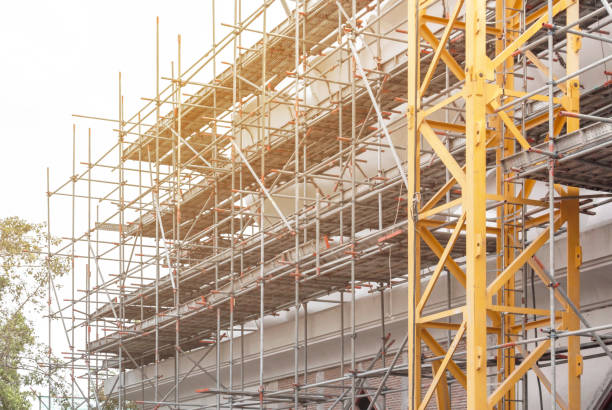
Schedule management is one of the most challenging aspects of any construction project.
Within Crane Plan Turnkey Steel Buildings: What Does Turnkey Mean and When Is It the Best Option?
the main contractor assumes full responsibility for coordinating all phases to meet the agreed delivery timeline.
In split contracts, delays caused by one party often result in disputes regarding liability.
This fragmentation increases legal complexity and slows decision-making.
Under a Turnkey structure, accountability is centralized.
If coordination issues arise internally between design, fabrication, or erection teams, the contractor resolves them without transferring risk to the owner.
This significantly reduces contractual disputes and financial claims.
It also simplifies change management processes during execution.
For projects requiring strict deadline adherence, the Turnkey model provides stronger schedule certainty and risk control.
How to Choose a Turnkey Partner: Due Diligence Checklist
How to Choose a Turnkey Partner: Due Diligence Checklist

Selecting the right Turnkey partner is a strategic decision. Within the framework of Crane Plan Turnkey Steel Buildings: What Does Turnkey Mean and When Is It the Best Option?
proper due diligence is essential.
Review the contractor’s portfolio of completed steel structure projects. Verify quality certifications and compliance with international standards.
Ensure the company has an in-house engineering team rather than relying entirely on subcontracted design services.
Evaluate financial stability to ensure project continuity.
Confirm experience in crane planning, lifting operations, and site safety management.
Request a detailed project schedule, risk management plan, and clear communication structure.
A thorough evaluation process significantly increases the success probability of a Turnkey steel building project.
Turnkey Project Performance Statistics
| Performance Factor | Turnkey Model | Split Contracts |
| Responsibility Clarity | Very High | Low |
| Risk of Delay | Low | High |
| Coordination Efficiency | High | Medium |
| Legal Disputes | Low | High |
| Budget Predictability | High | Medium |
These indicators demonstrate how Crane Plan Turnkey Steel Buildings: What Does Turnkey Mean and When Is It the Best Option?
can enhance operational efficiency and reduce overall project risk.
Frequently Asked Questions (FAQ)
Q1: Is Turnkey delivery more expensive?
Not necessarily. While the initial contract value may seem higher, reduced delays and fewer claims often lower the total lifecycle cost.
Q2: Who manages crane operations in a Turnkey project?
The Turnkey contractor is responsible for crane planning, lifting strategy, and safe execution.
Q3: Can design modifications be made during execution?
Yes, through a structured change management process defined in the contract.
Q4: Is Turnkey suitable for small-scale projects?
It is most beneficial for medium to large industrial projects requiring high coordination.
Q5: How can I verify contractor capability?
By reviewing project references, certifications, internal engineering capacity, and financial standing.
Conclusion
Understanding Crane Plan Turnkey Steel Buildings: What Does Turnkey Mean and When Is It the Best Option?
empowers project owners to select a delivery model that minimizes risk and maximizes efficiency.
Turnkey delivery offers centralized accountability, improved schedule control, and seamless integration between design, fabrication, and erection phases.
It reduces contractual disputes and enhances overall project quality.
When executed with the right partner, Crane Plan Turnkey Steel Buildings: What Does Turnkey Mean and When Is It the Best Option?
becomes a strategic solution for delivering industrial steel buildings on time, within budget, and ready for operation.
Related articles: