

How to Estimate Steel Weight (Tonnes) for a Building — Practical Guide
Estimating steel weight accurately is one of the most critical steps in planning and executing any steel building project.

From budgeting to procurement and structural design, knowing how much steel your building requires saves time, reduces waste, and prevents cost overruns.
In this comprehensive article, we explore How to Estimate Steel Weight (Tonnes) for a Building — Practical Guide, providing practical methods, key drivers, common mistakes, and rules of thumb to ensure precision in your calculations.
Why Steel Tonnage Matters for Budget and Planning
Understanding steel tonnage is more than a technical exercise—it directly impacts the financial and logistical success of a project.

How to Estimate Steel Weight (Tonnes) for a Building — Practical Guide highlights the importance of:
- Budget Accuracy: Steel typically represents a significant portion of material costs. Miscalculating tonnage can lead to overspending or delays due to shortages.
- Material Procurement: Accurate tonnage allows contractors to order the right amount of steel, minimizing lead time and storage challenges.
- Structural Integrity: Proper weight estimation ensures the steel framework can safely support anticipated loads without overdesigning or underestimating members.
- Project Scheduling: Knowing the exact tonnage helps plan delivery sequences and crane operations efficiently, avoiding site congestion.
- Sustainability: Optimizing steel usage reduces waste and contributes to eco-friendly construction practices.
Accurate steel weight estimation ensures a project runs smoothly, efficiently, and within budget.
Quick Estimation Methods (Early-Stage vs Detailed)
Estimating steel weight can be done at various stages of the project.

How to Estimate Steel Weight (Tonnes) for a Building — Practical Guide outlines practical approaches:
- Early-Stage Estimation: Uses simplified rules of thumb based on building type, span, height, and area. Ideal for initial budgeting and feasibility studies.
- Detailed Estimation: Uses precise structural drawings and software to calculate member sizes, connection details, and total tonnage. Crucial for procurement and final cost planning.
- Comparison Approach: Comparing your project to similar buildings with known tonnage provides a quick sanity check and validation of assumptions.
- Software-Assisted Estimation: Modern engineering tools allow automated calculation based on load inputs, member sections, and building codes, increasing accuracy.
Using both early-stage and detailed methods ensures that your estimates are reliable throughout the project lifecycle.
What Drives Tonnage: Span, Height, Loads, and Stability System
Several factors influence steel tonnage, and understanding them is essential.

How to Estimate Steel Weight (Tonnes) for a Building — Practical Guide emphasizes:
- Span: Longer spans require heavier beams or additional purlins and girders, increasing tonnage.
- Height: Taller structures need stronger columns and bracing systems, which contribute to overall steel weight.
- Loads: Dead loads, live loads, wind, and snow directly affect member sizes. Higher loads increase tonnage requirements.
- Stability Systems: Rigid frames, portal frames, and braced frames vary in steel intensity, influencing total weight.
- Connection Types: Bolted and welded connections may add minor additional steel but influence fabrication complexity and total project cost.
By analyzing these drivers, engineers can predict steel requirements more accurately and avoid surprises during construction.
Typical Tonnage Ranges for Warehouses and Factories (Rules of Thumb)
To guide early-stage estimation, here’s a practical reference table.
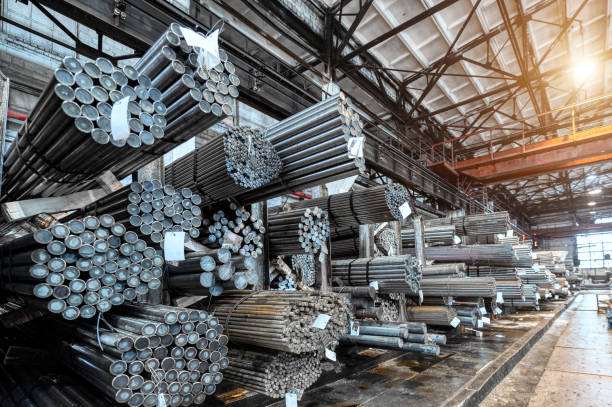
How to Estimate Steel Weight (Tonnes) for a Building — Practical Guide provides these typical ranges:
| Building Type | Span (m) | Height (m) | Steel Weight (Tonnes) per 1000 m² |
| Small Warehouse | 10–15 | 4–6 | 12–18 |
| Medium Warehouse | 15–25 | 6–10 | 18–25 |
| Large Factory | 25–35 | 10–15 | 30–45 |
| Heavy Industrial | 30–50 | 12–20 | 45–70 |
These ranges are general rules of thumb. Detailed calculations may adjust tonnage based on local building codes, load factors, and structural systems.
Mistakes in Weight Estimation and How to Prevent Them
Errors in estimating steel weight can have serious consequences.

How to Estimate Steel Weight (Tonnes) for a Building — Practical Guide identifies common mistakes:
- Ignoring Load Combinations: Only considering dead loads without live or wind loads leads to underestimation.
- Overlooking Connections and Bracing: Excluding secondary members, bolts, or braces results in inaccurate total weight.
- Relying on Outdated Rules of Thumb: Previous standards may not reflect modern material strengths or construction methods.
- Incorrect Member Sizing: Using undersized or oversized sections can affect structural integrity and cost.
- Neglecting Project Specifics: Variations in height, span, or function require project-specific calculations rather than generic estimates.
Prevent these mistakes by combining early-stage estimations with detailed structural analysis, software-assisted checks, and historical data from similar projects.
Frequently Asked Questions (FAQ)
Q1: How accurate are early-stage tonnage estimates?
A1: Early-stage estimates provide a general range, typically within ±15–20% of actual steel weight. They are suitable for budgeting but should be refined during detailed design.
Q2: Can software fully replace manual estimation?
A2: Software improves accuracy and speed but still requires engineering judgment to validate assumptions and adjust for unique project requirements.
Q3: How do material substitutions affect steel tonnage?
A3: Using higher-strength steel can reduce the quantity of steel required, whereas lower-strength materials may require heavier sections, increasing tonnage.
Q4: Should bracing and secondary members be included in tonnage calculations?
A4: Absolutely. Ignoring these components can lead to underestimation and structural inefficiencies.
Q5: How often should tonnage be verified during a project?
A5: At least at three stages: early-stage feasibility, detailed design, and pre-fabrication approval to ensure alignment with procurement and budget.
Conclusion
Estimating steel accurately is essential for a successful construction project.
By following How to Estimate Steel Weight (Tonnes) for a Building — Practical Guide, engineers, contractors, and project managers can confidently plan budgets, procure materials efficiently, and ensure structural safety.
Understanding what drives tonnage—span, height, loads, and stability systems—alongside practical rules of thumb and detailed calculations, prevents costly mistakes and keeps projects on schedule.
Integrating checklists, verification methods, and modern estimation tools into your workflow not only boosts accuracy but also optimizes resource usage and strengthens overall project management.
Prioritizing precise steel weight estimation ensures your building stands strong, safely, and within budget for decades to come.
Related articles: