

Quality Control in Steel Fabrication: Inspection Points You Should Know
Quality control in steel fabrication is not just a technical requirement—it is a strategic investment in structural safety, client trust, and long-term project performance.
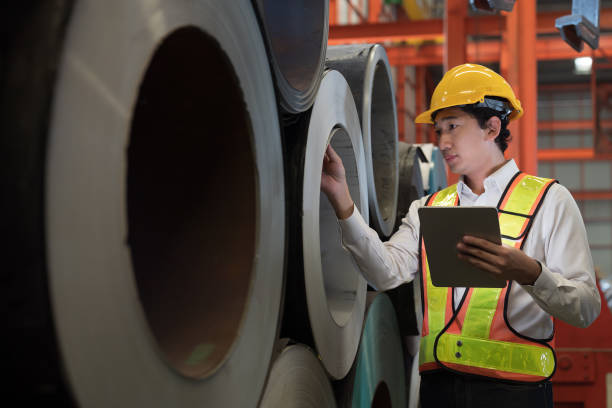
In modern industrial construction, a single overlooked inspection point can lead to costly rework, delays, or even structural risks.
That’s why understanding How to Quality Control in Steel Fabrication: Inspection Points You Should Know is essential for fabricators, contractors, project managers, and clients alike.
From raw material verification to final documentation packages, implementing a systematic quality control approach ensures compliance with international standards, enhances brand reputation, and reduces financial risk.
This practical guide explains How to Quality Control in Steel Fabrication: Inspection Points You Should Know, covering every critical inspection stage that directly impacts steel integrity and project success.
Material Traceability: Mill Certificates and Heat Numbers
Material Traceability: Mill Certificates and Heat Numbers
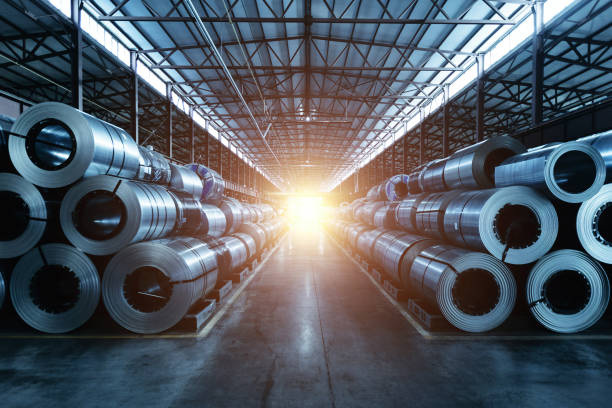
One of the first and most critical stages in How to Quality Control in Steel Fabrication: Inspection Points You Should Know is ensuring complete material traceability.
Steel used in fabrication must be traceable back to its origin through mill certificates and heat numbers.
These documents confirm chemical composition, mechanical properties, yield strength, tensile strength, and compliance with applicable standards.
Without proper traceability, there is no guarantee that the steel delivered matches the project specifications.
Quality control teams must verify that each steel batch corresponds with the purchase order and structural requirements.
Heat numbers should be clearly marked on materials and tracked throughout fabrication to prevent material mixing.
Traceability protects the project against substandard materials, ensures compliance during audits, and provides documented proof for clients and consultants.
In large industrial or export projects, lack of proper traceability can lead to rejection of entire shipments.
That is why material verification is the foundation of How to Quality Control in Steel Fabrication: Inspection Points You Should Know.
Cutting, Drilling, and Fit-Up: Dimensional Checks That Matter
Cutting, Drilling, and Fit-Up: Dimensional Checks That Matter
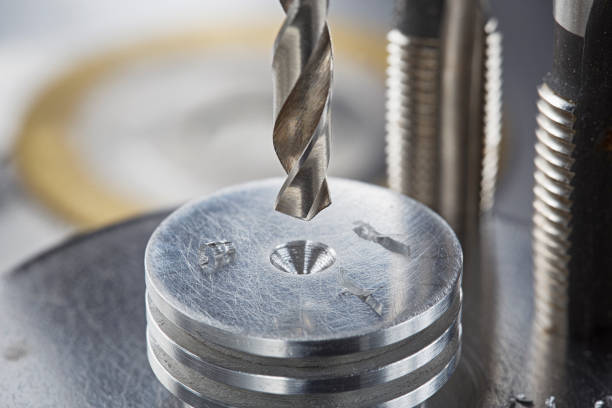
Dimensional accuracy is at the heart of structural performance.
In How to Quality Control in Steel Fabrication: Inspection Points You Should Know, inspection during cutting, drilling, and fit-up ensures that fabricated components align perfectly during site erection.
Even minor deviations in length, hole position, or alignment can cause serious installation challenges.
Quality inspectors must verify beam lengths, flange squareness, hole diameters, and bolt spacing against approved shop drawings.
CNC machines reduce error, but manual verification remains essential.
Fit-up inspections before welding confirm proper joint gaps, edge preparation, and alignment tolerances.
Dimensional inaccuracies often lead to costly rework on-site, crane delays, and compromised structural alignment.
Implementing strict dimensional checks ensures smooth assembly and maintains structural integrity.
This stage directly influences fabrication efficiency and overall project success.
Welding Quality: WPS, Welder Qualifications, and Visual Inspection
Welding Quality: WPS, Welder Qualifications, and Visual Inspection

Welding is one of the most critical aspects of How to Quality Control in Steel Fabrication: Inspection Points You Should Know.
Poor welding practices can compromise load-bearing capacity and long-term durability.
Therefore, every welding operation must follow an approved Welding Procedure Specification (WPS).
The WPS defines parameters such as electrode type, current, voltage, travel speed, and preheat temperature.
Welders must be properly qualified and certified according to recognized standards. Regular performance testing ensures consistent workmanship.
Visual inspection is the first line of quality control, checking for cracks, porosity, undercutting, lack of fusion, and incomplete penetration.
In high-spec projects, additional non-destructive testing (NDT) such as ultrasonic or magnetic particle testing may be required.
Maintaining strict welding control reduces failure risks and ensures structural reliability.
Coating/Protection QA: Surface Prep, DFT, and Adhesion
Coating/Protection QA: Surface Prep, DFT, and Adhesion

Corrosion protection is essential for steel longevity. Within How to Quality Control in Steel Fabrication: Inspection Points You Should Know, coating quality assurance plays a vital role in extending structural lifespan.
Surface preparation must meet specified standards before painting or galvanizing.
Proper blasting removes rust, oil, and contaminants, ensuring coating adhesion.
Inspectors verify surface cleanliness and roughness profiles before applying primer or protective systems.
Dry Film Thickness (DFT) measurements confirm that coatings meet required thickness levels for durability.
Insufficient thickness leads to premature corrosion, while excessive coating may cause cracking or peeling. Adhesion tests further validate coating performance.
A structured coating QA process prevents long-term maintenance issues and protects the investment value of the structure.
Final Inspection & Documentation Package for Clients
Final Inspection & Documentation Package for Clients The final stage of How to Quality Control in Steel Fabrication: Inspection Points You Should Know involves comprehensive inspection and documentation before delivery.

This step ensures that every fabricated component complies with drawings, specifications, and quality standards.
Final inspection typically includes dimensional rechecks, welding review, coating verification, and marking confirmation.
After inspection approval, a complete documentation package should be prepared for the client.
This package often includes:
- Mill certificates
- Welding qualification records
- Inspection reports
- NDT results (if applicable)
- Coating inspection logs
- As-built drawings
Providing a transparent documentation package strengthens client confidence and enhances professional credibility.
Quality Control Statistics in Steel Fabrication
| Quality Control Stage | Common Defect Rate Without QC | Defect Rate With Structured QC |
| Material Verification | 5–8% | <1% |
| Dimensional Accuracy | 10–15% | 2–3% |
| Welding Defects | 12–18% | 3–5% |
| Coating Failures | 8–12% | 1–2% |
These statistics demonstrate why implementing How to Quality Control in Steel Fabrication: Inspection Points You Should Know significantly reduces rework, project delays, and cost overruns.
Frequently Asked Questions (FAQ)
Q1: Why is material traceability so important in steel fabrication?
Because it guarantees compliance with structural specifications and prevents the use of substandard steel.
Q2: How often should welding inspections be performed?
Welding inspections should occur before, during, and after welding operations to ensure compliance with WPS requirements.
Q3: What happens if dimensional errors are found late?
Late detection may require re-fabrication, causing delays and increased project costs.
Q4: Is coating inspection necessary for indoor structures?
Yes, even indoor structures require protection to prevent corrosion due to humidity or environmental exposure.
Q5: What documents should clients receive after fabrication?
Clients should receive mill certificates, inspection reports, welding records, and coating QA documentation.
Conclusion
Implementing How to Quality Control in Steel Fabrication: Inspection Points You Should Know is not optional—it is fundamental to delivering safe, reliable, and high-performance steel structures.
From material traceability to final documentation, every inspection stage contributes to structural integrity and client satisfaction.
A systematic quality control strategy minimizes risk, reduces rework, enhances efficiency, and builds long-term trust with stakeholders.
In competitive industrial markets, companies that prioritize structured quality assurance stand out as reliable partners capable of delivering precision and excellence.
By mastering How to Quality Control in Steel Fabrication: Inspection Points You Should Know, fabrication teams elevate both technical performance and business reputation—ensuring that every steel structure delivered meets the highest standards of quality and durability.
Related articles:
How to Estimate Steel Weight (Tonnes) for a Building — Practical Guide