
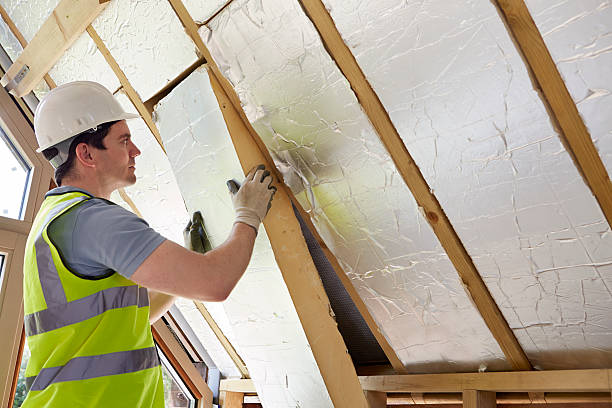
Sandwich Panels for PEB: Types + Thickness + Installation
Pre-Engineered Buildings (PEB) have transformed modern industrial construction thanks to speed, efficiency, and cost control.

One of the most critical elements in PEB envelopes is sandwich panels.
Choosing the correct type, thickness, and installation method directly affects thermal performance, durability, and long-term maintenance costs.
In this comprehensive guide to Sandwich Panels for PEB: Types + Thickness + Installation, we explain panel types, insulation selection, correct installation details, common mistakes, and site acceptance checks. Understanding Sandwich Panels for PEB: Types + Thickness + Installation is essential for engineers, contractors, consultants, and clients who aim to deliver high-performance steel buildings with optimal energy efficiency.
Types of Sandwich Panels (PU / PIR / Rockwool) and When to Use Each
Types of Sandwich Panels (PU / PIR / Rockwool) and When to Use Each
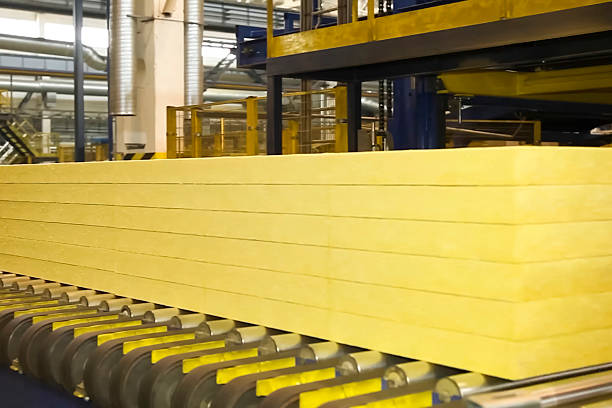
Selecting the right insulation core is the foundation of Sandwich Panels for PEB: Types + Thickness + Installation.
Each core type offers unique advantages depending on project requirements, fire rating, and budget constraints.
PU (Polyurethane) panels provide excellent thermal insulation and lightweight performance. They are widely used in warehouses, cold storage facilities, and industrial buildings where energy efficiency is a priority.
PU panels offer strong insulation performance with relatively lower thickness.
PIR (Polyisocyanurate) panels are an advanced version of PU, offering improved fire resistance and better thermal stability.
PIR panels are recommended in projects requiring higher fire performance standards.
Rockwool panels provide superior fire resistance and acoustic insulation.
They are commonly used in factories, workshops, and buildings requiring enhanced fire protection. However, they are heavier than PU or PIR.
Understanding these differences is a key element of Sandwich Panels for PEB: Types + Thickness + Installation, ensuring the building meets both safety and performance goals.
Choosing Thickness Based on Thermal, Acoustic, and Usage Requirements
Choosing Thickness Based on Thermal, Acoustic, and Usage Requirements

Thickness selection is a critical technical decision within Sandwich Panels for PEB: Types + Thickness + Installation.
The correct thickness depends on climate conditions, building usage, and energy efficiency targets.
For moderate climates, wall panels between 40mm–60mm may be sufficient for warehouses.
In colder regions or temperature-controlled facilities, thicknesses of 80mm–120mm may be required to achieve proper thermal resistance.
For cold storage buildings, thicker panels significantly reduce energy consumption and operational costs over time.
Acoustic requirements also influence thickness, particularly in industrial zones where noise reduction is necessary.
Over-specifying thickness increases cost unnecessarily, while under-specifying leads to condensation, thermal bridging, and higher HVAC expenses.
Therefore, engineering calculations and climate analysis should always guide the decision.
Optimizing thickness is one of the most important aspects of Sandwich Panels for PEB: Types + Thickness + Installation to balance cost and performance.
Correct Installation Details: Joints, Screws, and Edge Protection
Correct Installation Details: Joints, Screws, and Edge Protection
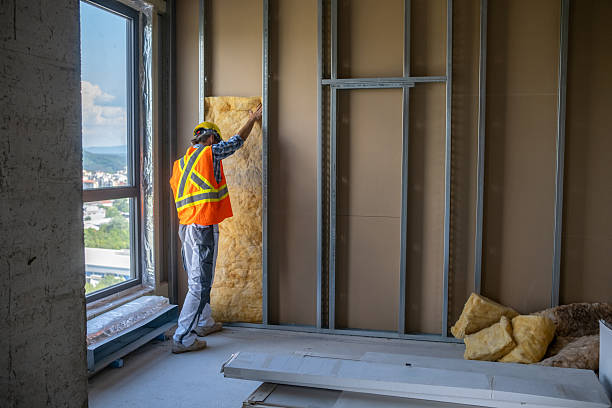
Even the highest-quality panel will fail if improperly installed. Proper installation is a core principle of Sandwich Panels for PEB: Types + Thickness + Installation.
Panel joints must be tightly sealed to prevent water infiltration and air leakage. Using proper gaskets and sealants ensures long-term weather resistance.
Screws must be corrosion-resistant and installed with the correct torque to avoid panel deformation.
Fasteners should include EPDM washers to prevent leakage around screw points.
Improper fastening can create micro-gaps that allow moisture penetration.
Edge protection is equally important.
Exposed edges must be sealed to prevent moisture absorption, especially for PU and PIR panels. Proper alignment during installation prevents structural stress and improves aesthetics.
Attention to these details guarantees the long-term durability of the PEB envelope.
Common Mistakes That Cause Leakage, Condensation, or Poor Insulation
Common Mistakes That Cause Leakage, Condensation, or Poor Insulation
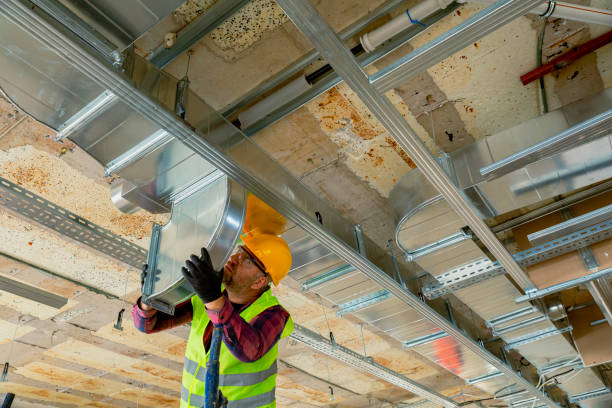
Inadequate execution can compromise the performance of sandwich panels.
Within Sandwich Panels for PEB: Types + Thickness + Installation, several recurring mistakes should be avoided.
Improper sealing at panel joints is one of the most common causes of water leakage.
Missing vapor barriers lead to condensation problems, especially in humid environments.
Using incorrect screw types or spacing results in panel movement and potential wind damage. Over-tightening screws may damage outer sheets and reduce insulation effectiveness.
Another frequent mistake is neglecting thermal bridging at structural connections, which reduces energy efficiency.
Understanding and preventing these errors ensures that Sandwich Panels for PEB: Types + Thickness + Installation deliver the expected thermal and structural performance.
Site Acceptance Checklist for Sandwich Panel Installation
Site Acceptance Checklist for Sandwich Panel Installation

A structured inspection process is essential in Sandwich Panels for PEB: Types + Thickness + Installation. Below is a practical site checklist:
| Inspection Item | Verification Method | Status |
| Panel Type Matches Specification | Check delivery documents | ✔ / ✘ |
| Thickness Verified | Measure physically | ✔ / ✘ |
| Proper Joint Sealing | Visual + sealant check | ✔ / ✘ |
| Correct Screw Type & Spacing | Visual + torque test | ✔ / ✘ |
| Edge Protection Applied | Visual inspection | ✔ / ✘ |
| Surface Damage Check | Visual inspection | ✔ / ✘ |
| Vapor Barrier Installed (if required) | Site verification | ✔ / ✘ |
Using a checklist ensures installation quality and reduces post-handover claims.
Performance Statistics for Sandwich Panels in PEB
| Panel Type | Thermal Conductivity (W/mK) | Fire Rating | Typical Thickness Range |
| PU | 0.022–0.028 | Moderate | 40–100mm |
| PIR | 0.020–0.026 | High | 50–120mm |
| Rockwool | 0.035–0.045 | Very High | 50–150mm |
These performance indicators support decision-making within Sandwich Panels for PEB: Types + Thickness + Installation and help optimize building envelopes.
Frequently Asked Questions (FAQ)
Q1: Which sandwich panel is best for hot climates?
PU and PIR panels are ideal due to their superior thermal insulation properties.
Q2: Are Rockwool panels necessary for all industrial buildings?
Not always. They are mainly required when high fire resistance is mandatory.
Q3: How do I prevent condensation in sandwich panels?
Proper vapor barriers, sealing, and correct thickness selection prevent condensation issues.
Q4: Can improper installation void warranties?
Yes. Incorrect fastening, sealing, or alignment may void manufacturer warranties.
Q5: What is the lifespan of sandwich panels?
With proper installation and maintenance, panels can last 20–30 years or more.
Conclusion
Understanding Sandwich Panels for PEB: Types + Thickness + Installation is crucial for delivering energy-efficient, durable, and cost-effective steel buildings.
From selecting the correct core material to choosing appropriate thickness and ensuring precise installation, every step directly impacts performance and longevity.
Avoiding common mistakes, applying structured site inspections, and following engineering guidelines ensure that sandwich panels provide optimal insulation, fire safety, and weather resistance.
By mastering Sandwich Panels for PEB: Types + Thickness + Installation, contractors and project owners can maximize building performance, reduce operational costs, and enhance long-term asset value.
Related articles: