
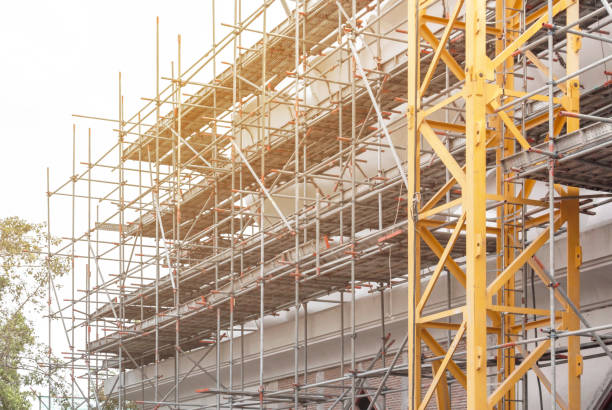
Site Safety in Steel Erection: Checklist
Steel erection is a high-risk phase in construction, demanding meticulous planning, skilled personnel, and strict adherence to safety protocols.
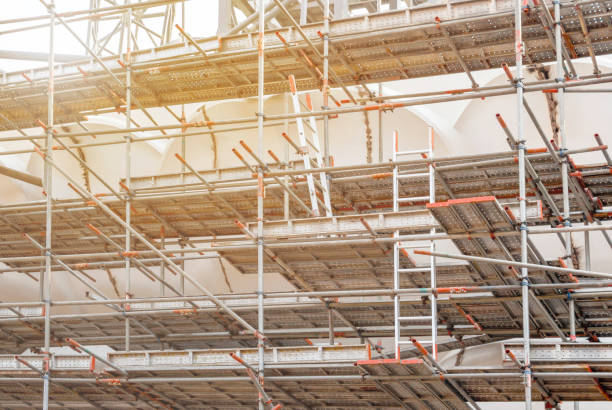
Understanding and implementing effective safety measures is essential to protect workers, equipment, and the integrity of the structure.
In this guide, we explore Site Safety in Steel Erection: Checklist, covering key risks, PPE requirements, lifting operations, welding safety, and practical checklists to ensure a safe and efficient worksite.
Core Safety Risks in Steel Structure Installation
Construction sites, especially steel erection projects, are prone to several hazards.
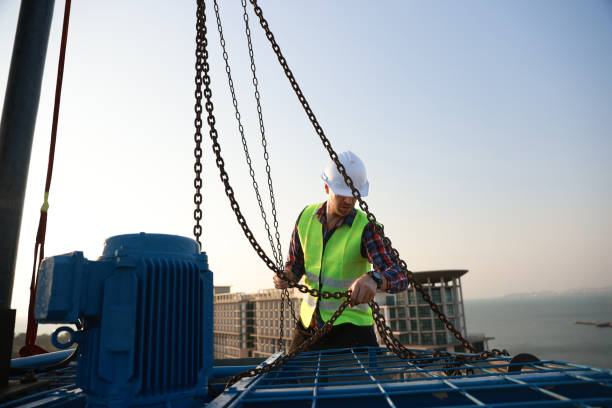
Site Safety in Steel Erection: Checklist highlights the importance of identifying and mitigating these risks:
- Falls from Height: Workers frequently operate at elevated levels during steel beam and column installations. Without proper fall protection, falls are the leading cause of injuries in steel erection projects.
- Structural Instability: Temporary bracing and improperly secured members can lead to collapse during installation. Ensuring proper sequencing and bracing is crucial.
- Struck-By Incidents: Moving cranes, swinging loads, and falling tools can injure personnel. Maintaining exclusion zones and awareness is essential.
- Electrical Hazards: Overhead power lines or contact with live circuits pose serious risks. Implement lockout/tagout procedures where necessary.
- Manual Handling Injuries: Heavy steel members require careful handling, mechanical assistance, and teamwork to prevent strains and sprains.
Implementing a robust Site Safety in Steel Erection: Checklist ensures these risks are consistently monitored and mitigated, protecting both personnel and project schedules.
PPE Requirements and Working at Height Rules
Personal protective equipment (PPE) is the first line of defense for construction workers.
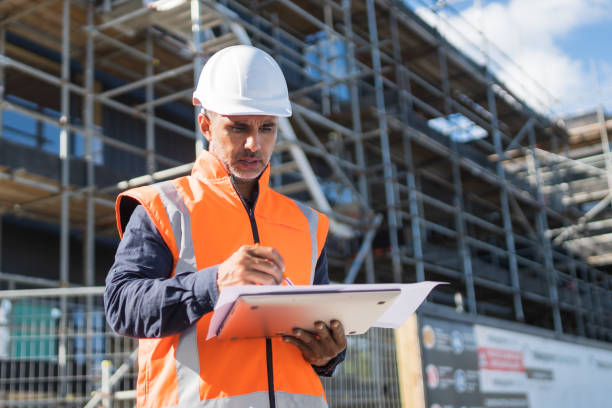
According to Site Safety in Steel Erection: Checklist, key PPE measures include:
- Hard Hats and Safety Footwear: Mandatory on all steel erection sites to protect against falling objects and sharp edges.
- Harnesses and Fall Arrest Systems: Required for working at height, including beam walking, roof installation, and elevated platforms.
- High-Visibility Clothing: Ensures workers are visible to crane operators and heavy machinery drivers.
- Gloves and Eye Protection: Protects against cuts, abrasions, and sparks during handling and welding.
- Training and Inspections: PPE should be inspected daily, and workers must be trained in proper usage, anchorage points, and rescue procedures.
Following these PPE requirements alongside strict working-at-height protocols significantly reduces accident rates on steel erection projects.
Lifting Operations Safety: Rigging, Signals, and Exclusion Zones
Crane and lifting operations are integral to steel erection but present major hazards.
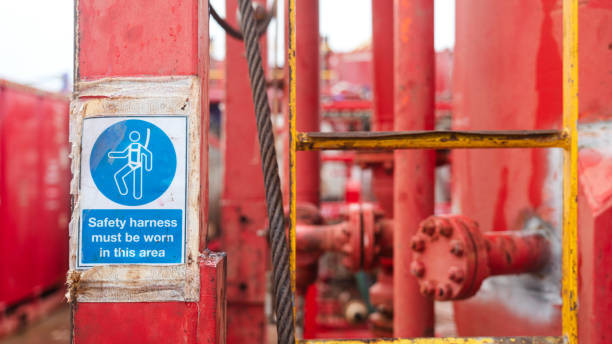
Site Safety in Steel Erection: Checklist emphasizes:
- Certified Rigging Equipment: All slings, chains, and hooks must meet manufacturer specifications and be inspected daily.
- Trained Operators: Crane operators must be licensed, and riggers must understand load charts, lifting angles, and center-of-gravity considerations.
- Clear Signals: Standard hand signals or radios should be used to coordinate movements and prevent misunderstandings.
- Exclusion Zones: Non-essential personnel must remain clear of lift areas. Barricades and warning signage ensure a controlled environment.
- Load Stability: Temporary tag lines help control swinging loads, preventing collisions with structures or personnel.
By following these practices, projects achieve safe and efficient lifting operations without compromising timelines.
Bolt Tightening & Welding Safety: Fire Watch and Hot Works
Steel erection involves welding, cutting, and bolting, which pose fire and burn hazards.
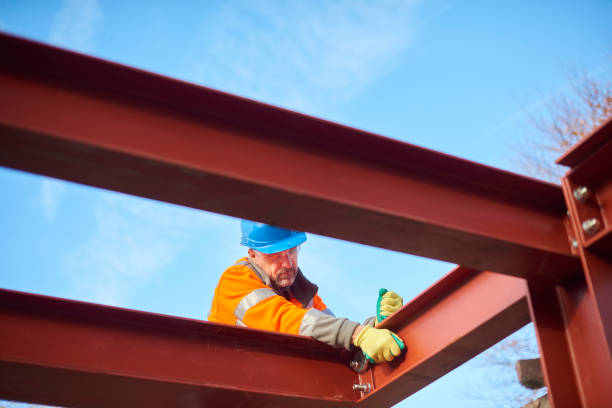
According to Site Safety in Steel Erection: Checklist:
- Hot Work Permits: Required for welding or cutting near combustible materials. Permits define safety procedures, PPE, and fire watch responsibilities.
- Fire Watch: Designated personnel monitor welding areas for sparks, with fire extinguishers ready.
- Proper Ventilation: Ensures fumes and gases from welding and cutting are safely dispersed.
- Torque Specifications for Bolts: Over- or under-tightening can compromise structural integrity. Bolts must be torqued according to design specifications.
- Personal Safety: Workers must wear welding masks, gloves, aprons, and flame-resistant clothing to prevent burns.
Adherence to these practices protects personnel and prevents costly fire-related incidents.
Site Safety Checklist (Daily / Weekly) for Contractors
Implementing a structured checklist ensures continuous safety monitoring.
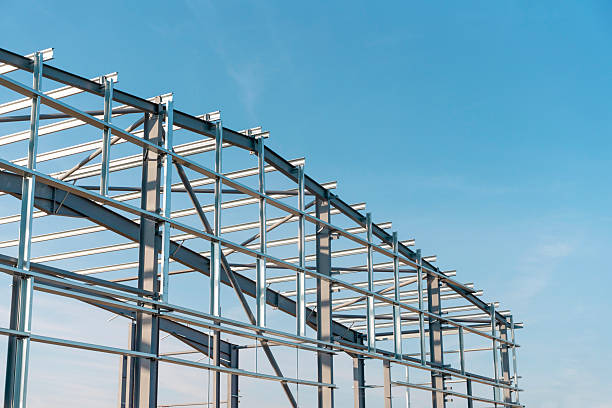
A sample Site Safety in Steel Erection: Checklist includes:
| Safety Task | Frequency | Responsible Person |
| PPE Inspection | Daily | Safety Officer |
| Fall Protection Setup | Daily | Site Supervisor |
| Crane & Rigging Inspection | Daily | Certified Rigger |
| Fire Watch & Hot Work Monitoring | Daily/As Needed | Designated Fire Watch |
| Bolt Tightening Verification | Weekly | Structural Foreman |
| Temporary Bracing Checks | Weekly | Engineer/Foreman |
| Safety Toolbox Talk | Weekly | Safety Officer |
Regular adherence to this checklist ensures a systematic approach to risk management and compliance with safety regulations.
Frequently Asked Questions (FAQ)
Q1: How often should PPE be inspected on a steel erection site?
A1: PPE should be inspected daily before the start of work to ensure it is in good condition and properly fitted.
Q2: Are fall arrest systems mandatory for all heights?
A2: Yes, any work above 6 feet typically requires fall protection systems, including harnesses, guardrails, or nets.
Q3: What is the role of a fire watch during welding?
A3: A fire watch monitors welding and cutting operations, ensuring sparks do not ignite nearby materials and responding immediately to fire hazards.
Q4: Can daily crane inspections prevent accidents?
A4: Absolutely. Daily inspections ensure mechanical reliability, proper rigging, and operational safety, significantly reducing lift-related incidents.
Q5: How do exclusion zones improve site safety?
A5: They keep non-essential personnel away from hazardous areas, reducing the risk of being struck by moving loads or equipment.
Conclusion
Maintaining Site Safety in Steel Erection: Checklist is more than compliance—it is an investment in worker protection, project efficiency, and long-term structural integrity.
From PPE enforcement and working-at-height protocols to lifting operations, bolt tightening, and welding safety, every detail matters.
A disciplined approach with structured daily and weekly checklists ensures that steel erection projects are executed safely, on time, and without incidents.
By prioritizing safety at every step, contractors and project managers not only protect their workforce but also enhance productivity and reduce costly delays.
Integrating a comprehensive Site Safety in Steel Erection: Checklist into your workflow is a step toward building stronger, safer, and more reliable steel structures.
Related articles: