
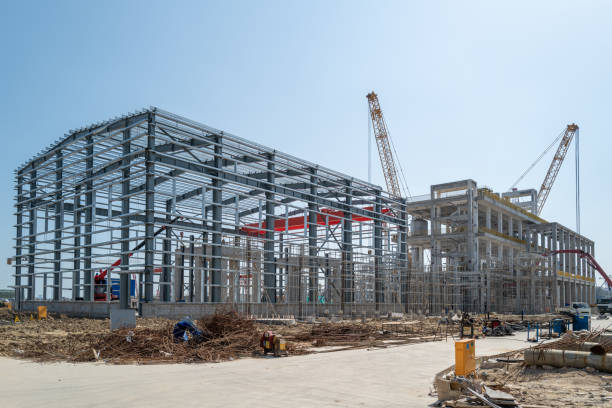
Factory Steel Buildings: Design Considerations (Loads, Ventilation, Expansion)
Industrial facilities require more than standard structural solutions.
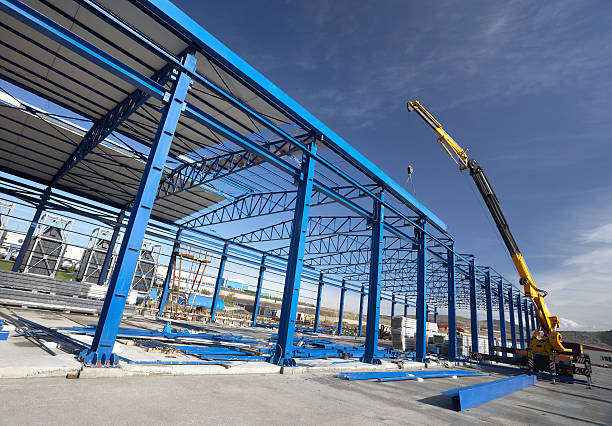
Designing efficient and durable industrial facilities begins with understanding Factory Steel Buildings: Design Considerations (Loads, Ventilation, Expansion).
Unlike conventional warehouses, factories operate with dynamic equipment, high internal heat gains, heavy machinery, and continuous production cycles.
A properly engineered factory structure must accommodate operational efficiency, worker safety, and long-term scalability.
That is why Factory Steel Buildings: Design Considerations (Loads, Ventilation, Expansion) play a critical role in minimizing downtime, improving productivity, and ensuring regulatory compliance.
From crane loads to expansion joints and integrated MEP systems, each design decision directly impacts performance.
In this comprehensive guide, we explore the key factors influencing Factory Steel Buildings: Design Considerations (Loads, Ventilation, Expansion) and how to optimize them for modern industrial operations.
Factory Layout Needs: Equipment, Process Lines, and Clearances
Factory Layout Needs: Equipment, Process Lines, and Clearances

Effective planning of Factory Steel Buildings: Design Considerations (Loads, Ventilation, Expansion) begins with understanding factory layout requirements.
Production lines, automated systems, and heavy equipment must be arranged to ensure efficient workflow and safe material movement.
Clear span areas are often required to eliminate interior columns that could interfere with machinery placement.
Sufficient vertical clearance is also essential for overhead cranes, ductwork, and future expansions.
Access zones for forklifts, maintenance teams, and emergency evacuation routes must be carefully integrated into the structural grid.
Poor layout planning can lead to bottlenecks, reduced efficiency, and increased safety risks.
Structural framing should align with process lines to avoid costly modifications later.
Optimizing layout planning is a foundational step in successful Factory Steel Buildings: Design Considerations (Loads, Ventilation, Expansion).
Load Cases: Crane Loads, Dynamic Loads, and Heavy Machinery
Load Cases: Crane Loads, Dynamic Loads, and Heavy Machinery
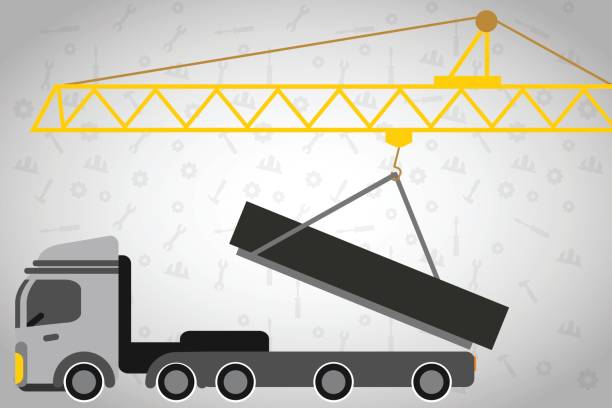
Structural engineers must carefully evaluate load conditions when applying Factory Steel Buildings: Design Considerations (Loads, Ventilation, Expansion).
Industrial buildings experience complex load combinations beyond standard dead and live loads.
Crane loads introduce vertical and horizontal forces, including impact and lateral surge effects.
The supporting runway beams and columns must be designed for fatigue resistance and repeated stress cycles.
Dynamic loads from vibrating machinery can generate resonance issues if not properly analyzed.
Equipment foundations may require isolation pads or reinforced concrete blocks.
Heavy machinery loads must also consider point load distribution and floor slab thickness.
Proper structural modeling and load analysis are essential components of Factory Steel Buildings: Design Considerations (Loads, Ventilation, Expansion) to ensure safety and long-term durability.
Ventilation & Indoor Climate: Heat, Dust, and Airflow
Ventilation & Indoor Climate: Heat, Dust, and Airflow
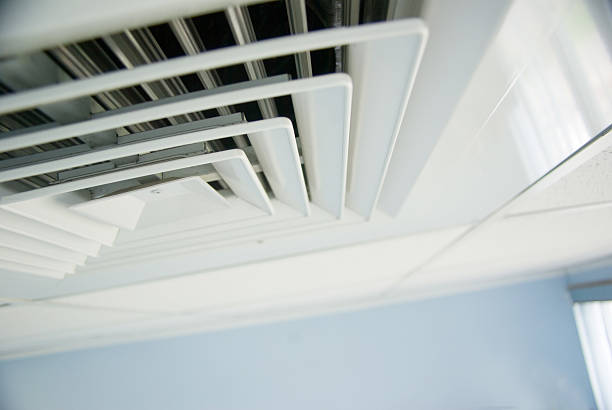
Maintaining indoor environmental quality is a key factor in Factory Steel Buildings: Design Considerations (Loads, Ventilation, Expansion).
Industrial processes often generate significant heat, fumes, and airborne dust particles.
Natural ventilation systems, such as ridge vents and wall louvers, can reduce internal heat buildup.
However, mechanical ventilation systems are often required in high-production environments.
Proper airflow design improves worker comfort, enhances productivity, and reduces equipment overheating.
Dust extraction systems may also be necessary in manufacturing sectors like metal fabrication or cement processing.
Thermal insulation plays a vital role in controlling internal temperatures and reducing HVAC operational costs.
Integrating climate control solutions strengthens overall performance within Factory Steel Buildings: Design Considerations (Loads, Ventilation, Expansion).
Expansion Joints and Temperature Effects in Large Buildings
Expansion Joints and Temperature Effects in Large Buildings
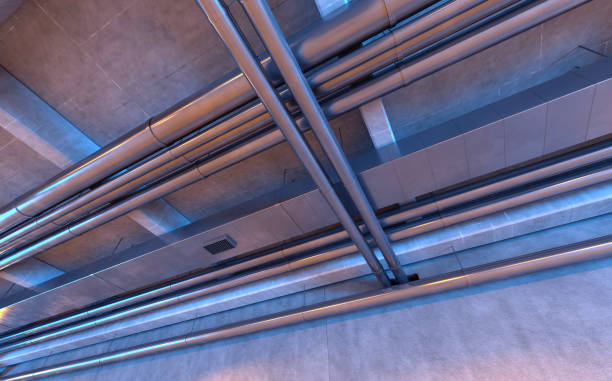
Large industrial structures are highly sensitive to temperature fluctuations.
That is why expansion management is essential in Factory Steel Buildings: Design Considerations (Loads, Ventilation, Expansion).
Steel expands and contracts with temperature changes.
Without expansion joints, excessive stress can accumulate, leading to cracks or connection failures.
Expansion joints allow controlled structural movement while maintaining alignment and waterproofing integrity.
Roofing systems, wall panels, and flooring systems must accommodate thermal movement.
Ignoring thermal expansion can result in long-term structural fatigue and maintenance challenges.
Incorporating proper joint spacing enhances structural longevity in Factory Steel Buildings: Design Considerations (Loads, Ventilation, Expansion) projects.
Utility Integration: MEP Openings, Platforms, and Maintenance Access
Utility Integration: MEP Openings, Platforms, and Maintenance Access
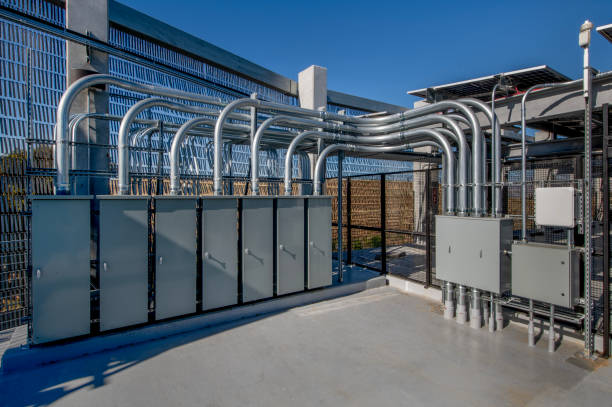
Efficient integration of mechanical, electrical, and plumbing systems is a vital aspect of Factory Steel Buildings: Design Considerations (Loads, Ventilation, Expansion).
Structural frames must include predefined openings for ducts, cable trays, and piping systems. Improperly coordinated openings can weaken structural members and cause costly rework.
Maintenance platforms and access ladders should be incorporated into the initial design to ensure safe servicing of equipment.
Elevated platforms supporting heavy machinery require structural reinforcement and vibration analysis.
Coordinating MEP systems with structural design ensures seamless functionality within Factory Steel Buildings: Design Considerations (Loads, Ventilation, Expansion).
Industrial Performance Benchmarks
| Design Factor | Typical Requirement | Impact on Performance |
| Crane Capacity | 5–50 Tons (Typical Industrial Range) | Structural Reinforcement Needed |
| Clear Height | 6–15 m | Equipment & Crane Clearance |
| Roof Ventilation Rate | Based on Air Changes per Hour | Temperature Control |
| Expansion Joint Spacing | 30–60 m (Typical Range) | Thermal Stress Reduction |
| Floor Load Capacity | 5–15 kN/m² or higher | Heavy Machinery Support |
These performance benchmarks guide successful implementation of Factory Steel Buildings: Design Considerations (Loads, Ventilation, Expansion).
Frequently Asked Questions (FAQ)
Q1: Why are crane loads critical in factory steel buildings?
Because crane operations generate dynamic forces that significantly affect structural design.
Q2: How do expansion joints improve building performance?
They accommodate thermal movement and reduce structural stress accumulation.
Q3: What is the ideal ventilation strategy for factories?
A combination of natural and mechanical systems tailored to production processes.
Q4: Can factory buildings be expanded in the future?
Yes, when expansion capability is considered during initial structural planning.
Q5: Why is layout planning important in industrial facilities?
It improves workflow efficiency, safety, and long-term scalability.
Conclusion
Designing efficient industrial facilities requires a comprehensive understanding of Factory Steel Buildings: Design Considerations (Loads, Ventilation, Expansion).
From structural load analysis to ventilation design and expansion management, every component influences operational success.
A well-engineered factory steel building enhances productivity, reduces maintenance costs, and ensures long-term structural integrity.
By applying best practices in Factory Steel Buildings: Design Considerations (Loads, Ventilation, Expansion), developers and industrial operators can create
Related articles: