
Roofing Systems for Steel Buildings: Options & How to Choose
Selecting the right roofing solution is one of the most critical decisions in any steel building project.
The roof is not just a protective cover — it directly affects thermal performance, waterproofing reliability, energy efficiency, and long-term maintenance costs.
In this complete guide to Roofing Systems for Steel Buildings: Options & How to Choose, we explain the most common roofing systems, insulation strategies, drainage design principles, and installation best practices.
Understanding Roofing Systems for Steel Buildings: Options & How to Choose helps project owners avoid leakage issues, condensation problems, and premature material failure.
A properly designed roof enhances durability, reduces operational costs, and improves internal comfort.
By mastering Roofing Systems for Steel Buildings: Options & How to Choose, developers and contractors can ensure their steel structures deliver high performance, sustainability, and long-term value.
Common Roofing Types for Steel Buildings (Sheets, Sandwich, Standing Seam)
Common Roofing Types for Steel Buildings (Sheets, Sandwich, Standing Seam)
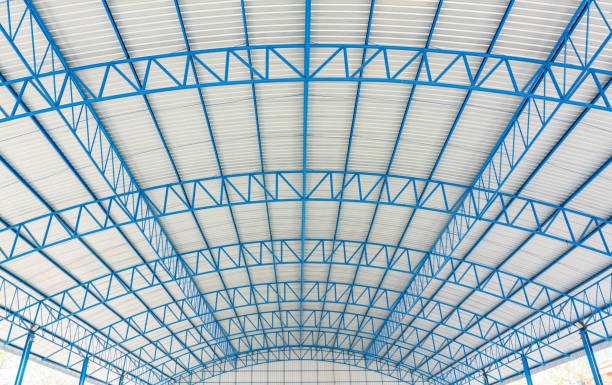
Choosing the right roofing type is the foundation of Roofing Systems for Steel Buildings: Options & How to Choose.
Each roofing system offers specific advantages depending on climate conditions, insulation needs, and project budget.
Single-skin metal sheets are a cost-effective solution commonly used in warehouses and agricultural buildings.
While economical, they require additional insulation layers to control heat transfer and condensation.
Sandwich panels integrate insulation between two metal sheets, offering excellent thermal performance and simplified installation.
They are widely used in industrial facilities requiring energy efficiency and controlled internal environments.
Standing seam roofing systems provide superior waterproofing due to concealed fasteners and continuous seams.
These systems are ideal for large-span buildings exposed to heavy rainfall or extreme weather conditions.
Selecting the correct roofing type ensures that Roofing Systems for Steel Buildings: Options & How to Choose align with performance expectations and project objectives.
Thermal Insulation and Vapor Barrier: Preventing Condensation
Thermal Insulation and Vapor Barrier: Preventing Condensation
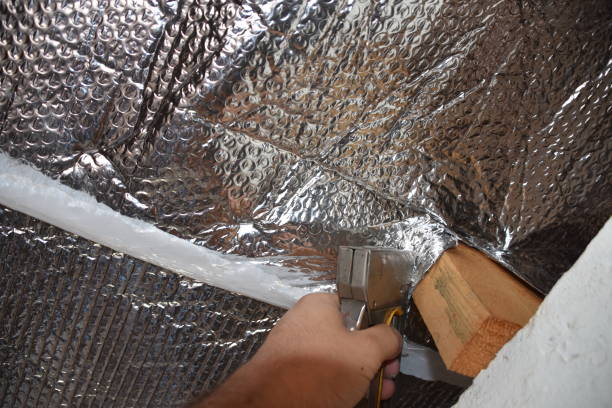
One of the most overlooked aspects of Roofing Systems for Steel Buildings: Options & How to Choose is condensation control.
Without proper insulation and vapor barriers, moisture accumulation can damage insulation, corrode steel, and create unhealthy indoor conditions.
Thermal insulation reduces heat transfer, maintaining internal temperature stability and lowering HVAC energy consumption. Common insulation materials include mineral wool, fiberglass blankets, and rigid foam boards.
A vapor barrier prevents moisture from migrating into the insulation layer, especially in humid or temperature-controlled facilities. Improper placement of the vapor barrier can trap moisture instead of preventing it.
Condensation often forms when warm indoor air meets a cold roof surface. Proper insulation thickness and correct vapor barrier positioning eliminate this risk.
Effective condensation control is a critical factor in Roofing Systems for Steel Buildings: Options & How to Choose, especially in industrial and cold storage applications.
Drainage Design: Slopes, Gutters, and Downpipes
Drainage Design: Slopes, Gutters, and Downpipes
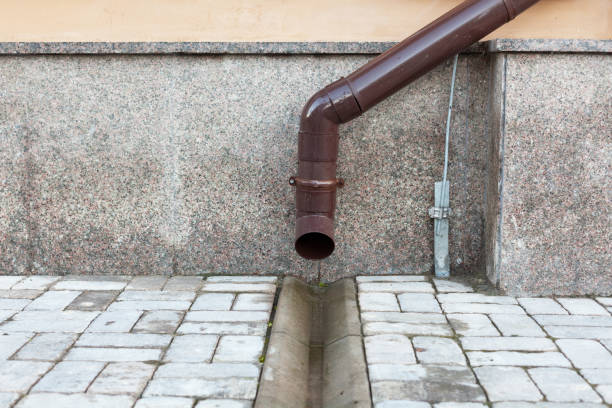
Water management is a fundamental component of Roofing Systems for Steel Buildings: Options & How to Choose.
Even high-quality roofing materials will fail if water drainage is poorly designed.
Roof slopes must be carefully calculated to ensure proper water runoff.
Insufficient slope can lead to ponding water, increasing structural load and accelerating corrosion.
Gutters should be sized according to rainfall intensity and roof area.
Undersized gutters often overflow during heavy storms, causing façade damage and foundation issues.
Downpipes must be strategically positioned to prevent water accumulation near structural columns.
Proper drainage planning also reduces long-term maintenance costs.
Incorporating effective drainage solutions strengthens the overall performance of Roofing Systems for Steel Buildings: Options & How to Choose.
Skylights, Ridge Vent, and Natural Ventilation Options
Skylights, Ridge Vent, and Natural Ventilation Options
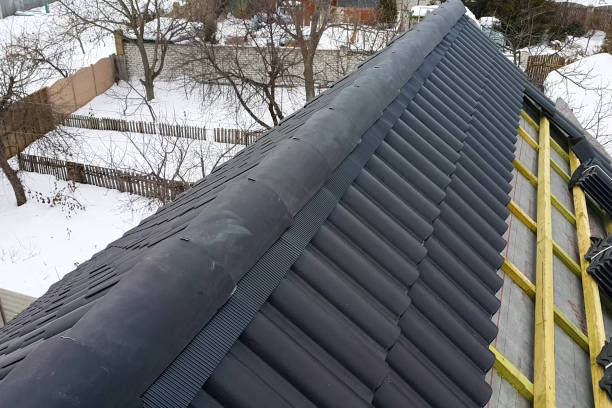
Natural lighting and ventilation are important elements within Roofing Systems for Steel Buildings: Options & How to Choose.
Skylights reduce daytime electricity consumption and improve indoor visibility.
However, skylight integration must be carefully sealed to prevent leakage.
Proper flashing and waterproof detailing are essential for durability.
Ridge ventilation systems allow hot air to escape naturally, improving airflow and reducing heat buildup inside industrial buildings. This passive ventilation method enhances thermal comfort and reduces cooling costs.
Louvers and wall vents can complement roof ventilation systems to create balanced airflow.
When properly designed, ventilation solutions enhance the energy efficiency and sustainability of Roofing Systems for Steel Buildings: Options & How to Choose.
Roofing Installation Checklist to Avoid Leaks
Roofing Installation Checklist to Avoid Leaks
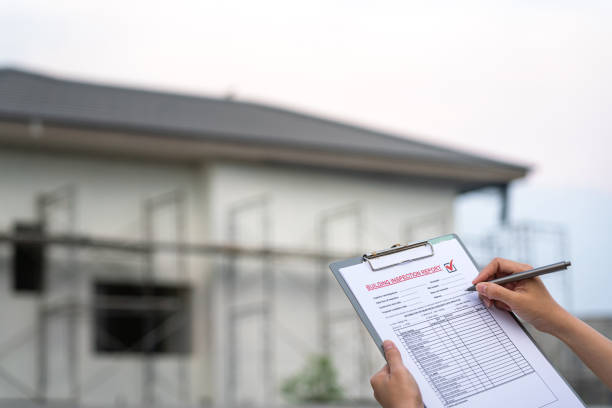
Proper installation is critical to achieving optimal performance in Roofing Systems for Steel Buildings: Options & How to Choose. Even the best materials can fail due to poor workmanship.
Fasteners must be installed with correct torque and sealing washers to prevent water penetration. Over-tightening can damage panels, while under-tightening may cause leakage.
Panel overlaps must follow manufacturer recommendations to ensure watertight sealing. Sealants should be applied at critical joints and flashing areas.
Roof penetrations such as HVAC ducts and skylights require special waterproof detailing.
Final inspection should include visual checks, fastener alignment verification, and drainage testing.
Following a structured installation process significantly reduces risks associated with Roofing Systems for Steel Buildings: Options & How to Choose.
Roofing System Performance Comparison
| Roofing Type | Insulation Level | Leak Resistance | Maintenance Needs | Best For |
| Single-Skin Sheet | Low | Moderate | Medium | Budget Warehouses |
| Sandwich Panels | High | High | Low | Industrial & Cold Storage |
| Standing Seam | High | Very High | Very Low | Large Industrial & Commercial |
| Insulated Built-Up Roof | Medium-High | High | Medium | Specialized Facilities |
This comparison supports informed decision-making when evaluating Roofing Systems for Steel Buildings: Options & How to Choose.
Frequently Asked Questions (FAQ)
Q1: Which roofing system is best for hot climates?
Sandwich panels or standing seam systems with proper insulation perform best in high-temperature regions.
Q2: How can I prevent roof condensation?
By installing adequate thermal insulation and correctly positioned vapor barriers.
Q3: What causes most roof leaks in steel buildings?
Improper installation, loose fasteners, poor flashing details, and insufficient slope are the main causes.
Q4: Are skylights safe for industrial roofs?
Yes, when properly installed with certified waterproofing systems.
Q5: How often should steel building roofs be inspected?
At least once per year, and after major storms.
Conclusion
Selecting the right Roofing Systems for Steel Buildings: Options & How to Choose is essential for ensuring durability, waterproofing integrity, and energy efficiency.
From roofing material selection to insulation, drainage, and ventilation, every component contributes to long-term building performance.
A well-designed and professionally installed roofing system minimizes maintenance costs, prevents leaks, and enhances internal comfort.
By carefully evaluating all factors within Roofing Systems for Steel Buildings: Options & How to Choose, project owners can protect their investment and ensure reliable performance for decades.
Related articles: