
Choosing the Right Steel Grade: Practical Guide for Projects
Selecting the correct material specification is one of the most critical decisions in any structural project.
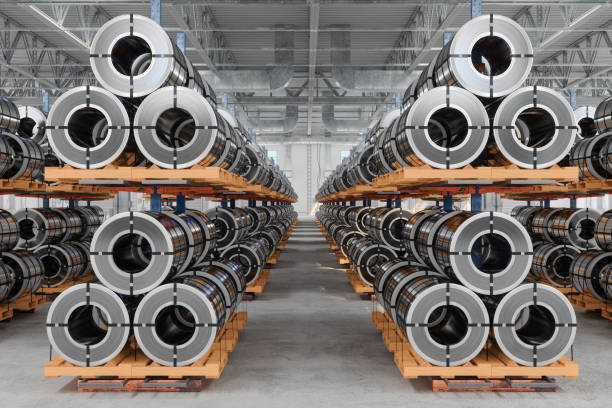
Understanding Choosing the Right Steel Grade: Practical Guide for Projects ensures structural safety, cost efficiency, durability, and long-term performance.
Steel grade selection directly affects load capacity, weldability, fabrication speed, and even project timeline.
Many project delays and budget overruns originate from improper material selection.
Engineers and procurement teams must align structural requirements, environmental exposure, and availability factors when applying Choosing the Right Steel Grade: Practical Guide for Projects.
A well-informed decision not only enhances structural integrity but also reduces lifecycle maintenance costs.
In this comprehensive guide, we break down the essential technical and practical aspects of Choosing the Right Steel Grade: Practical Guide for Projects, helping developers, contractors, and consultants make confident decisions.
Steel Grades Basics: Strength, Ductility, and Weldability
Steel Grades Basics: Strength, Ductility, and Weldability
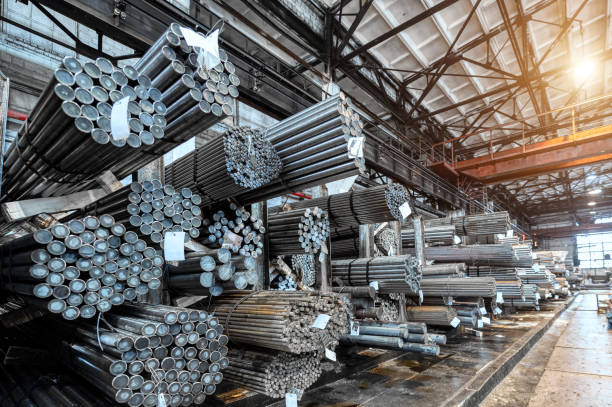
The foundation of Choosing the Right Steel Grade: Practical Guide for Projects begins with understanding the core mechanical properties of steel.
The three primary characteristics influencing grade selection are strength, ductility, and weldability.
Yield strength defines how much load the steel can handle before permanent deformation occurs.
Higher strength grades allow for lighter structural members, potentially reducing overall material weight and cost.
Ductility measures the steel’s ability to deform before fracture.
In seismic regions, higher ductility is critical to absorb energy and prevent sudden failure.
Weldability affects fabrication efficiency.
Some high-strength grades require special welding procedures and preheating to avoid cracking.
Balancing these properties is essential when implementing Choosing the Right Steel Grade: Practical Guide for Projects to ensure both safety and constructability.
How Climate and Environment Affect Grade Selection
How Climate and Environment Affect Grade Selection

Environmental conditions play a major role in Choosing the Right Steel Grade: Practical Guide for Projects.
Temperature fluctuations, humidity, and exposure to corrosive elements significantly influence material performance.
In cold climates, steels with improved toughness at low temperatures are required to prevent brittle fracture.
Impact-tested grades are often specified in such regions.
In coastal or industrial zones, corrosion resistance becomes a key consideration.
Weathering steel or properly protected carbon steel may be required depending on exposure severity.
High-temperature environments may also demand materials capable of maintaining strength under thermal stress.
Considering environmental factors ensures durability and reliability within Choosing the Right Steel Grade: Practical Guide for Projects frameworks.
Structural Members vs Plates vs Connections: Different Needs
Structural Members vs Plates vs Connections: Different Needs
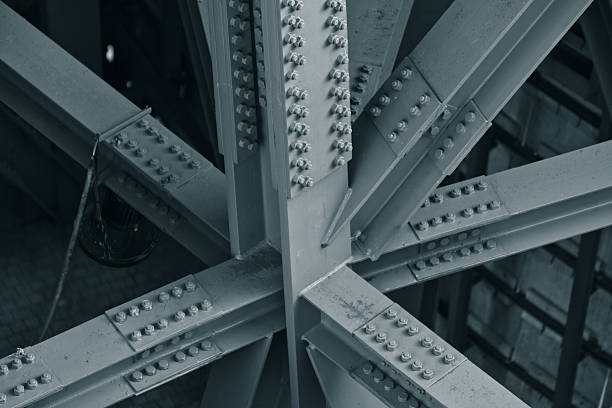
Different structural components require different material properties when applying Choosing the Right Steel Grade: Practical Guide for Projects.
Main structural members such as beams and columns often prioritize yield strength and load capacity.
Plates used in base connections or heavy equipment supports may require enhanced thickness and toughness.
Connections and bolts must balance strength with ductility to prevent brittle failure under dynamic loads.
Using the same steel grade across all components may not be the most efficient or economical solution.
A strategic material allocation approach improves cost control and structural performance within Choosing the Right Steel Grade: Practical Guide for Projects.
Availability and Lead Time: Avoiding Procurement Delays
Availability and Lead Time: Avoiding Procurement Delays

Procurement planning is an often overlooked factor in Choosing the Right Steel Grade: Practical Guide for Projects.
Selecting a technically suitable grade that is not readily available in the market can delay fabrication and shipping schedules.
Certain high-performance or specialized grades may require extended production lead times. Imported materials may also introduce logistical risks and customs delays.
Coordination between engineering and procurement teams is essential to balance performance requirements with market availability.
Standardized and widely stocked grades often provide faster turnaround times and cost efficiency.
Factoring availability into Choosing the Right Steel Grade: Practical Guide for Projects reduces project timeline risks and budget uncertainties.
Common Grade Selection Mistakes (and How to Avoid Them)
Common Grade Selection Mistakes (and How to Avoid Them)

One common mistake in Choosing the Right Steel Grade: Practical Guide for Projects is over-specification.
Engineers sometimes select unnecessarily high-strength grades, increasing costs without proportional structural benefit.
Another error is ignoring weldability implications, leading to fabrication challenges and increased labor costs.
Failure to consider environmental exposure can accelerate corrosion and reduce service life.
Inadequate coordination between structural design and procurement teams can also result in material shortages or substitutions.
Avoiding these mistakes requires a balanced, data-driven approach when implementing Choosing the Right Steel Grade: Practical Guide for Projects.
Steel Grade Selection Performance Overview
| Selection Factor | Key Consideration | Impact on Project |
| Yield Strength | Load Capacity | Material Efficiency |
| Ductility | Seismic Performance | Structural Safety |
| Weldability | Fabrication Speed | Labor Cost |
| Corrosion Resistance | Environmental Exposure | Maintenance Cost |
| Availability | Market Supply | Project Timeline |
This structured overview supports informed decisions within Choosing the Right Steel Grade: Practical Guide for Projects planning processes.
Frequently Asked Questions (FAQ)
Q1: Why is yield strength important when selecting steel grades?
It determines how much load a structural element can carry before permanent deformation occurs.
Q2: Can higher strength steel reduce overall project cost?
Yes, in some cases it allows lighter sections, but it may increase fabrication complexity.
Q3: Does climate affect steel performance?
Yes, especially in cold or corrosive environments where specific grades are required.
Q4: Is using one steel grade for all components recommended?
Not always. Different components may require different mechanical properties.
Q5: How can procurement delays be minimized?
By selecting commonly available grades and coordinating early with suppliers.
Conclusion
Making the correct material decision is fundamental to structural performance, cost optimization, and project efficiency.
By applying the principles outlined in Choosing the Right Steel Grade: Practical Guide for Projects, stakeholders can ensure safety, durability, and timely execution.
Balancing mechanical properties, environmental conditions, fabrication requirements, and availability ensures long-term success.
A strategic and informed approach to Choosing the Right Steel Grade: Practical Guide for Projects not only strengthens structural integrity but also protects investment value and operational continuity.
Related articles: