
Steel Structure Maintenance Plan: How to Keep Your Building Performing for 10–20 Years
A well-designed steel building can easily serve for decades — but only when supported by a proactive maintenance strategy.
Implementing a structured Steel Structure Maintenance Plan: How to Keep Your Building Performing for 10–20 Years is essential to protect your investment, reduce operational disruptions, and maintain structural safety.
Many building owners assume that steel structures require minimal maintenance. While steel is highly durable, environmental exposure, corrosion risks, roof wear, and connection loosening can gradually compromise performance.
Without a systematic inspection and repair approach, minor issues can escalate into costly structural failures.
This is why adopting a professional Steel Structure Maintenance Plan: How to Keep Your Building Performing for 10–20 Years is not just recommended — it is a long-term asset management strategy.
From annual inspections to corrosion control and documentation systems, this guide explains how to ensure your facility remains safe, compliant, and operational for decades.
Why Maintenance Extends Service Life and Reduces Cost
Why Maintenance Extends Service Life and Reduces Cost
The foundation of a successful Steel Structure Maintenance Plan: How to Keep Your Building Performing for 10–20 Years lies in preventive maintenance.
Regular inspections and timely repairs significantly reduce lifecycle costs compared to reactive emergency fixes.
Corrosion, minor roof leaks, or loose bolts may appear insignificant at first. However, if neglected, they can weaken structural components and require expensive replacement.
Preventive maintenance extends the service life of coatings, cladding panels, and structural connections.
Studies in industrial asset management consistently show that preventive maintenance reduces major repair costs by up to 30–40% over the building lifecycle.
Additionally, well-maintained buildings maintain higher property value and better insurance ratings.
A structured Steel Structure Maintenance Plan: How to Keep Your Building Performing for 10–20 Years ultimately protects both safety and profitability.
Annual Inspection Checklist: Bolts, Coating, Roof, and Drainage
Annual Inspection Checklist: Bolts, Coating, Roof, and Drainage
An annual inspection is a critical element of any Steel Structure Maintenance Plan: How to Keep Your Building Performing for 10–20 Years.
Inspections should be systematic and documented.
Structural bolts must be checked for loosening, corrosion, or missing nuts. Torque verification may be required in high-vibration environments.
Protective coatings should be inspected for peeling, blistering, or surface rust. Early coating failure is a primary cause of long-term corrosion.
Roof systems require special attention, including checking fasteners, sealants, flashing details, and drainage performance. Blocked gutters and downpipes can lead to water accumulation and structural stress.
Regular inspection strengthens the effectiveness of a long-term Steel Structure Maintenance Plan: How to Keep Your Building Performing for 10–20 Years.
Corrosion Early Signs and Immediate Actions
Corrosion Early Signs and Immediate Actions
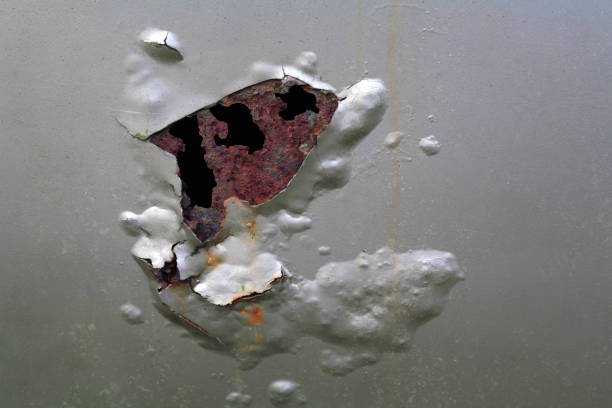
Early corrosion detection is vital in a successful Steel Structure Maintenance Plan: How to Keep Your Building Performing for 10–20 Years.
Surface discoloration, rust staining, bubbling paint, and metal pitting are early warning signs.
If corrosion is detected early, localized surface preparation and recoating can prevent structural damage.
However, advanced corrosion may require structural assessment and reinforcement.
Industrial or coastal environments increase corrosion risk due to humidity, chemicals, and airborne salts.
Immediate corrective action reduces structural deterioration and prevents load capacity reduction.
Implementing corrosion monitoring protocols strengthens the resilience of your Steel Structure Maintenance Plan: How to Keep Your Building Performing for 10–20 Years.
Roof & Cladding Repairs: Common Issues and Fixes
Roof & Cladding Repairs: Common Issues and Fixes
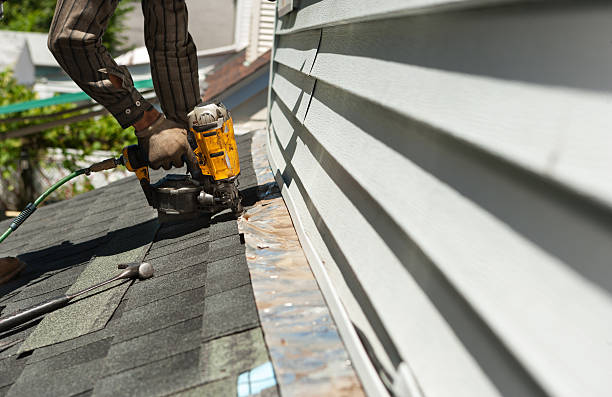
Roofing and cladding systems are the most exposed elements in any steel building. Within a structured Steel Structure Maintenance Plan: How to Keep Your Building Performing for 10–20 Years, roof inspection is a top priority.
Common issues include loose fasteners, deteriorated sealants, panel misalignment, and water leakage. Early repair of minor leaks prevents insulation damage and internal corrosion.
Cladding panels may experience denting or corrosion, especially in high-traffic industrial zones. Damaged panels should be replaced promptly to maintain weather resistance.
Flashing and joint sealants must be checked for aging or cracking.
Timely roof and cladding repairs are essential pillars of an effective Steel Structure Maintenance Plan: How to Keep Your Building Performing for 10–20 Years.
Documentation System: Logs, Photos, and Repair Records
Documentation System: Logs, Photos, and Repair Records

A professional Steel Structure Maintenance Plan: How to Keep Your Building Performing for 10–20 Years must include a structured documentation system. Maintenance logs provide historical data on inspections, repairs, and material replacements.
Photographic records allow visual tracking of corrosion progression or roof conditions over time.
Repair documentation helps identify recurring issues and improve future maintenance strategies.
Maintaining digital records also supports insurance claims and regulatory compliance audits.
A well-organized documentation system transforms your Steel Structure Maintenance Plan: How to Keep Your Building Performing for 10–20 Years into a measurable asset management tool.
Maintenance Impact Overview
| Maintenance Activity | Frequency | Risk if Ignored | Cost Impact |
| Structural Bolt Check | Annually | Joint Loosening | High Repair Cost |
| Coating Inspection | Annually | Corrosion Spread | Medium–High |
| Roof Drainage Cleaning | Twice per Year | Water Damage | High |
| Cladding Inspection | Annually | Weather Infiltration | Medium |
| Documentation Update | Ongoing | Poor Asset Tracking | Indirect Loss |
This structured approach supports the long-term success of a Steel Structure Maintenance Plan: How to Keep Your Building Performing for 10–20 Years.
Frequently Asked Questions (FAQ)
Q1: How often should steel buildings be inspected?
At least once per year, with additional checks after severe weather events.
Q2: What is the biggest threat to steel structure longevity?
Corrosion and water infiltration are the most common long-term risks.
Q3: Is preventive maintenance expensive?
Preventive maintenance costs are significantly lower than emergency structural repairs.
Q4: Can minor rust spots be ignored?
No, early rust signs should be treated immediately to prevent structural damage.
Q5: Why is documentation important in maintenance planning?
It ensures accountability, supports audits, and improves long-term asset management.
Conclusion
Implementing a proactive Steel Structure Maintenance Plan: How to Keep Your Building Performing for 10–20 Years is essential for maximizing structural lifespan and minimizing long-term costs.
Preventive inspections, corrosion control, roof maintenance, and proper documentation collectively ensure operational reliability and safety.
A well-maintained steel structure not only protects occupants and equipment but also strengthens asset value and business continuity.
By adopting a structured and professional Steel Structure Maintenance Plan: How to Keep Your Building Performing for 10–20 Years, building owners can confidently extend the life of their facility while reducing unforeseen repair expenses.
Related articles:
PEB for Logistics & Cold Storage: Requirements You Must Plan For