
The Future of Pre-Engineered Steel Buildings in the Middle East
Pre-engineered steel buildings (PEBs) are set to dominate the Middle East’s construction boom, fueled by megaprojects and sustainability mandates.
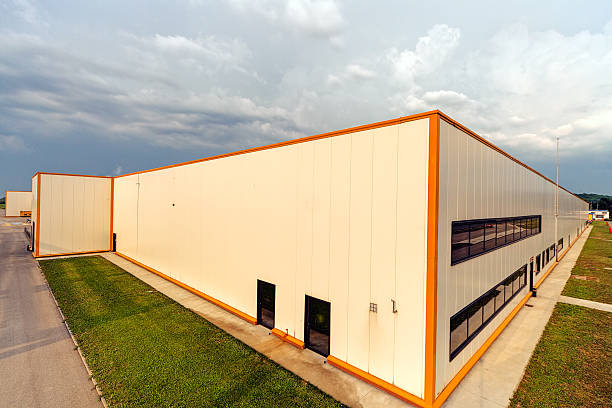
The Future of Pre-Engineered Steel Buildings in the Middle East promises innovation, scalability, and efficiency amid Vision 2030 ambitions. The Future of Pre-Engineered Steel Buildings in the Middle East aligns perfectly with urbanization, digital infrastructure, and green goals in UAE and Saudi Arabia.finance.
Megaprojects Driving Demand
Giga-developments like NEOM, Red Sea Project, and Qiddiya demand scalable PEB solutions for villas, accommodations, and hospitality. The Future of Pre-Engineered Steel Buildings in the Middle East sees steel structures leading due to 30-50% faster timelines for these tight-deadline initiatives. Saudi Arabia’s USD 19.4 billion green investments amplify PEB adoption for worker housing and modules.
Market Growth Projections
The MEA steel building market surges, with PEB segment growing 5.5-13% annually through 2030, from USD 2.3B in 2025 to USD 3.73B by 2031.
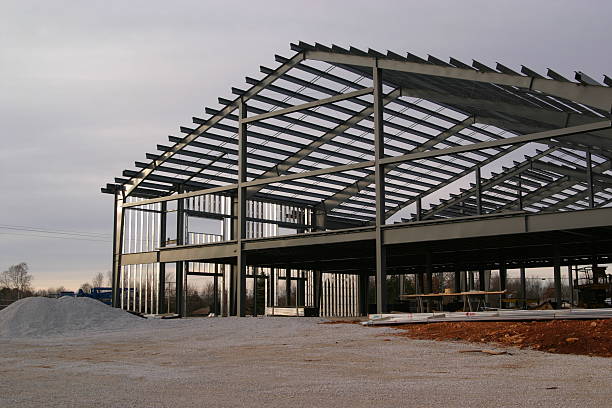
The Future of Pre-Engineered Steel Buildings in the Middle East benefits from urbanization and infrastructure spends, positioning KSA as top importer and UAE as exporter hub. Light-gauge steel dominates commercial, industrial, and residential applications.
Technological Integration: BIM and Robotics
BIM mandates in UAE large projects, coupled with robotics in factories, revolutionize precision and automation. The Future of Pre-Engineered Steel Buildings in the Middle East includes digital twins for error-free assembly, as seen in Samsung C&T partnerships. AI-optimized designs cut material use by 30% while enhancing seismic resilience.finance.
Sustainability Imperatives
PEBs align with net-zero goals using recyclable steel, low-waste fabrication, and insulated hermetic panels for climate resilience.
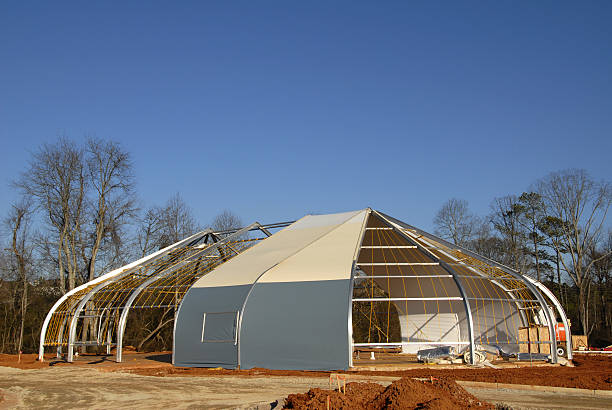
The Future of Pre-Engineered Steel Buildings in the Middle East emphasizes energy-efficient structures reducing cooling loads by 40% in desert heat. Modular data centers and utility pods support green digital infrastructure.
Regional Manufacturing Expansion
Turkey, UAE, and Israel lead exports, with Dubai emerging as PEB manufacturing/export powerhouse via hubs like Kaizen Prefab. The Future of Pre-Engineered Steel Buildings in the Middle East features local factories like Zamil Steel scaling to meet NEOM demands, minimizing imports and logistics costs. KSA’s strategic partnerships boost domestic capacity.
Smart and Scalable Designs
2026 trends highlight “smart PEBs” with IoT sensors for predictive maintenance and expandable modular systems. The Future of Pre-Engineered Steel Buildings in the Middle East shifts to multi-story commercial, schools, and hangars beyond traditional warehouses. Portable cabins for pilgrims and clinics exemplify versatility.
Key Players Shaping Tomorrow
Leaders like Zamil Steel, PEB Steel, Kirby alternatives, Tata BlueScope, and Tiger Steel drive innovation through R&D. The Future of Pre-Engineered Steel Buildings in the Middle East involves collaborations for BIM robotics and sustainable steel.
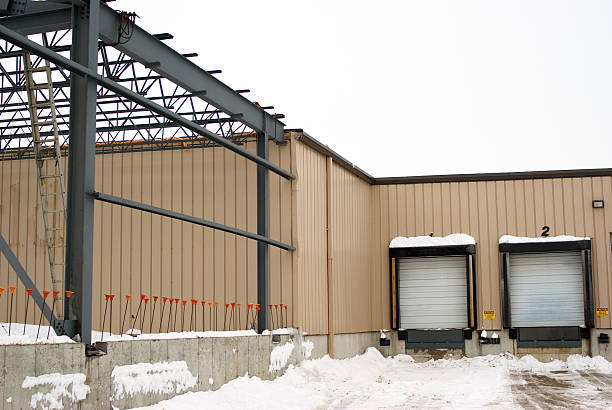
Emerging firms focus on prefab exports to Africa.technavio+1
Urbanization and Infrastructure Boom
Rapid city growth necessitates PEB for affordable housing, retail, and offices amid labor shortages. The Future of Pre-Engineered Steel Buildings in the Middle East supports Expo legacies and airport expansions with resilient, quick-erect structures.
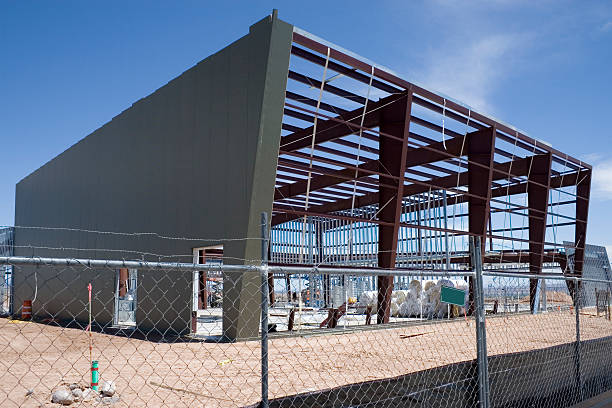
Government policies integrate PEB into national strategies.
Export and Supply Chain Evolution
Regional trade rises, with UAE/KSA hubs supplying GCC and beyond, leveraging port efficiencies. The Future of Pre-Engineered Steel Buildings in the Middle East optimizes flat-pack logistics for global reach, countering supply chain disruptions. Climate-adaptive designs become standard exports..
Challenges and Solutions
While skilled labor gaps persist, factory automation and training programs address them. The Future of Pre-Engineered Steel Buildings in the Middle East overcomes steel price volatility via hedging and local sourcing, ensuring steady growth.
Future Trends Overview
| Trend | Impact on PEB | Key Driver |
| BIM/Robotics | 30% material savings | UAE mandates . |
| Sustainability | Net-zero alignment | Vision 2030 |
| Modular Data Centers | Scalable digital infra . | Urban growth |
| Multi-Story Applications | Commercial expansion | Giga-projects |
| Export Hubs | UAE/Dubai leadership | Regional trade |
| Smart Sensors | Predictive maintenance | IoT integration |
Investment Opportunities
USD billions in prefab pour into factories and tech, attracting FDI for robotics and green steel. The Future of Pre-Engineered Steel Buildings in the Middle East offers high returns for innovators in NEOM-scale modules.
Conclusion
The Future of Pre-Engineered Steel Buildings in the Middle East is brighter than ever, powering sustainable megacities with smart, efficient steel solutions. From NEOM modules to Dubai exports, PEBs redefine construction. The Future of Pre-Engineered Steel Buildings in the Middle East heralds a modular, resilient era through 2030 and beyond.
Frequently Asked Questions (FAQ)
What growth rate for MEA PEB market?
5.5-13% CAGR to USD 3.73B by 2031.
How do PEBs fit NEOM?
Modular villas, hotels, and worker camps for speed and scale..
Role of BIM in future PEBs?
Mandated for precision, automation, and error reduction.
Sustainability edge of PEBs?
Low-waste steel, insulation for 40% energy savings.
Top export hubs?
Dubai/UAE, Turkey to KSA/Africa.
Multi-story PEB feasibility?
Yes, for offices/schools with advanced bracing.