
Advantages of Pre-Engineered Buildings Compared to Conventional Construction
Pre-engineered buildings (PEBs) offer transformative efficiency over traditional construction methods through factory precision and rapid assembly.
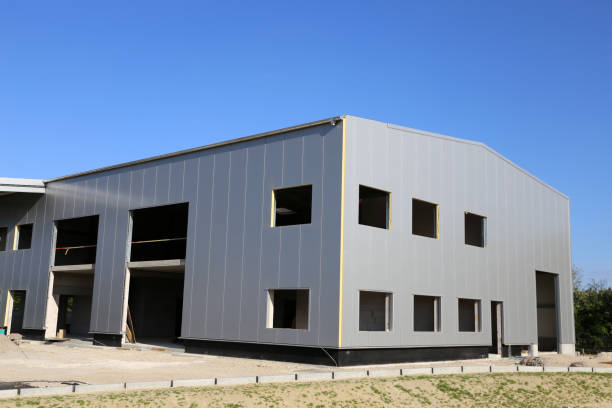
Advantages of Pre-Engineered Buildings Compared to Conventional Construction deliver unmatched speed, cost savings, and durability for Middle East industrial projects. Advantages of Pre-Engineered Buildings Compared to Conventional Construction make them the preferred choice for warehouses, factories, and commercial facilities across UAE, Saudi Arabia, and GCC regions.
Accelerated Construction Speed
PEBs complete in 50-70% less time, often 6-8 weeks versus 6-12 months for conventional builds. Advantages of Pre-Engineered Buildings Compared to Conventional Construction stem from parallel factory fabrication and site preparation, eliminating weather delays prevalent in desert climates.
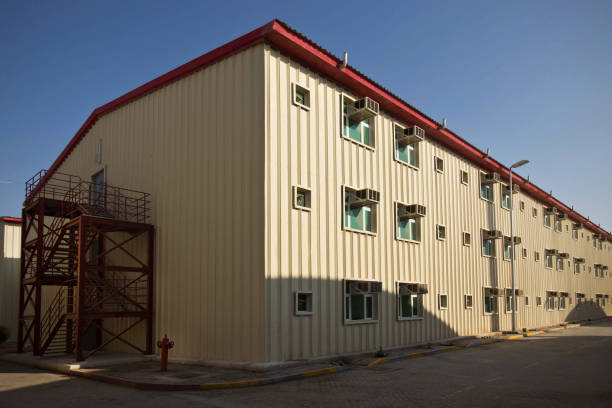
Businesses achieve faster ROI through early occupancy and operations.
Dramatic Cost Efficiency
Overall project costs drop 30-50% due to optimized steel usage and minimal labor. Advantages of Pre-Engineered Buildings Compared to Conventional Construction include lighter structures requiring 20-40% cheaper foundations and reduced material waste from field fabrication.
Long-term savings compound through lower maintenance and energy bills.
Factory-Quality Precision
Controlled manufacturing environments ensure millimeter accuracy unattainable in on-site conventional work. Advantages of Pre-Engineered Buildings Compared to Conventional Construction feature rigorous quality testing of every beam, column, and connection per ASTM/AISC standards.
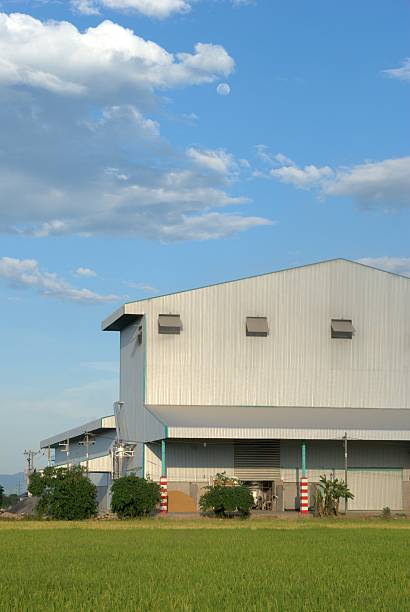
This precision yields structures with superior load-bearing capacity and longevity.
Flexible Design Capabilities
Advanced BIM software enables unlimited customization from clear-span warehouses to multi-story offices. Advantages of Pre-Engineered Buildings Compared to Conventional Construction allow seamless integration of cranes, mezzanines, HVAC, and insulated panels without costly redesigns. High ceilings and ventilation optimize Middle Eastern thermal performance
Minimal Site Impact
Off-site production drastically cuts construction noise, dust, and traffic around active sites.
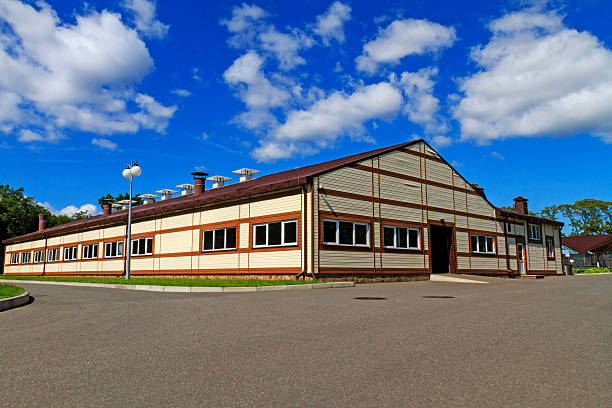
Advantages of Pre-Engineered Buildings Compared to Conventional Construction limit fieldwork to bolt-together assembly, maintaining business continuity near urban logistics hubs like Jebel Ali or King Abdullah Port. Adjacent operations face virtually no disruption.
Enhanced Worker Safety
Pre-drilled components and lighter lifts reduce accidents by 60-80% compared to welding-heavy conventional methods. Advantages of Pre-Engineered Buildings Compared to Conventional Construction eliminate hot work, scaffolding risks, and heavy masonry handling on-site. Structures inherently provide better fire resistance through intumescent coatings.
Environmental Sustainability
PEBs consume 30% less steel through optimized engineering, slashing embodied carbon footprints. Advantages of Pre-Engineered Buildings Compared to Conventional Construction minimize construction waste (under 5% vs 20-30%) and align with Saudi Vision 2030 green building mandates. Recyclable materials and rapid timelines reduce overall environmental impact.
Seamless Future Expansion
Modular bolt-on design permits additions without core structure demolition or redesign. Advantages of Pre-Engineered Buildings Compared to Conventional Construction support phased growth for expanding manufacturers, unlike rigid concrete frames requiring extensive retrofits.
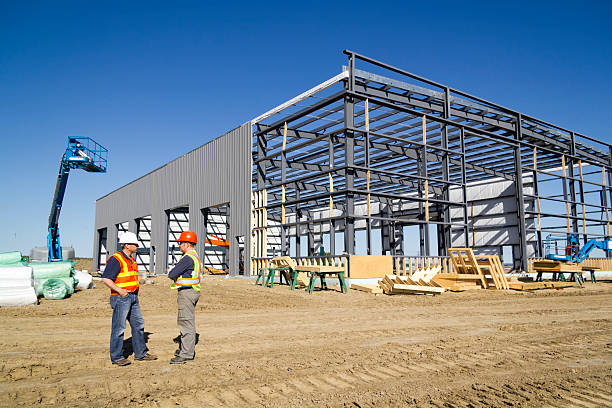
This scalability matches rapid GCC industrialization.
Superior Durability Performance
Galvanized coatings and high-strength steel deliver 40-50 year service life with minimal upkeep. Advantages of Pre-Engineered Buildings Compared to Conventional Construction resist corrosion, sand abrasion, and thermal expansion better than masonry or poured concrete in harsh desert conditions. Warranties often exceed conventional guarantees.
Advanced Structural Resilience
Engineered frames excel in seismic zones and high-wind areas with flexible bracing systems. Advantages of Pre-Engineered Buildings Compared to Conventional Construction meet stringent UAE/Saudi building codes through computer-modeled load paths. Lighter weight paradoxically enhances earthquake performance over massive conventional buildings.
Comprehensive Performance Metrics
| Category | PEB Superiority | Conventional Limitation |
| Timeline | 6-8 weeks total | 6-12 months |
| Cost Savings | 30-50% lower | High labor/material overhead |
| Quality Control | Factory ±1mm precision | Field variability ±10mm |
| Waste Generation | <5% of materials | 20-30% on-site scraps |
| Energy Efficiency | R-30+ insulation standard | Variable, often R-19 max |
| Seismic Performance | Flexible frame absorption | Brittle concrete failure risk |
Optimized Logistics Chain
Flat-packed components ship efficiently worldwide, with UAE/KSA factories enabling 2-4 week delivery. Advantages of Pre-Engineered Buildings Compared to Conventional Construction bypass port congestion issues plaguing bulk material imports. Local fabrication by firms like Zamil eliminates currency risks and duties.
Energy Performance Excellence
Integrated insulation and airtight envelopes achieve 40% better thermal efficiency than conventional walls. Advantages of Pre-Engineered Buildings Compared to Conventional Construction reduce HVAC loads critical for Middle East cooling demands, slashing operational costs by thousands annually per facility.
Conclusion
The compelling Advantages of Pre-Engineered Buildings Compared to Conventional Construction redefine efficient building in the world’s fastest-growing construction market. From Zamil factories to Dubai logistics parks, PEBs deliver unmatched value. Advantages of Pre-Engineered Buildings Compared to Conventional Construction position them as essential for Middle East’s industrial future.
Frequently Asked Questions (FAQ)
How exactly are PEBs 50% faster?
Factory fabrication runs parallel to site work; assembly uses bolts vs. weeks of concrete curing.
What drives the 30-50% cost advantage?
Less steel (optimized sections), 70% less labor, minimal waste, simpler foundations.
Are PEBs suitable for aesthetic projects?
Yes, cladding mimics brick/stone; interiors rival conventional finishes with less cost.
How do they perform in 50°C desert heat?
Reflective coatings + R-30 insulation cut cooling costs 40% vs. traditional builds.
Can existing PEBs expand easily?
100%—new bays bolt directly to original frame without demolition.
What’s the structural warranty?
Typically 40 years on main frame; 20 years on secondary members.