
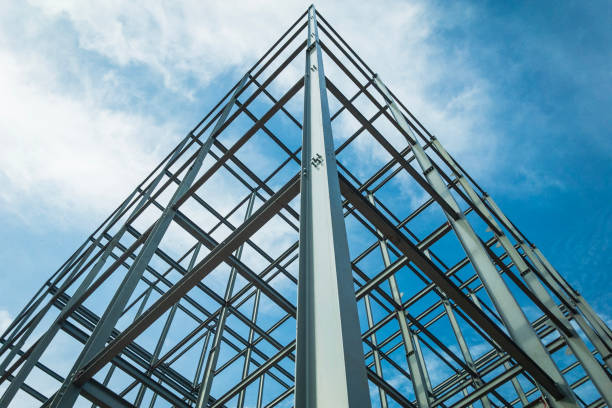
PEB vs Conventional Steel Buildings: Which One Is Better?
Choosing the right construction system is a critical decision for any industrial or commercial project.
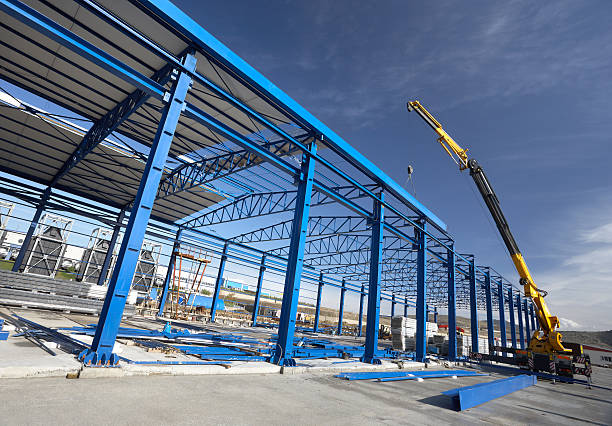
With rising material costs, tight deadlines, and the need for long-term performance, decision-makers often find themselves comparing PEB vs conventional steel buildings.
Both systems rely on steel as a primary material, but they differ significantly in design philosophy, construction process, cost efficiency, and flexibility.
Understanding these differences is essential to selecting the most suitable solution for your project.
This article provides a clear, practical comparison to help you determine which system delivers better value and performance.
Conventional Steel Structure
A conventional steel structure is built using steel sections that are fabricated, modified, and assembled largely on-site.
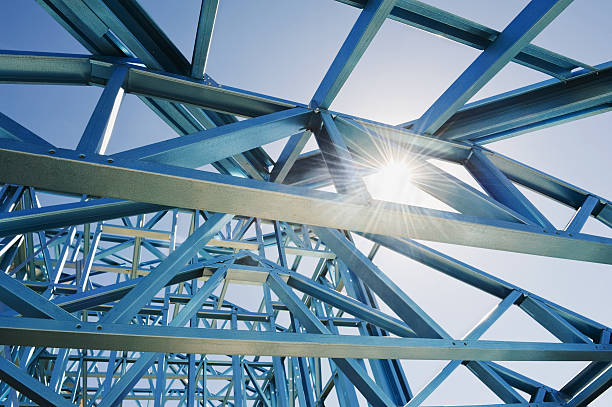
In this approach, beams and columns are often cut, welded, and adjusted during construction to fit the project requirements.
While this method has been used for decades, it relies heavily on skilled labor and extensive on-site work, which can increase complexity and the risk of delays.
Conventional steel buildings are commonly used in projects where designs are highly customized and where construction timelines are less critical.
However, because many decisions and adjustments happen during construction, conventional steel structures often face challenges related to quality consistency, material waste, and cost control.
When comparing PEB vs conventional steel buildings, this traditional approach is generally less predictable in terms of schedule and budget.
Get expert consultation for your steel project by calling:
📞 +963 935 474 904
PEB Construction Time
One of the most significant differences in the comparison of PEB vs conventional steel buildings is construction time.
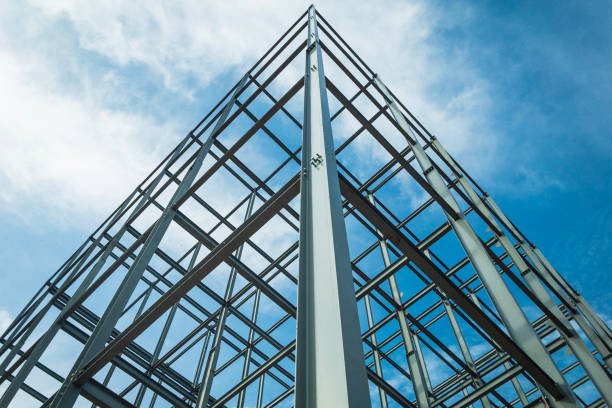
Pre-engineered buildings are designed and fabricated in a factory environment before arriving on-site.
This means that while site preparation and foundation work are underway, the building components are already being manufactured.
As a result, PEB construction time is significantly shorter than that of conventional steel buildings.
On-site assembly is faster because components are delivered ready to install, using bolted connections instead of extensive welding.
This speed is especially valuable for industrial projects where delays can impact production schedules and revenue.
In contrast, conventional steel structures often require longer construction periods due to on-site fabrication, weather interruptions, and coordination challenges.
Steel Building Comparison
A direct steel building comparison highlights the core differences between the two systems.
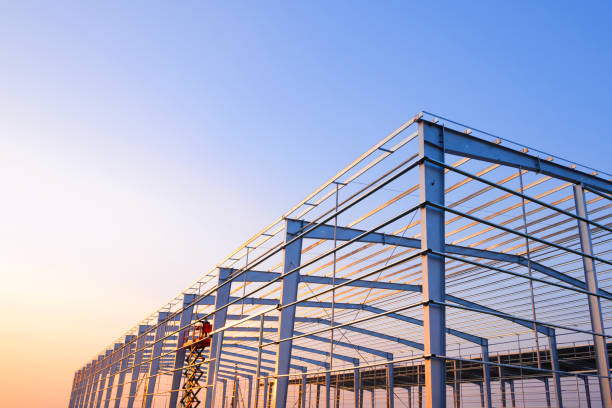
Pre-engineered buildings follow a system-based approach, where every component is designed to function as part of an integrated structure.
This results in optimized material usage, consistent quality, and streamlined installation.
Conventional steel buildings, on the other hand, rely on standard steel sections that may not be optimized for the specific loads and spans of the project.
This often leads to heavier structures and increased material usage.
From a performance perspective, both systems can meet safety and structural requirements, but pre-engineered buildings typically achieve this with greater efficiency.
When evaluating PEB vs conventional steel buildings, the systemized nature of PEB solutions gives them a clear advantage in modern construction environments.
Looking for a reliable solution for your project? Contact us now at:
☎️ +963 935 474 904
Cost Efficiency Steel Buildings
Cost is often the deciding factor in choosing between PEB vs conventional steel buildings.
Pre-engineered buildings are known for their cost efficiency due to optimized steel usage, reduced labor requirements, and shorter construction timelines.
Because the design is optimized through engineering software, steel is used only where it is structurally necessary, minimizing waste.
In conventional steel construction, higher labor costs, longer project durations, and increased material usage can significantly raise overall expenses.
Additionally, unexpected changes during construction often lead to cost overruns.
When evaluating cost efficiency steel buildings, it is important to consider not only the initial construction cost but also long-term maintenance and operational expenses.
Pre-engineered buildings generally provide better lifecycle value, making them a more cost-effective choice for industrial and commercial projects.
Also learn about What Are Pre-Engineered Buildings (PEB)?
Design Flexibility PEB
A common misconception is that pre-engineered buildings lack design flexibility.
In reality, design flexibility PEB systems is one of their strongest advantages.
Modern PEB solutions can be customized to meet a wide range of functional and architectural requirements.
From clear-span interiors and high ceilings to façade treatments and future expansion options, PEB systems offer impressive adaptability.
Conventional steel buildings can also be customized, but changes often require significant on-site modifications, which can increase time and cost.
Pre-engineered buildings are designed with modularity in mind, allowing for easier expansion and reconfiguration as business needs evolve.
This flexibility makes PEB systems particularly suitable for growing industrial facilities and dynamic commercial environments.
Performance and Durability Comparison
When comparing PEB vs conventional steel buildings, performance and durability are critical considerations.
Both systems use steel, which offers excellent strength and resistance to environmental conditions.
However, pre-engineered buildings benefit from precise engineering and factory-controlled fabrication, resulting in consistent quality and reliable performance.
Pre-engineered buildings are designed to withstand specific loads, including wind, seismic activity, and operational stresses.
Their optimized design reduces unnecessary weight while maintaining structural integrity.
Conventional steel structures can also achieve high durability, but the variability of on-site fabrication can affect consistency.
For projects requiring predictable performance and long service life, PEB systems often provide a more reliable solution.
Project Management and Risk Control
Another important aspect of the PEB vs conventional steel buildings comparison is project management.
Pre-engineered building projects follow a clearly defined workflow, from design and fabrication to delivery and assembly.
This clarity reduces coordination issues and minimizes risks related to scheduling and budgeting.
Conventional steel projects typically involve multiple subcontractors and extended on-site activities, increasing the risk of delays and miscommunication.
For developers and industrial owners seeking controlled execution and reduced project risk, pre-engineered buildings offer a more streamlined and predictable process.
Sustainability and Material Efficiency
Sustainability is becoming an increasingly important factor in construction decisions.
Pre-engineered buildings support sustainable practices by minimizing material waste and using recyclable steel efficiently.
Factory fabrication allows precise cutting and reuse of materials, reducing environmental impact.
Conventional steel construction often generates more waste due to on-site cutting and modifications.
When considering long-term environmental responsibility, pre-engineered buildings align better with modern sustainability goals.
This advantage further strengthens the case for PEB systems in the PEB vs conventional steel buildings debate.
Our technical team is ready to assist you. Call us at:
📲 +963 935 474 904
Which One Is Better?
The answer to whether PEB vs conventional steel buildings is better depends on project priorities.
For projects that require speed, cost control, scalability, and predictable performance, pre-engineered buildings clearly stand out.
They are particularly well-suited for industrial facilities, warehouses, logistics centers, and large commercial buildings.
Conventional steel structures may still be appropriate for highly specialized projects where unique architectural requirements outweigh concerns about time and cost.
However, for most modern industrial and commercial applications, pre-engineered buildings deliver superior value and efficiency.
Conclusion
The comparison of PEB vs conventional steel buildings reveals clear differences in construction time, cost efficiency, design flexibility, and overall project control.
While both systems have their place in the construction industry, pre-engineered buildings offer a more advanced, reliable, and future-ready solution for today’s demanding projects.
By combining optimized engineering, reduced construction time, and long-term cost efficiency, PEB systems have become the preferred choice for many industrial and commercial developments.
For decision-makers seeking smarter steel construction, pre-engineered buildings are not just an alternative—they are the better option.
For inquiries or quotations, please contact us at:
📞 +963 935 474 904