

How Steel Structure Companies In Syria Innovate
The steel construction industry is undergoing a massive transformation in 2026.
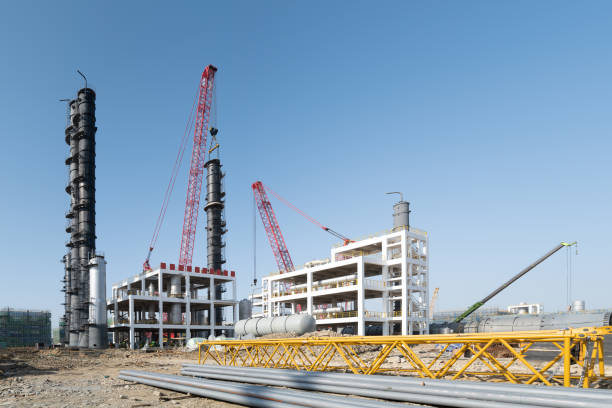
Steel structure companies in syria are no longer just builders; they are becoming technology-driven engineering organizations that rely on data, automation, and smart systems to deliver faster and more efficient projects.
Innovation is now the main competitive factor that separates average companies from global leaders.
The demand for smarter, greener, and more cost-efficient buildings has pushed these companies to adopt advanced construction methods that reduce time, improve safety, and maximize structural performance.
This shift is reshaping the entire global construction landscape.
Modern Steel Building Technologies
Modern Steel Building Technologies are the foundation of innovation in today’s construction industry.

Steel structure companies are using cutting-edge systems that completely redefine how buildings are planned and executed.
Modern technologies are not limited to machines; they include digital ecosystems that connect design, engineering, and manufacturing in one workflow.
Key modern technologies include:
- Building Information Modeling (BIM) for full 3D project visualization
- Cloud-based engineering systems for real-time collaboration
- Automated fabrication lines with robotic precision
- High-performance steel alloys designed for extreme durability
- Prefabricated structural systems for faster installation
These technologies significantly reduce human error and material waste.
Instead of traditional trial-and-error construction, engineers now simulate entire buildings digitally before a single steel beam is produced.
As a result, steel structure companies can now deliver projects up to 40% faster compared to traditional methods while maintaining higher safety standards and precision.
Smart Design in Steel Structures
Smart Design in Steel Structures represents a new era of engineering where data and intelligence guide every decision.

Instead of relying only on manual calculations, engineers now use advanced software to optimize every structural element.
Smart design is not just about aesthetics—it is about performance, efficiency, and long-term sustainability.
Core elements of smart design include:
- Structural load optimization based on real-world data
- Wind and earthquake resistance simulations
- Energy-efficient architectural integration
- Flexible building layouts for future expansion
- Lightweight design strategies to reduce material usage
One of the biggest advantages of smart design is adaptability.
Steel structures can now be designed to change over time, allowing buildings to expand or modify their function without major reconstruction.
This approach helps businesses reduce long-term costs while ensuring that buildings remain functional for decades.
It also supports sustainability by minimizing unnecessary material usage.
Advanced Fabrication Techniques Used
Advanced Fabrication Techniques Used in steel structure companies are one of the most important reasons behind the industry’s rapid growth.
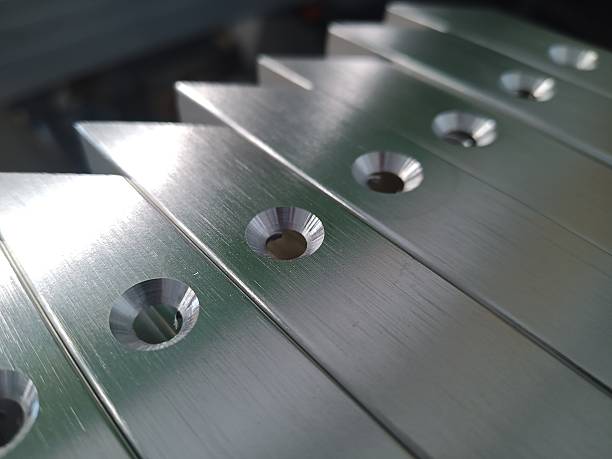
Fabrication is no longer a manual-heavy process; it is now highly automated, precise, and digitally controlled.
Modern fabrication facilities operate like smart factories where machines and software work together seamlessly.
Most advanced techniques include:
- CNC laser cutting for extreme precision in steel components
- Robotic welding systems for uniform joint quality
- Automated drilling and shaping machines
- Modular prefabrication of complete structural sections
- Real-time quality inspection using sensors and AI
These techniques allow companies to produce steel components with near-perfect accuracy.
Even complex architectural designs can now be manufactured without delays or structural inconsistencies.
Another major benefit is speed. Fabrication that once took weeks can now be completed in days, dramatically reducing project timelines.
Additionally, automation improves worker safety by minimizing direct exposure to heavy machinery and hazardous environments.
Digital Tools in Steel Construction
Digital Tools in Steel Construction have completely transformed how projects are managed, executed, and delivered.
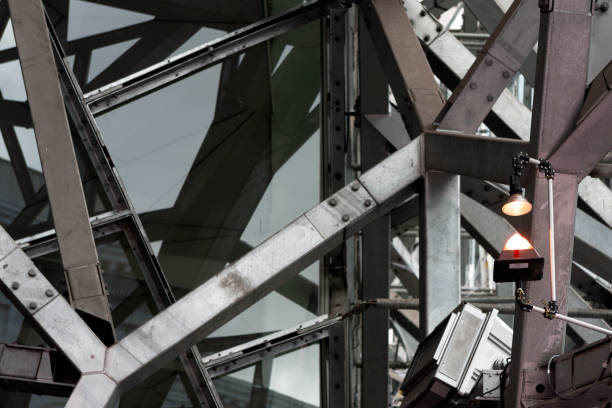
Today’s steel structure companies rely heavily on digital ecosystems to coordinate every phase of construction.
Digital transformation is not optional anymore—it is a necessity for competing in the global market.
Essential digital tools include:
- 3D modeling and simulation software for design accuracy
- Structural analysis tools for load testing and safety validation
- Project management platforms for real-time progress tracking
- Cloud collaboration systems for global engineering teams
- AI-based predictive tools for risk management
These tools allow engineers, architects, and contractors to work together in real time, even from different countries.
This level of coordination reduces miscommunication and ensures smoother project execution.
Another major advantage is predictive analysis.
Digital tools can now identify potential structural issues before construction begins, preventing costly mistakes and delays.
The use of digital systems also improves transparency, allowing clients to track progress and make informed decisions throughout the project lifecycle.
Statistics: Innovation in Steel Structure Industry 2026
| Metric | Data |
| Adoption of BIM technology | 88% of companies |
| Use of automation in fabrication | 75% |
| Reduction in project delays | 35–45% |
| Use of digital project tools | 92% |
| Growth in smart steel design usage | 60% increase |
These statistics clearly show that innovation is not just a trend—it is the new standard in the steel construction industry.
Companies that fail to adopt these technologies risk falling behind in a highly competitive global market.
Frequently Asked Questions (FAQ)
Q1: How are steel structure companies innovating today?
A1: They are using digital engineering, automation, smart design systems, and advanced fabrication technologies to improve efficiency and quality.
Q2: What is the biggest innovation in steel construction?
A2: The integration of BIM, AI, and automation in both design and manufacturing processes.
Q3: Are modern steel structures more cost-effective?
A3: Yes, because they reduce waste, shorten construction time, and require less maintenance.
Q4: What role does digital technology play in steel construction?
A4: It improves design accuracy, project management, collaboration, and risk prediction.
Q5: Will steel construction become fully automated?
A5: While full automation is not yet possible, most fabrication and design processes are already highly automated.