
Steel Structure Cost: Top 10 Factors Determining the Final Price
Steel Structure Cost: Top 10 Factors Determining the Final Price directly influences project feasibility, profitability, and long-term value in construction decisions worldwide.

Understanding these elements empowers engineers, contractors, and clients to optimize budgets without sacrificing quality or safety. Steel Structure Cost: Top 10 Factors Determining the Final Price varies by location, scale, and specifications, making informed planning essential for success.
What is Meant by “Steel Structure Cost” Exactly?
Steel Structure Cost: Top 10 Factors Determining the Final Price begins with defining “steel structure cost” as the total expenditure for designing, fabricating, delivering, erecting, and finishing metal frameworks for buildings, bridges, or industrial facilities.
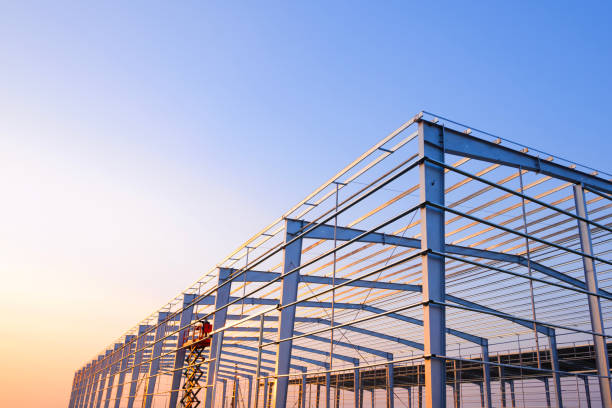
This encompasses raw steel tonnage at market rates (typically $800-1500 per ton), plus engineering fees (5-10% of total), fabrication labor, coatings, and ancillary expenses like cranes and foundations.
Unlike lump-sum bids, it breaks down into direct costs (materials 40-60%) and indirects (overheads, profit margins 15-25%).
Clients often confuse it with just steel weight, but true Steel Structure Cost: Top 10 Factors Determining the Final Price includes value-added processes like CNC cutting, welding inspections, galvanizing, and compliance certifications per AISC or local codes. Soft costs—permits, site prep, insurance—add 10-20%, while contingencies (5-10%) buffer uncertainties like steel price volatility tied to global supply chains.
Accurate estimation uses tools like RSMeans data or historical bids, factoring regional multipliers (e.g., 1.2x in remote areas).
Breakdowns reveal steel at 30-50%, erection 20-30%, transport 5-15%, and finishes 10-20%. Lifecycle costing extends this to maintenance, where corrosion-resistant options reduce 20-year ownership by 15%. Steel Structure Cost: Top 10 Factors Determining the Final Price thus demands holistic accounting, from bid to occupancy, ensuring transparency and dispute avoidance.
read: Fire-Rated Steel Buildings: Standards, Materials & Best Practices
Impact of Sea/Site/Span/Height on Price (Span & Height)
Steel Structure Cost: Top 10 Factors Determining the Final Price hinges on span and height, as longer clear spans (over 30m) demand deeper trusses or arched rafters, escalating steel weight by 20-50% via cubic exponentiation—cost scales roughly with span^1.5.
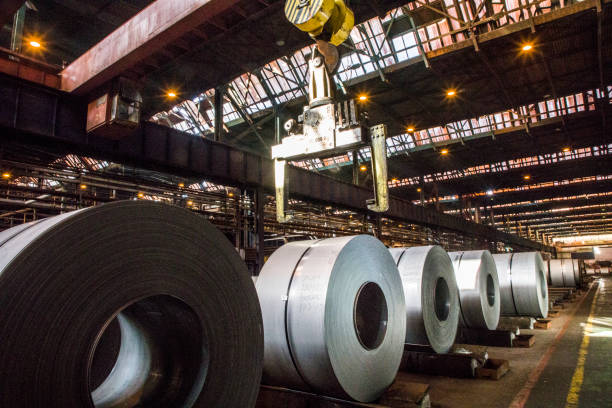
Short spans (6-12m) suit economical portal frames, while 50m+ spans require moment-resisting bases, adding 30% premium for stiffeners and thicker plates.
Height amplifies wind/seismic loads exponentially (per ASCE 7 height-exposure factors), necessitating heavier bracing or outriggers—each 10m rise boosts tonnage 10-15%, plus foundation uplift resistance.
Site factors like coastal “sea” exposure mandate marine-grade steels (e.g., S355J2W) and thicker galvanizing (100+ microns), inflating costs 25-40% over inland dry sites due to chloride corrosion acceleration.
Terrain slope or soft soils require piled foundations, doubling base costs. Urban sites add crane oversize permits (5-10% extra). In Steel Structure Cost: Top 10 Factors Determining the Final Price, parametric modeling in STAAD predicts these: a 40x20m single-story at 10m height might cost $120/sqm, versus $200/sqm for 60m span at 20m. Optimization via haunched rafters shaves 10-15%. Clients save by standardizing spans to prefab catalogs.
Steel Weight (Tonnes) and How It’s Calculated for the Project
Steel Structure Cost: Top 10 Factors Determining the Final Price revolves around steel weight in tonnes, priced at current mill rates plus 10-20% fab markup, forming 40-60% of total outlay.
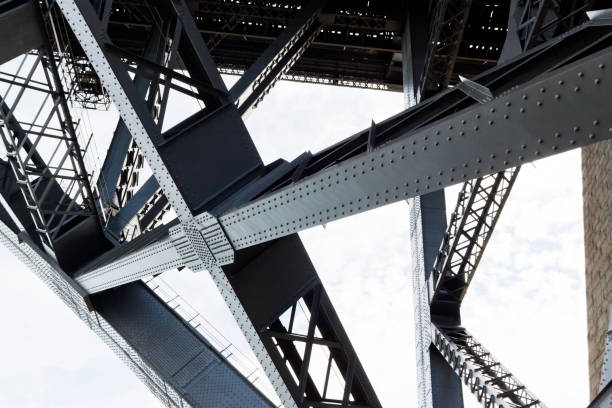
Calculation starts with conceptual takeoffs: gross area x empirical kg/sqm (50-100 for low-rise warehouses, 150+ for high-rises), refined via 3D modeling in Tekla extracting net weights post-holes/copes.
Loads dictate: high seismic zones upsize members 20% for ductility; snow/wind adds bracing tonnage 15-25%.
Software auto-computes: beams via plastic modulus Zp = M/0.9fy, columns from Pu/φPn. Waste factor 5-10% accounts for ends/cutoffs. For a 2000sqm warehouse, expect 40-60 tonnes (20-30kg/sqm); multi-story doubles to 80kg/sqm.
Density (7850kg/m³) x volumes yield precise tonnes, verified by fabricator quotes. Steel Structure Cost: Top 10 Factors Determining the Final Price uses unit rates: $1000/tonne base, +$200 galvanized. Volatility (e.g., 2025 surges 15%) triggers escalation clauses. Clients verify via independent audits, optimizing via lighter high-strength steels (S460 vs S235, saving 20% weight).
read: Industrial Steel Buildings: Best Solutions for Warehouses & Factories
Finishes and Protection (Painting/Galvanizing/Insulation) and Their Cost Impact
Steel Structure Cost: Top 10 Factors Determining the Final Price surges with finishes: basic red oxide primer ($2-5/sqm) suits indoors, but galvanizing (hot-dip 85µm, $150-250/tonne) triples coastal longevity to 50+ years, recouping via 30% lower maintenance. Multi-coat epoxy/intumescent ($10-30/sqm) adds fire ratings (R60), mandatory for insured facilities.
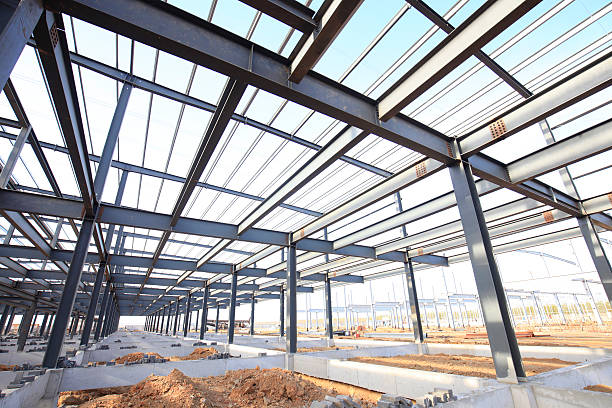
Insulation—fiberglass/quilted mineral wool ($15-40/sqm)—cuts HVAC 25%, with vapor barriers preventing condensation. Acoustic panels add $20/sqm.
Impact: finishes claim 15-25% budget; skipping galvanizing risks $50k repairs on 100t structure. Steel Structure Cost: Top 10 Factors Determining the Final Price benchmarks: painted 10% total, full protection 20%.
Application methods matter: shop-galvanized halves field work; powder-coating suits architectural. Sustainability premiums (low-VOC paints) add 5-10%. Lifecycle ROI favors protection: galvanized saves $0.50/sqm/year vs repaints. Specify per ISO 12944 C5M for harsh environs.
Transportation, Erection, and Cranes: Costs People Often Overlook
Steel Structure Cost: Top 10 Factors Determining the Final Price balloons 10-25% from overlooked logistics: transport $50-150/tonne (flatbeds $5/km, escorts for oversize >4.3m wide), site access dictating disassembly (adding 15% fab joints).
Remote sites double via lowboys; ports halve import steel but add duties.
Erection labor $30-60/manhour, 20-40mh/tonne (bolted faster than welded), spans crane capacity—200t crawler $5k/day, mobile $2k/shift. Phased lifts for tall structures multiply setups.
Overlooks: mobilization 5%, weather delays 10% (rain halts bolting). Steel Structure Cost: Top 10 Factors Determining the Final Price includes sequencing: pre-assemble portals offsite slashing 30%.
Insurance (1-2% value), temp bracing, and safety scaffolding add up. Optimize: nest members for trucks, bolt-on-site. Total logistics 20-30% for urban, 40% remote—bid firmly.
Steel Structure Cost: Top 10 Factors Determining the Final Price demands vigilant budgeting across design, materials, and execution phases. Steel Structure Cost: Top 10 Factors Determining the Final Price unlocks savings through standardization, early procurement, and expert partnerships.
Frequently Asked Questions (FAQ)
What exactly comprises Steel Structure Cost: Top 10 Factors Determining the Final Price?
Raw steel, fab, transport, erection, finishes, engineering, foundations, permits, and contingencies.
How does span impact Steel Structure Cost: Top 10 Factors Determining the Final Price?
Longer spans exponentially increase truss depth and tonnage, adding 20-50% premium.
Why calculate steel weight precisely in Steel Structure Cost: Top 10 Factors Determining the Final Price?
It’s 40-60% of budget; models extract net tonnes for accurate quoting and optimization.
Do finishes justify cost hikes in Steel Structure Cost: Top 10 Factors Determining the Final Price?
Yes, galvanizing/insulation extend life 2-3x, slashing lifecycle expenses 20-30%.
Why overlook transport in Steel Structure Cost: Top 10 Factors Determining the Final Price?
It hits 10-25% silently; site remoteness and crane specs multiply overlooked charges.