
Erection Method Statement: Practical Model for Lifting and Installing Steel Structures
Erection Method Statement: Practical Model for Lifting and Installing Steel Structures provides a systematic, safety-focused blueprint essential for steel construction projects of any scale.
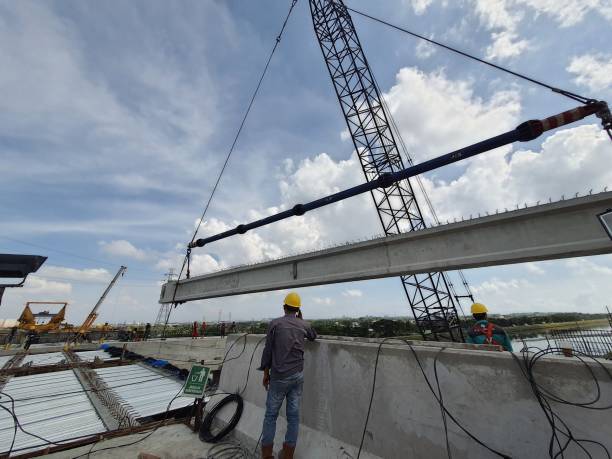
This document ensures crews execute lifts and assembly with precision, minimizing risks and delays while meeting codes like OSHA and AISC standards.
Erection Method Statement: Practical Model for Lifting and Installing Steel Structures guarantees compliance, quality, and on-schedule handover.
What is the Method Statement and Why is it Necessary in Projects?
Erection Method Statement: Practical Model for Lifting and Installing Steel Structures defines a Method Statement as a detailed, site-specific document outlining sequential steps, resources, hazards, and controls for high-risk tasks like steel erection.
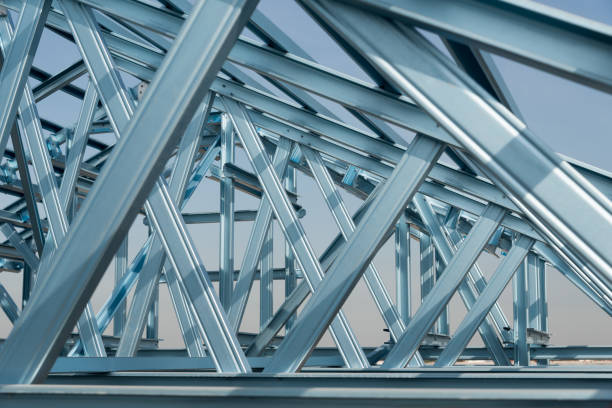
It serves as the contractor’s commitment to safe execution, bridging risk assessments with daily operations by specifying personnel qualifications, PPE, equipment checks, and emergency protocols.
Without it, projects face HSE violations, rework costs up to 15%, and insurance denials.
Necessity stems from legal mandates (e.g., CDM Regulations, ISO 45001) requiring documented safe systems of work for activities involving cranes, heights, or heavy loads.
It fosters team alignment—foremen brief crews via toolbox talks—reducing miscommunication errors by 40%.
In Erection Method Statement: Practical Model for Lifting and Installing Steel Structures, it quantifies risks (e.g., overload via SWL calcs), prescribes mitigations (tag lines, signalmen), and logs inspections, enabling audits and claims defense.
Customization per phase—columns vs. roof—ensures relevance; revisions track changes like wind speed limits (20mph max lifts). Clients demand it for progress payments, proving diligence. Ultimately, this tool transforms complex erections into predictable successes.
Site Preparation Before Installation: Foundations, Anchor Bolts, and Materials
Erection Method Statement: Practical Model for Lifting and Installing Steel Structures mandates thorough site prep starting with foundation verification: survey levels within ±10mm tolerance, concrete cured 28 days, and holding-down bolts (M24-M30, Grade 8.8) torqued to 80% proof load with nuts backed off 3 threads
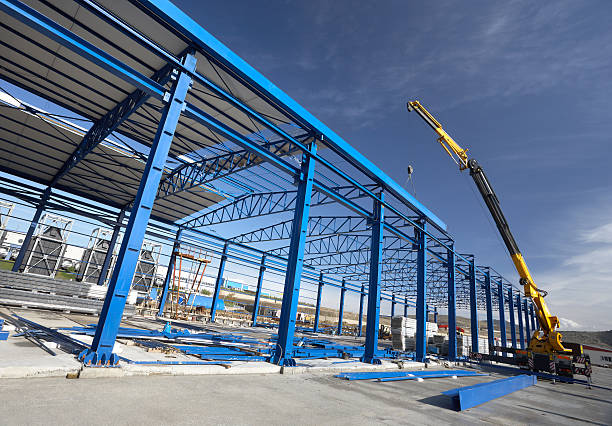
Anchor bolt templates align to grid (±5mm), projecting 4x diameter above slab, cleaned of debris and coated per spec (e.g., Denso tape).
Materials inspection precedes: check shop drawings against deliveries, verify steel grades (S355JR stamps), galvanizing thickness (85µm min), and bolt sets complete with shims/plates.
Segregate rejects; quarantine damaged items. In Erection Method Statement: Practical Model for Lifting and Installing Steel Structures, erect temp facilities—fencing, lighting (100 lux min), access roads graded for cranes (150t capacity), and welfare (toilets, briefing area).
Soil compaction tests (95% Proctor) confirm crane mats (500mm oak, 1m overlap). Utilities isolated; overhead lines grounded. Weather monitoring stations set (anemometers). Permits secured: crane, hot work if needed. This prep phase, spanning 1-2 weeks, prevents 70% of erection delays.
Erection Sequence Steps: Columns → Beams → Bracings → Purlins
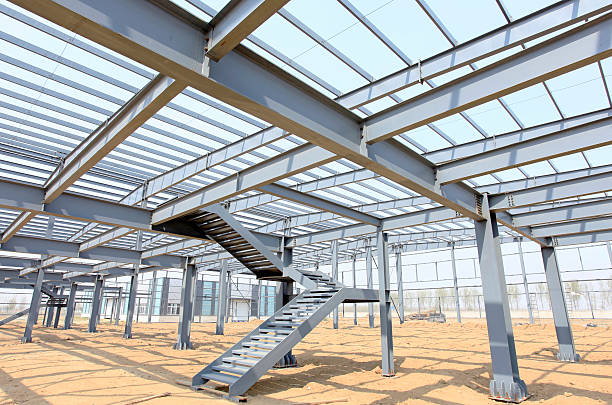
Erection Method Statement: Practical Model for Lifting and Installing Steel Structures dictates strict sequence: commence with corner columns, lifting via chokers at 60° incl (max 1.2x rigging SWL), signaling via radio to banksman.
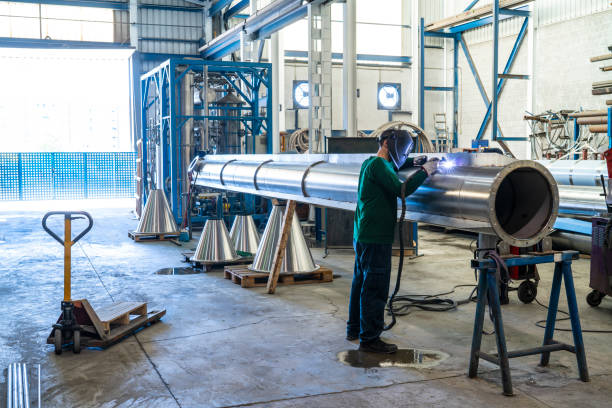
Plumb with 4 theodolites (±1:500), shim base plates, torque anchors progressively (snug, 30%, full load).
Next, install main beams: tag line controlled, land on temporary cleats, high-strength bolts (M20 A325) snug-tight per RCSC (turn-of-nut). Frame bays complete before crane repositions.
Bracings follow—diagonal rods/tubes tensioned post-grid stability (1% drift max)—using turnbuckles calibrated daily. Roof purlins/Zees clip on post-rafters, starting eaves-up with safety mesh below.
In Erection Method Statement: Practical Model for Lifting and Installing Steel Structures, phased lifts limit height exposure: ground assemble portals where possible. Bolts inspected 100% visually, 10% torque-checked. Night halts secure with guys. Full frame achieves 75% braced before cladding commences.
Alignment and Plumbness Control (Alignment & Plumbness) During Lifting
Erection Method Statement: Practical Model for Lifting and Installing Steel Structures enforces alignment via total station grids (±3mm cumulative), checking bay dimensions pre-bolting and post-bracing. Plumbness targets 1:400 full height (e.g., 12m column <30mm offset), measured optically from two baselines, corrected by jack posts or wedges without partial dismantling.

During lifts, dynamic checks: inclinometers on slings prevent overload twisting; GPS on crane hook tracks sway. Post-placement, laser levels scan frames for torsion. Wind/rain stops at 15m/s; resume post-inspection.
In Erection Method Statement: Practical Model for Lifting and Installing Steel Structures, drift pins aid initial fit-up, hydraulic jacks (50t) fine-tune.
Records log each reading with photos, signed off daily. Tolerances per BS 5950: L/1000 rotation. Corrective action: slacken opposites if bowed.
read: Fire-Rated Steel Buildings: Standards, Materials & Best Practices
Handover of Works and Final Inspections Before Delivery
Erection Method Statement: Practical Model for Lifting and Installing Steel Structures culminates in handover via punch list: independent surveyor verifies plumb (±1:600), levels, welds (MPI/UT 100% critical), bolts (dynamometer torque), and gaps (<5mm).
NDT reports, as-built surveys, and load tests (e.g., 1.25x DL deflection <L/360) compile into package.
Client walkthrough identifies snags; rectify within 48hrs.
O&M manuals issued: torque schedules, corrosion inspections. In Erection Method Statement: Practical Model for Lifting and Installing Steel Structures, HSE dossier closes with incident register (target zero LTIs).
Snagging <2% triggers retention release. Digital twins via drone scans archive geometry.
Erection Method Statement: Practical Model for Lifting and Installing Steel Structures streamlines steel erection into a safe, verifiable process.
Erection Method Statement: Practical Model for Lifting and Installing Steel Structures elevates project standards from foundation to final bolt.
Frequently Asked Questions (FAQ)
What defines a Method Statement in Erection Method Statement: Practical Model for Lifting and Installing Steel Structures?
Sequential safe work plan with risks, steps, and controls for compliance and training.
Why prep foundations in Erection Method Statement: Practical Model for Lifting and Installing Steel Structures?
Ensures anchor alignment/torque, preventing frame instability from day one.
Sequence priority in Erection Method Statement: Practical Model for Lifting and Installing Steel Structures?
Columns first for stability, then beams/braces/purlins to build redundancy progressively.
How control plumb during Erection Method Statement: Practical Model for Lifting and Installing Steel Structures?
Theodolites/lasers to ±1:400, with jacks and daily logs for corrections.
Final checks before handover in Erection Method Statement: Practical Model for Lifting and Installing Steel Structures?
Torque, NDT, surveys, and client punch list for defect-free delivery.
Related articles:
Industrial Steel Buildings: Best Solutions for Warehouses & Factories