
Fireproofing Steel Structures: When Required & Options
In modern construction, structural fire safety is not optional — it is a regulatory and operational necessity.
Understanding Fireproofing Steel Structures: When Required & Options is essential for protecting buildings, assets, and human lives.
While steel is non-combustible, it rapidly loses strength when exposed to high temperatures.
At approximately 550°C, structural steel can lose nearly half of its load-bearing capacity, increasing the risk of collapse during a fire event.
This is why Fireproofing Steel Structures: When Required & Options must be carefully evaluated during the design phase.
Fire protection is not only about meeting code requirements — it also impacts insurance approvals, building classification, and long-term risk management strategies.
From fire ratings to coating systems and inspection protocols, this guide explores everything you need to know about Fireproofing Steel Structures: When Required & Options to ensure compliance, safety, and performance.
When Fireproofing Is Required (Codes, Insurance, and Use Type)
When Fireproofing Is Required (Codes, Insurance, and Use Type)
Determining when protection is necessary is the first step in Fireproofing Steel Structures: When Required & Options.
Fireproofing requirements are typically defined by local building codes, international standards, occupancy classifications, and insurance risk assessments.
Buildings such as factories, commercial facilities, high-rise offices, and public assembly spaces often require specific fire resistance ratings.
The intended use of the structure plays a significant role in defining required protection levels.
Insurance providers may also impose fireproofing standards to reduce risk exposure and potential claims.
In some jurisdictions, industrial buildings storing flammable materials require enhanced structural fire protection.
Failure to comply with fire code requirements can result in project delays, penalties, or denied occupancy permits.
Understanding regulatory frameworks is critical when planning Fireproofing Steel Structures: When Required & Options in any construction project.
Fire Ratings Basics: 30/60/90/120 Minutes Explained
Fire Ratings Basics: 30/60/90/120 Minutes Explained
A key concept in Fireproofing Steel Structures: When Required & Options is understanding fire resistance ratings.
Fire ratings indicate the duration (in minutes) that a structural element can withstand fire exposure while maintaining its load-bearing function.
A 30-minute rating may be sufficient for small or low-risk buildings, while 60, 90, or 120-minute ratings are typically required for larger commercial or industrial facilities.
The rating does not mean the fire will stop after that time — it means the structural element is tested to maintain stability for that duration under standardized fire conditions.
Higher fire ratings generally require thicker coatings or more advanced protection systems.
Selecting the correct fire rating is essential to ensure compliance within Fireproofing Steel Structures: When Required & Options strategies.
Fireproofing Options: Intumescent Paint, Boards, and Sprays
Fireproofing Options: Intumescent Paint, Boards, and Sprays
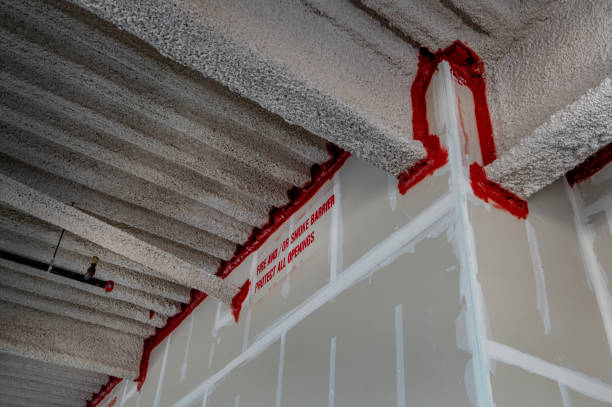
Choosing the right protection system is a central component of Fireproofing Steel Structures: When Required & Options.
There are three primary fireproofing methods used in steel construction.
Intumescent paint expands when exposed to high temperatures, forming an insulating char layer that protects the steel beneath. It is aesthetically appealing and commonly used in architectural applications where steel remains visible.
Fireproof boards (such as calcium silicate or gypsum-based systems) provide durable and impact-resistant protection.
They are often used in enclosed structural zones.
Spray-applied fire-resistive materials (SFRM) are cost-effective solutions for large industrial buildings, offering high fire ratings at lower installation costs.
Each system varies in cost, thickness, durability, and maintenance requirements.
Selecting the appropriate solution is critical in Fireproofing Steel Structures: When Required & Options.
Detailing Considerations: Connections, Penetrations, and Coating Compatibility
Detailing Considerations: Connections, Penetrations, and Coating Compatibility
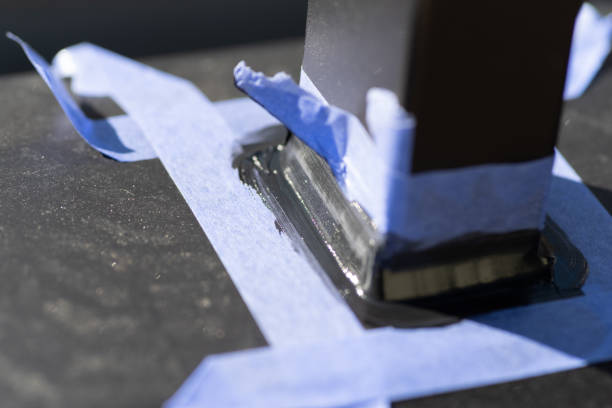
Proper detailing is often overlooked in Fireproofing Steel Structures: When Required & Options, yet it significantly impacts system effectiveness.
Structural connections, bolt assemblies, and weld joints must receive continuous protection to avoid weak points.
Penetrations for mechanical, electrical, and plumbing systems must be carefully sealed to prevent fire spread.
Even small gaps can compromise fire resistance integrity.
Compatibility between fireproof coatings and corrosion protection systems must also be verified.
Certain primers or galvanized surfaces may require special preparation before fireproofing application.
Thickness control and uniform application are critical for achieving certified fire ratings.
Attention to detailing ensures reliable performance within Fireproofing Steel Structures: When Required & Options frameworks.
Inspection & Maintenance: Keeping Fire Protection Effective
Inspection & Maintenance: Keeping Fire Protection Effective
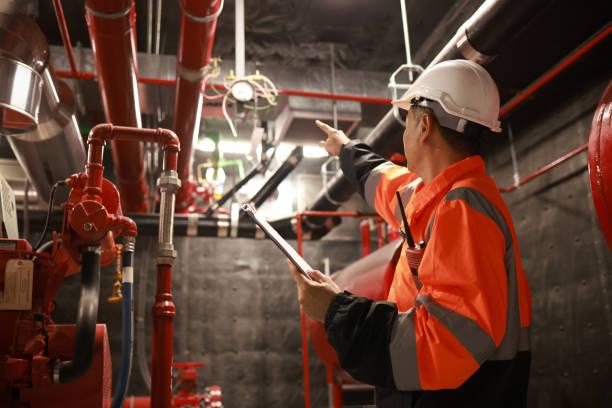
Long-term performance is a major factor in Fireproofing Steel Structures: When Required & Options.
Fireproofing systems must be inspected periodically to ensure continued effectiveness.
Damage from impact, moisture, vibration, or modifications can reduce fire resistance performance.
Routine inspections should verify coating thickness, adhesion, and surface condition.
Maintenance programs should include repair of chipped coatings, resealing of penetrations, and verification of system integrity after renovations.
Building owners should maintain documentation of fireproofing certifications and inspection records for regulatory compliance.
Sustained inspection and maintenance are essential to preserving compliance in Fireproofing Steel Structures: When Required & Options strategies.
Fire Protection Performance Overview
| Fire Rating | Typical Application | Common Protection Method | Performance Goal |
| 30 Minutes | Low-Risk Storage | Thin Intumescent Coating | Basic Structural Stability |
| 60 Minutes | Commercial Buildings | Intumescent / Spray | Moderate Protection |
| 90 Minutes | Industrial Facilities | Spray / Board Systems | Enhanced Safety |
| 120 Minutes | High-Risk & Public Buildings | Thick Spray / Board | Maximum Structural Integrity |
This table supports informed decision-making when planning Fireproofing Steel Structures: When Required & Options.
Frequently Asked Questions (FAQ)
Q1: Why does steel need fireproofing if it is non-combustible?
Because steel loses strength at high temperatures and may fail structurally during a fire.
Q2: How is the required fire rating determined?
It is defined by building codes, occupancy type, and risk classification.
Q3: What is the most aesthetic fireproofing option?
Intumescent paint is commonly preferred for exposed architectural steel.
Q4: How often should fireproofing systems be inspected?
Typically annually, and after any structural modification.
Q5: Does fireproofing increase project cost significantly?
It adds upfront cost but significantly reduces liability and long-term risk.
Conclusion
Implementing effective Fireproofing Steel Structures: When Required & Options is a critical investment in safety, compliance, and asset protection.
From selecting the correct fire rating to choosing appropriate protection systems and maintaining them properly, every step contributes to structural resilience.
A well-designed fire protection strategy enhances insurance approval, regulatory compliance, and occupant safety.
By integrating best practices in Fireproofing Steel Structures: When Required & Options, developers and facility owners ensure long-term structural performance while mitigating catastrophic risk.
Related articles:
Factory Steel Buildings: Design Considerations (Loads, Ventilation, Expansion)