
PEB for Logistics & Cold Storage: Requirements You Must Plan For
The rapid growth of e-commerce, food distribution, and pharmaceutical supply chains has transformed the demand for advanced industrial facilities.
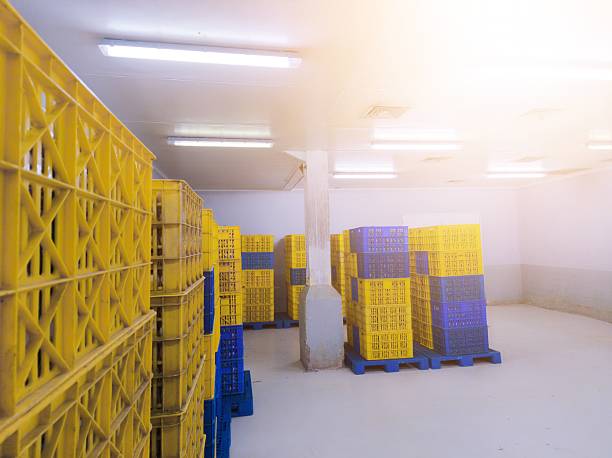
Understanding PEB for Logistics & Cold Storage: Requirements You Must Plan For is essential for developers and investors aiming to build efficient, energy-optimized, and regulation-compliant facilities.
Unlike conventional warehouses, logistics hubs and cold storage buildings require precise thermal control, airtight detailing, and advanced structural planning.
A poorly designed facility can result in massive energy loss, condensation damage, and operational inefficiencies.
That is why PEB for Logistics & Cold Storage: Requirements You Must Plan For must be addressed at the earliest design stage.
From insulation strategy to door systems and hygienic materials, every element impacts performance and long-term cost efficiency.
This comprehensive guide explores the most critical technical and operational aspects of PEB for Logistics & Cold Storage: Requirements You Must Plan For to ensure your project meets modern cold chain standards.
Cold Storage vs Normal Warehouses: What Changes in Design
Cold Storage vs Normal Warehouses: What Changes in Design
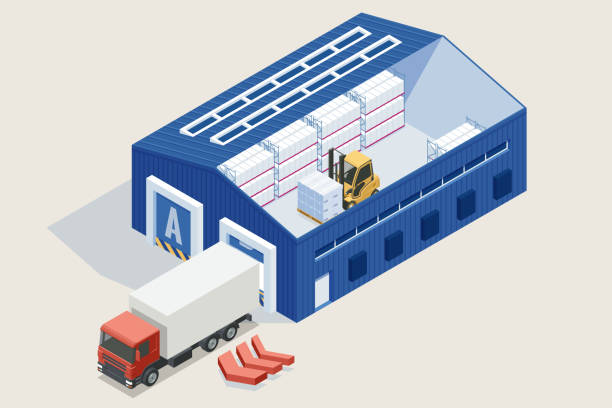
One of the first considerations in PEB for Logistics & Cold Storage: Requirements You Must Plan For is understanding the structural and functional difference between a cold storage facility and a standard warehouse.
Normal warehouses focus primarily on structural efficiency and storage optimization, whereas cold storage facilities prioritize thermal performance and airtight construction.
Wall and roof assemblies must support thick insulation panels capable of maintaining controlled internal temperatures.
Floor slabs in cold storage projects often include underfloor insulation and vapor barriers to prevent frost heave.
Structural framing must accommodate refrigeration equipment loads and ceiling-mounted cooling units.
Internal zoning is also more complex, with separate temperature-controlled chambers for frozen, chilled, and ambient goods.
Recognizing these design differences is fundamental when planning PEB for Logistics & Cold Storage: Requirements You Must Plan For.
Insulation & Thermal Bridges: Where Energy Loss Happens
Insulation & Thermal Bridges: Where Energy Loss Happens
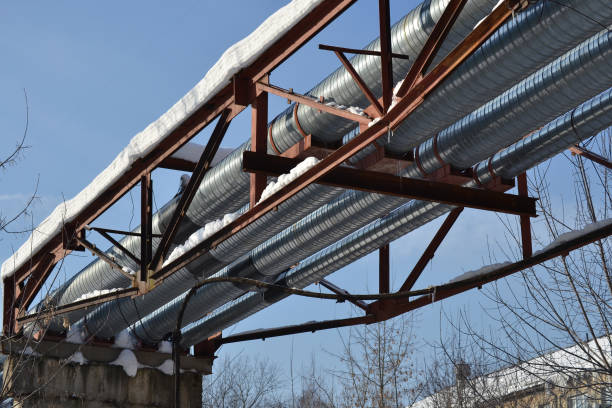
Energy efficiency is at the heart of PEB for Logistics & Cold Storage: Requirements You Must Plan For.
Thermal bridges occur when structural elements allow heat transfer through insulated envelopes, increasing energy consumption and condensation risk.
Steel members penetrating insulated panels can create thermal weak points if not properly detailed.
Specialized thermal break systems are often required to reduce heat transfer at connections.
Roof-to-wall junctions, fasteners, and door frames are common areas where energy loss occurs. High-performance sandwich panels with polyurethane (PU) or PIR cores are typically used to achieve optimal thermal resistance.
Even minor detailing mistakes can significantly increase operational costs over time.
Addressing insulation integrity ensures long-term energy savings within PEB for Logistics & Cold Storage: Requirements You Must Plan For strategies.
Door Systems, Seals, and Loading Docks for Cold Chain
Door Systems, Seals, and Loading Docks for Cold Chain
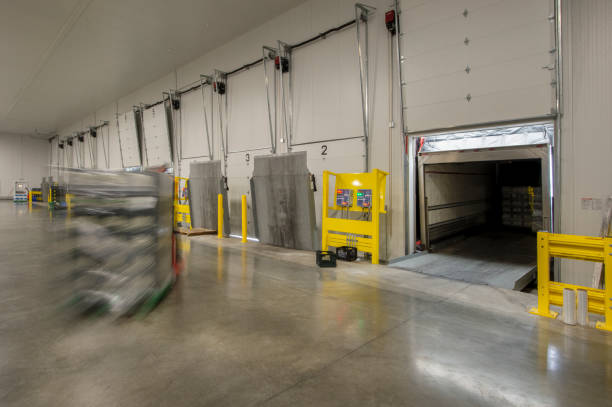
Efficient door systems are critical in PEB for Logistics & Cold Storage: Requirements You Must Plan For.
Cold storage doors must provide airtight sealing while allowing frequent operational access.
High-speed roll-up doors are commonly used to minimize temperature loss during loading and unloading.
Dock shelters and inflatable seals prevent warm air infiltration at loading bays.
Air curtains can further reduce thermal exchange when doors are opened frequently. Poor sealing design leads to energy waste and increased refrigeration load.
Proper dock planning also supports smooth logistics operations, reducing turnaround time for delivery vehicles.
Integrating advanced door solutions enhances performance in PEB for Logistics & Cold Storage: Requirements You Must Plan For.
Condensation Control: Vapor Barriers and Ventilation Strategy
Condensation Control: Vapor Barriers and Ventilation Strategy
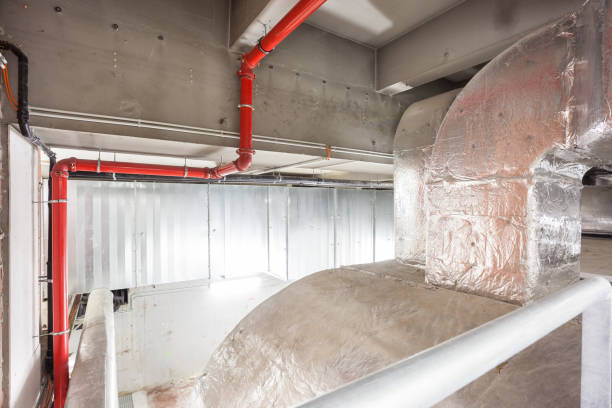
Moisture management is one of the most critical technical factors in PEB for Logistics & Cold Storage: Requirements You Must Plan For.
Condensation can cause corrosion, mold growth, and structural deterioration.
Vapor barriers must be installed on the warm side of insulated panels to prevent moisture migration into insulation layers. Improper placement can trap condensation and reduce thermal performance.
Controlled ventilation strategies help manage humidity levels within logistics facilities. In some cases, dehumidification systems are required to maintain stable internal conditions.
Roof and wall penetrations must be carefully sealed to prevent vapor leakage.
Effective moisture control ensures structural durability and hygiene compliance in PEB for Logistics & Cold Storage: Requirements You Must Plan For.
Choosing Materials and Panels for Hygienic, Durable Facilities
Choosing Materials and Panels for Hygienic, Durable Facilities

Material selection plays a crucial role in PEB for Logistics & Cold Storage: Requirements You Must Plan For.
Cold chain facilities often operate under strict food safety and pharmaceutical regulations.
Panels with smooth, washable surfaces are preferred to facilitate cleaning and prevent bacterial growth.
Stainless steel finishes or coated metal panels are common in hygienic environments.
Floor finishes must resist thermal shock and heavy forklift traffic.
Anti-slip coatings improve worker safety.
Corrosion-resistant fasteners and structural coatings extend service life in humid environments.
Selecting durable, hygienic materials strengthens operational efficiency and compliance within PEB for Logistics & Cold Storage: Requirements You Must Plan For.
Cold Storage Performance Benchmarks
| Parameter | Typical Cold Storage Requirement | Operational Impact |
| Wall Insulation Thickness | 100–200 mm (PU/PIR Core) | Energy Efficiency |
| Temperature Range | -25°C to +5°C | Product Preservation |
| Door Opening Speed | < 3–5 seconds | Reduced Energy Loss |
| Vapor Barrier Placement | Warm Side Installation | Condensation Control |
| Air Changes per Hour | Controlled per design | Humidity Management |
These benchmarks support effective planning of PEB for Logistics & Cold Storage: Requirements You Must Plan For projects.
Frequently Asked Questions (FAQ)
Q1: Why are cold storage buildings more complex than regular warehouses?
Because they require advanced insulation, airtight detailing, and precise temperature control systems.
Q2: What is the biggest cause of energy loss in cold storage PEB buildings?
Thermal bridges and poorly sealed door systems.
Q3: How do you prevent condensation in cold storage facilities?
By installing proper vapor barriers and implementing humidity-controlled ventilation.
Q4: Are sandwich panels mandatory for cold storage projects?
While not always mandatory, high-performance insulated panels are strongly recommended for energy efficiency.
Q5: Can PEB structures handle refrigeration equipment loads?
Yes, when structural design accounts for additional suspended equipment loads.
Conclusion
Developing efficient logistics hubs and cold chain facilities requires a deep understanding of PEB for Logistics & Cold Storage: Requirements You Must Plan For.
From insulation strategy and vapor control to door systems and hygienic material selection, each design decision influences energy efficiency and operational reliability.
A well-engineered PEB solution ensures temperature stability, regulatory compliance, and reduced lifecycle costs.
By carefully planning according to PEB for Logistics & Cold Storage: Requirements You Must Plan For, investors and operators can build high-performance facilities that support modern supply chain demands while maximizing long-term returns.
Related articles: