
Advances in Structural Steel Engineering
Advances in Structural Steel Engineering are driving unprecedented efficiency, safety, and sustainability in modern construction projects worldwide.
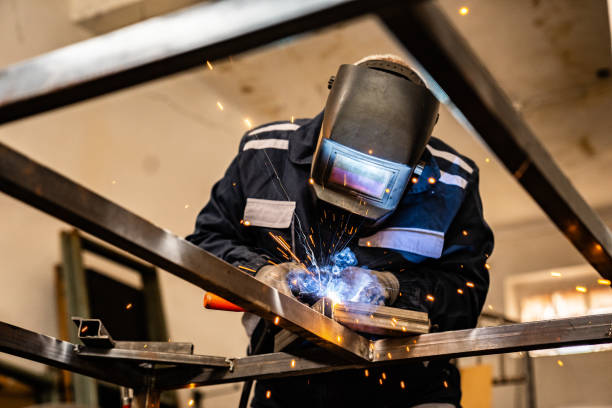
Advances in Structural Steel Engineering integrate digital technologies with material science breakthroughs. This article explores these developments reshaping structural design and fabrication.
High-Strength Low-Alloy Steels
Advances in Structural Steel Engineering feature high-strength low-alloy (HSLA) steels offering superior yield strengths up to 700 MPa with excellent weldability.
Microalloying elements like niobium enhance grain refinement for better toughness in seismic zones. Advances in Structural Steel Engineering through HSLA enable lighter frameworks and longer spans without compromising safety.
Building Information Modeling Integration
Advances in Structural Steel Engineering leverage BIM for parametric 3D modeling that automates connection designs and clash detection.
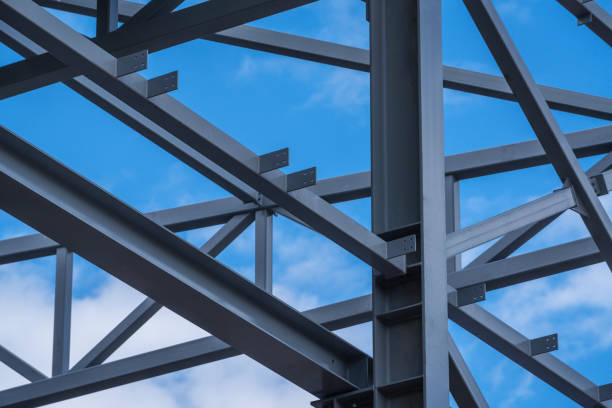
Real-time collaboration platforms synchronize architects, engineers, and fabricators seamlessly. Advances in Structural Steel Engineering with BIM reduce fabrication errors by 40 percent and accelerate project approvals.
AI-Powered Design Optimization
Advances in Structural Steel Engineering employ artificial intelligence algorithms to generate thousands of structural variants optimized for cost, weight, and performance.
Machine learning predicts failure modes under extreme loading conditions accurately. Advances in Structural Steel Engineering via AI cut material usage by 25 percent while meeting code requirements.
Robotic Fabrication Technologies
Advances in Structural Steel Engineering incorporate robotic welding arms with vision systems for precision in complex geometries. Automated CNC plasma cutting ensures millimeter accuracy across large plates. Advances in Structural Steel Engineering through robotics boost shop productivity by 50 percent with minimal waste.
Digital Twins for Lifecycle Analysis
Advances in Structural Steel Engineering utilize digital twins that mirror physical structures with sensor-integrated virtual models. Real-time data feeds enable predictive maintenance and performance forecasting.
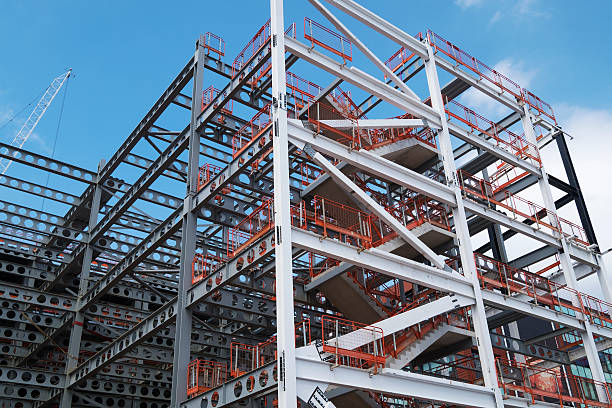
Advances in Structural Steel Engineering with digital twins extend service life by identifying fatigue early.
Nanotechnology-Enhanced Coatings
Advances in Structural Steel Engineering apply graphene-infused coatings that provide corrosion resistance 10 times superior to traditional paints.
Self-cleaning hydrophobic surfaces reduce maintenance cycles significantly. Advances in Structural Steel Engineering via nanotech protect structures in harsh marine and industrial environments.
Buckling-Restrained Braced Frames
Advances in Structural Steel Engineering deploy BRBF systems where steel cores yield predictably while outer casings prevent buckling. These frames dissipate seismic energy through stable hysteresis loops.
Advances in Structural Steel Engineering with BRBF achieve ductility factors exceeding 7 without excessive deformations.
Composite Steel-Concrete Connections
Advances in Structural Steel Engineering combine steel beams with precast concrete slabs using shear studs for enhanced composite action.
Demountable connectors facilitate future adaptability and recycling. Advances in Structural Steel Engineering through composites optimize floor-to-floor heights in high-rises.
Augmented Reality Site Verification
Advances in Structural Steel Engineering use AR glasses to overlay BIM models onto physical sites for real-time fit verification. Field technicians identify misalignments before erection begins.
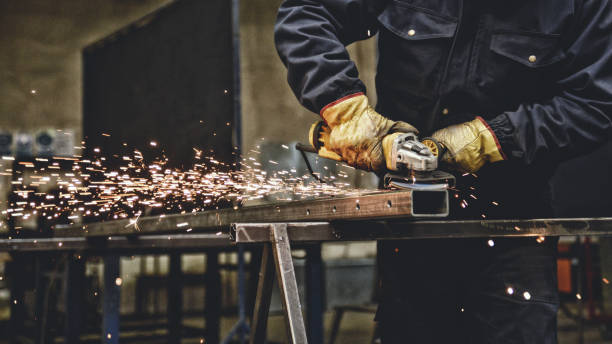
Advances in Structural Steel Engineering with AR minimize field rework costs by 30 percent.
Sustainable Recycled Steel Alloys
Advances in Structural Steel Engineering promote electric arc furnace steel from 100 percent scrap with consistent mechanical properties. Alloy adjustments compensate for scrap variability effectively.
Advances in Structural Steel Engineering using recycled content slash embodied carbon by 70 percent.
Performance-Based Seismic Design
Advances in Structural Steel Engineering shift from prescriptive codes to performance-based criteria allowing innovative damping systems. Fluid viscous dampers absorb earthquake energy proportionally to velocity.
Advances in Structural Steel Engineering enable resilient designs in high-seismic regions.
Cloud-Based Collaboration Platforms
Advances in Structural Steel Engineering facilitate global teams working simultaneously on federated BIM models via cloud servers. Version control prevents data conflicts automatically.
Advances in Structural Steel Engineering with cloud tech coordinate mega-projects across continents efficiently.
Blast-Resistant Steel Connections
Advances in Structural Steel Engineering reinforce connections with high-ductility fuses that sacrifice themselves during explosions. Progressive collapse prevention maintains alternate load paths.

Advances in Structural Steel Engineering provide life-safety in high-security applications.
Fire-Resistant Intumescent Systems
Advances in Structural Steel Engineering apply thin-film intumescent coatings expanding 50 times at fire temperatures to insulate steel. Hydrocarbon fire curves test offshore platform performance. Advances in Structural Steel Engineering achieve 3-hour ratings on exposed trusses.
Advances in Structural Steel Engineering
Advances in Structural Steel Engineering position steel as the material of choice for future infrastructure demands. These innovations deliver safer, greener, and more economical structures universally. Advances in Structural Steel Engineering continue propelling construction toward digital transformation.
Frequently Asked Questions (FAQ)
What benefits do HSLA steels provide in Advances in Structural Steel Engineering?
HSLA steels offer higher strength-to-weight ratios enabling lighter, longer-span structures with excellent weldability.
How does BIM transform Advances in Structural Steel Engineering?
BIM automates detailing, enables clash-free coordination, and reduces fabrication errors by 40 percent.
Why is AI crucial for Advances in Structural Steel Engineering?
AI optimizes thousands of design alternatives rapidly, saving 25 percent on materials while enhancing performance.
What role do digital twins play in Advances in Structural Steel Engineering?
Digital twins predict maintenance needs through real-time monitoring, extending structural lifespans significantly.
How do robotic systems impact Advances in Structural Steel Engineering?
Robotics increase fabrication precision and speed by 50 percent, minimizing waste and labor costs.
What makes BRBF superior in Advances in Structural Steel Engineering?
BRBF provide stable seismic energy dissipation with high ductility, ideal for earthquake-prone regions.
Can recycled steel match virgin steel in Advances in Structural Steel Engineering?
Yes, EAF-recycled steel achieves equivalent properties while reducing carbon footprint by 70 percent.
How does AR improve Advances in Structural Steel Engineering?
AR overlays enable on-site verification, cutting field corrections by 30 percent during erection.