
Quality Control in Steel Fabrication: Inspection Checklist & Standards
Steel fabrication quality control is a critical process that ensures structural steel components meet engineering specifications, safety requirements, and international standards.
In industrial, commercial, and infrastructure projects, poor fabrication quality can lead to costly rework, project delays, and long-term safety risks.
Effective steel fabrication quality control safeguards performance, durability, and compliance throughout the project lifecycle.
This article explains the importance of quality control in steel fabrication, outlines key inspection stages, and highlights the standards and best practices that support reliable steel structures.
For inquiries or quotations, please contact us at:📞 +963 935 474 904
What Is Steel Fabrication Quality Control?
Steel fabrication quality control refers to the systematic inspection, testing, and verification of steel materials, fabrication processes, and finished components.
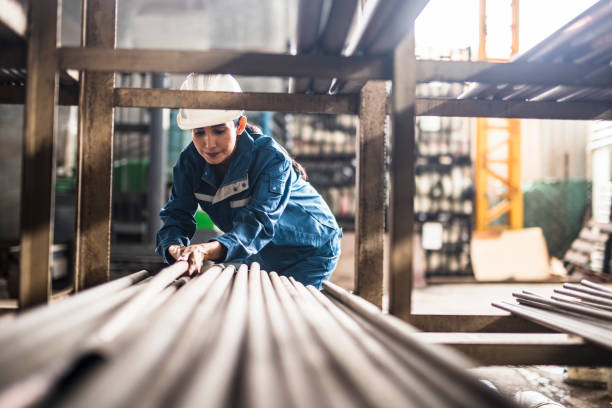
The goal is to ensure that every steel element conforms to approved drawings, specifications, and applicable standards.
Steel fabrication quality control covers material procurement, cutting, welding, assembly, surface treatment, and final inspection.
A robust QA/QC system minimizes defects and ensures consistent fabrication quality.
Also learn about Structural Steel Design: Key Engineering Principles for Safe Buildings
Importance of Quality Control in Steel Fabrication
Strong steel fabrication quality control directly impacts structural safety and project success.
Defects in fabrication can compromise load capacity, connection integrity, and overall building performance.
Key benefits of effective steel fabrication quality control include:
- Compliance with engineering specifications
- Reduced rework and project delays
- Improved structural reliability
- Enhanced safety during erection and operation
- Long-term durability of steel structures
For industrial steel buildings, quality control is not optional—it is essential.
Steel Welding Inspection
Steel welding inspection is one of the most critical aspects of steel fabrication quality control.
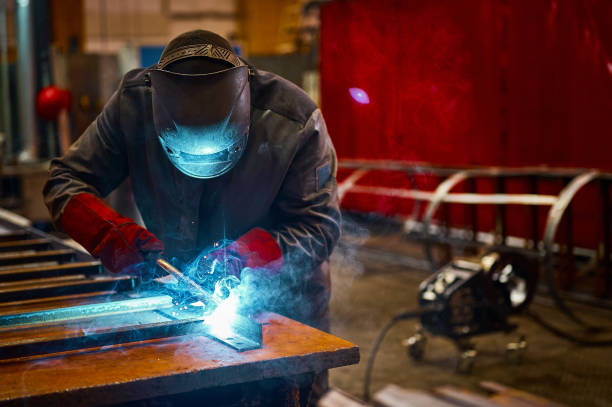
Welds transfer loads between steel members, making their quality vital to structural integrity.
Steel welding inspection includes visual inspection, dimensional checks, and verification of welding procedures. Inspectors assess weld size, continuity, penetration, and surface defects such as cracks or porosity.
Consistent steel welding inspection ensures that welded connections meet design requirements and perform reliably under service loads.
Fabrication Tolerance Steel
Fabrication tolerance steel refers to allowable deviations in dimensions, alignment, and geometry during fabrication.
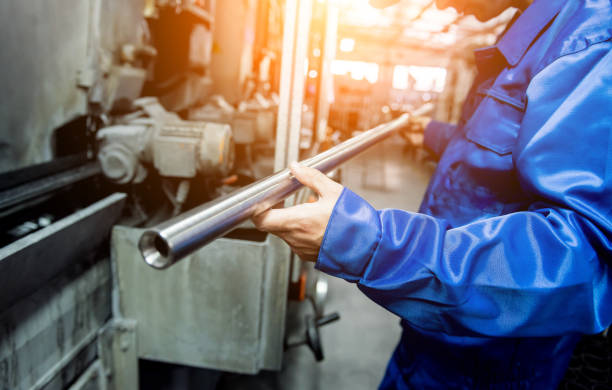
Controlling fabrication tolerances is essential to ensure proper fit-up during erection and accurate load transfer.
Steel fabrication quality control programs define acceptable tolerance limits for cutting, drilling, welding, and assembly. Excessive deviations can lead to misalignment, erection difficulties, and structural stress.
Maintaining fabrication tolerance steel within specified limits improves constructability and reduces on-site adjustments.
Our technical team is ready to assist you. Call us at: 📲 +963 935 474 904
NDT Testing Welding
NDT testing welding is a vital component of advanced steel fabrication quality control. Non-destructive testing (NDT) methods allow inspectors to detect internal and surface defects without damaging the weld.
Common NDT testing welding methods include:
- Ultrasonic testing (UT)
- Radiographic testing (RT)
- Magnetic particle testing (MT)
- Dye penetrant testing (PT)
These methods help identify hidden flaws such as lack of fusion, cracks, or inclusions, ensuring weld reliability and compliance with standards.
ISO Standards Steel Fabrication
ISO standards steel fabrication provide a structured framework for quality management and fabrication processes.
Compliance with ISO standards demonstrates a commitment to consistent quality and continuous improvement.
Key ISO standards steel fabrication include:
- ISO 9001 for quality management systems
- ISO 3834 for welding quality requirements
- ISO standards for material traceability and documentation
Adhering to ISO standards steel fabrication ensures standardized procedures, documented inspections, and traceable quality records.
Steel Structure QA QC
Steel structure QA QC involves implementing quality assurance and quality control systems throughout fabrication and erection.
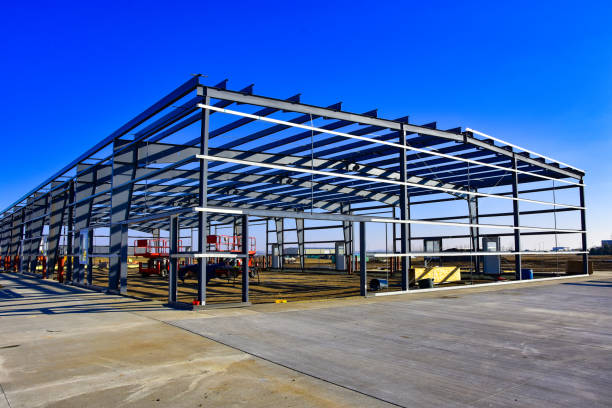
QA focuses on process planning and prevention, while QC emphasizes inspection and verification.
Steel structure QA QC includes:
- Review of drawings and specifications
- Material certification checks
- In-process inspections
- Final inspection and documentation
A well-implemented steel structure QA QC system reduces risk and ensures project compliance.
Inspection Checklist for Steel Fabrication
A comprehensive inspection checklist is essential for effective steel fabrication quality control. Typical checklist items include:
- Verification of raw material certificates
- Dimensional inspection of cut and drilled components
- Monitoring of welding procedures and qualifications
- Inspection of weld quality and finish
- Verification of fabrication tolerances
- Review of NDT testing welding results
- Surface preparation and coating inspection
- Final inspection before shipment
Using a structured checklist ensures consistency and accountability throughout fabrication.
Quality Control During Fabrication Stages
Steel fabrication quality control should be applied at every stage of production:
- Incoming material inspection
- Cutting and shaping verification
- Welding and assembly monitoring
- Surface treatment and coating inspection
- Pre-shipment inspection
Early detection of issues reduces rework and ensures smooth project execution.
Documentation and Traceability
Proper documentation is a core element of steel fabrication quality control.

Inspection reports, test results, and material certificates provide traceability and proof of compliance.
Maintaining organized records supports audits, regulatory approval, and client confidence.
Safety and Long-Term Performance
Steel fabrication quality control contributes directly to construction safety and long-term structural performance.
High-quality fabrication reduces the risk of failure, enhances load capacity, and supports safe erection practices.
Quality-controlled steel structures perform reliably under operational and environmental loads throughout their service life.
Through rigorous steel welding inspection, strict control of fabrication tolerance steel, advanced NDT testing welding, and adherence to ISO standards steel fabrication, project teams ensure consistent quality at every stage.
A structured steel structure QA QC system, supported by detailed inspection checklists and thorough documentation, minimizes risk and enhances project success.
When implemented effectively, steel fabrication quality control protects investments, ensures safety, and delivers long-term performance for industrial and commercial steel buildings.