
Common Mistakes in Steel Fabrication and How to Avoid Them
Introduction
Steel fabrication is a critical process in construction and industrial projects, requiring precision, planning, and strict quality control. However, even experienced teams can encounter errors that affect performance, safety, and cost.
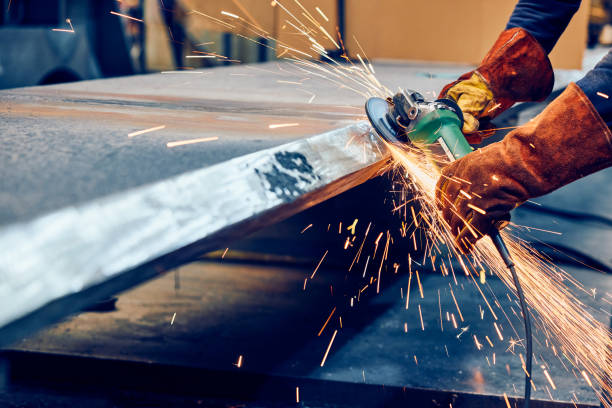
Understanding common mistakes in steel fabrication and how to avoid them is essential for delivering high-quality and reliable structures.
By identifying these issues early and applying best practices, engineers and fabricators can improve efficiency and reduce costly rework. This article explores the most frequent problems and explains common mistakes in steel fabrication and how to avoid them in a practical and effective way.
Poor Planning and Design Errors
One of the most frequent issues in common mistakes in steel fabrication and how to avoid them is inadequate planning.
Errors in design drawings, incorrect measurements, or lack of coordination between teams can lead to serious problems during fabrication and installation.
To address this, it is important to use accurate design tools such as CAD and BIM, perform detailed reviews, and ensure clear communication between all stakeholders involved in common mistakes in steel fabrication and how to avoid them.
Incorrect Material Selection
Using the wrong type or grade of steel is another major issue highlighted in common mistakes in steel fabrication and how to avoid them. Materials that do not meet project requirements can compromise structural integrity and durability.
Avoiding this mistake requires proper material specification, supplier verification, and strict inspection processes as part of common mistakes in steel fabrication and how to avoid them.
Inaccurate Cutting and Measurement
Precision is essential in fabrication, and inaccurate cutting can lead to misalignment and fitting issues. This is a common concern when discussing common mistakes in steel fabrication and how to avoid them.
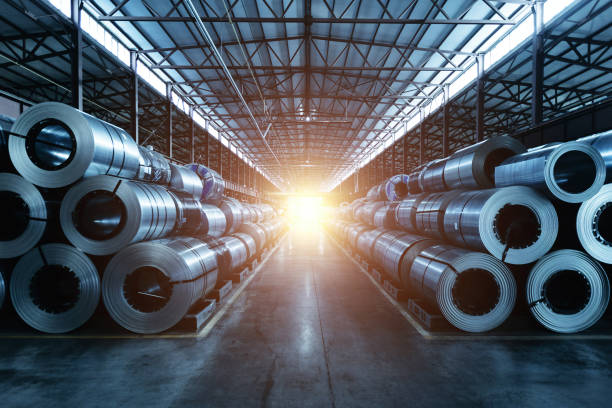
Using advanced cutting equipment, proper calibration, and skilled operators can significantly reduce errors and improve accuracy in common mistakes in steel fabrication and how to avoid them.
Welding Defects
Welding plays a crucial role in steel fabrication, but poor welding practices can result in defects such as cracks, porosity, and incomplete penetration. These issues are central to common mistakes in steel fabrication and how to avoid them.
Ensuring qualified welders, following proper procedures, and conducting inspections are key steps in preventing welding-related problems in common mistakes in steel fabrication and how to avoid them.
Lack of Quality Control
Insufficient quality control is a major factor contributing to common mistakes in steel fabrication and how to avoid them. Without regular inspections, defects may go unnoticed until later stages, leading to costly corrections.
Implementing strict quality assurance processes and continuous monitoring helps address common mistakes in steel fabrication and how to avoid them effectively.
Improper Handling and Storage
Steel components can be damaged if not handled or stored correctly. Exposure to moisture, impact, or contamination can affect material quality. This issue is often overlooked in common mistakes in steel fabrication and how to avoid them.
Proper storage conditions, protective coverings, and careful handling procedures are essential to prevent damage in common mistakes in steel fabrication and how to avoid them.
Misalignment During Assembly
Misalignment during assembly can cause structural instability and installation difficulties. This is a key challenge discussed in common mistakes in steel fabrication and how to avoid them.
Using precise measurements, alignment tools, and experienced installation teams can minimize these risks and ensure proper assembly in common mistakes in steel fabrication and how to avoid them.
Ignoring Environmental Factors
Environmental conditions such as temperature, humidity, and corrosion can impact fabrication and performance. Ignoring these factors is a common issue in common mistakes in steel fabrication and how to avoid them.
Planning for environmental conditions and applying protective measures are important steps in addressing common mistakes in steel fabrication and how to avoid them.
Poor Communication Between Teams
Lack of coordination between designers, fabricators, and contractors can lead to misunderstandings and errors. Effective communication is essential in avoiding common mistakes in steel fabrication and how to avoid them.
Regular meetings, clear documentation, and collaboration tools help ensure that all teams are aligned in common mistakes in steel fabrication and how to avoid them.
Skipping Final Inspection
Skipping or rushing final inspections can result in unnoticed defects. This is one of the most critical points in common mistakes in steel fabrication and how to avoid them.
Thorough final checks ensure that all components meet specifications and standards, reducing the risk of failure in common mistakes in steel fabrication and how to avoid them.
Conclusion
Understanding common mistakes in steel fabrication and how to avoid them is essential for improving quality, safety, and efficiency in construction projects. By addressing issues such as poor planning, incorrect materials, welding defects, and lack of quality control, fabricators can significantly enhance project outcomes.
Applying best practices and maintaining strict standards ensures that common mistakes in steel fabrication and how to avoid them are minimized, leading to reliable and long-lasting steel structures.
Frequently Asked Questions (FAQ)
What are the most common mistakes in steel fabrication?
They include design errors, incorrect material selection, welding defects, and poor quality control.
How can welding defects be avoided?
By using qualified welders, proper techniques, and thorough inspection processes.
Why is quality control important in fabrication?
It ensures that all components meet required standards and reduces the risk of failure.
How does poor planning affect steel fabrication?
It can lead to errors, delays, and increased costs during production and installation.
Can fabrication mistakes be corrected later?
Some mistakes can be fixed, but prevention is always more efficient and cost-effective.