
The Role of Welding in Structural Integrity
In modern construction and industrial applications, welding plays a critical role in ensuring the strength and durability of structures.
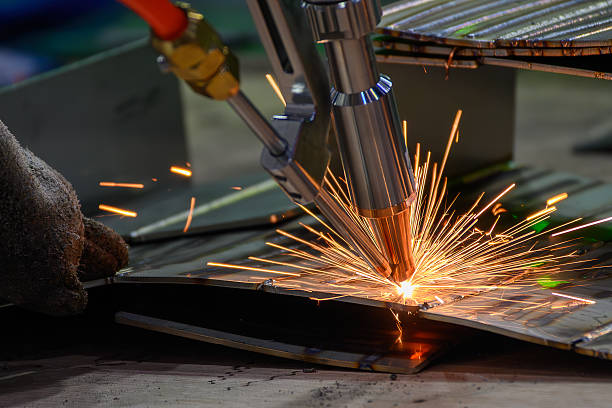
The role of welding in structural integrity cannot be overlooked, as it directly affects how different components of a structure are connected and how they perform under load. From bridges and high-rise buildings to factories and warehouses, the role of welding in structural integrity is essential for creating safe and reliable systems.
Understanding the role of welding in structural integrity helps engineers, fabricators, and project managers ensure that structures can withstand stress, environmental conditions, and long-term use without failure.
Welding as a Structural Backbone
One of the most important aspects of the role of welding in structural integrity is its ability to create strong and permanent connections between steel components.
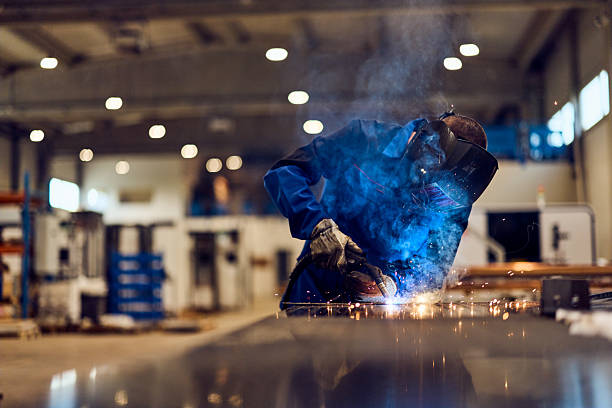
Welding fuses materials together at a molecular level, forming joints that can be as strong as—or even stronger than—the base material.
Because of this, the role of welding in structural integrity is fundamental in maintaining the continuity of load paths within a structure. Properly executed welds ensure that forces are transferred efficiently across all connected elements.
Types of Welding Used in Structural Applications
The role of welding in structural integrity also depends on selecting the appropriate welding technique. Common methods include arc welding, MIG welding, TIG welding, and submerged arc welding.
Each method contributes differently to the role of welding in structural integrity, depending on factors such as material thickness, project requirements, and environmental conditions. Choosing the correct method ensures optimal performance and durability.
Load Distribution and Stress Resistance
A key factor in the role of welding in structural integrity is how well welded joints distribute loads. Structures are constantly exposed to forces such as weight, wind, and vibration. Poor welding can lead to stress concentration and eventual failure.
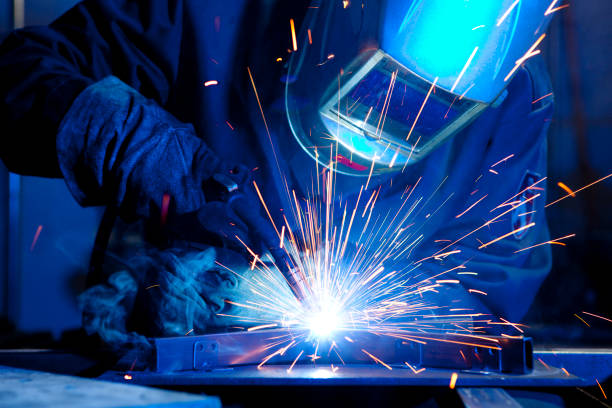
The role of welding in structural integrity ensures that loads are evenly distributed across joints, reducing weak points and improving the overall stability of the structure.
Welding Quality and Inspection
The effectiveness of the role of welding in structural integrity heavily depends on the quality of the welds. Defects such as cracks, porosity, and incomplete penetration can significantly weaken a structure.
To maintain the role of welding in structural integrity, strict inspection methods are used, including visual inspection and non-destructive testing. These measures ensure that all welds meet required standards and specifications.
Impact of Welding on Durability
Durability is closely tied to the role of welding in structural integrity. High-quality welds contribute to long-lasting structures that can resist environmental factors such as corrosion, temperature changes, and moisture.
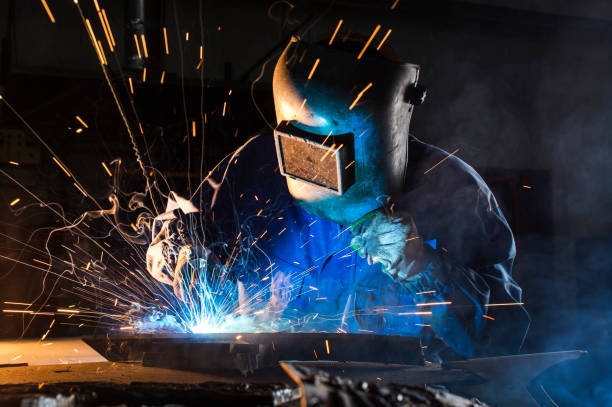
By ensuring proper welding techniques, the role of welding in structural integrity supports the longevity and reliability of buildings and infrastructure.
Safety Considerations
Safety is a major concern in construction, and the role of welding in structural integrity directly impacts it. Weak or defective welds can lead to catastrophic failures, putting lives and investments at risk.
Following safety standards and best practices strengthens the role of welding in structural integrity, ensuring that structures remain secure under all conditions.
Skilled Workforce and Expertise
The human factor is crucial in the role of welding in structural integrity. Skilled welders and qualified inspectors are essential for producing high-quality joints.
Training and certification programs enhance the role of welding in structural integrity by ensuring that professionals follow proper procedures and maintain consistent quality.
Technological Advancements in Welding
Modern innovations have improved the role of welding in structural integrity. Automated welding systems, robotics, and advanced monitoring tools increase precision and reduce human error.
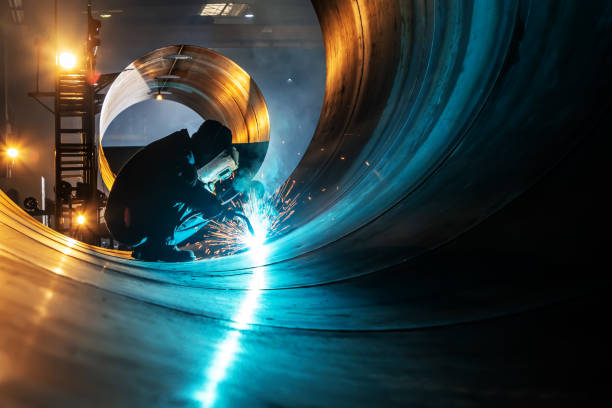
These advancements strengthen the role of welding in structural integrity by delivering consistent and reliable welds, even in complex projects.
Integration with Steel Fabrication
The role of welding in structural integrity is closely linked to the overall steel fabrication process. Welding is a key step that connects individual components into a complete structural system.
Without proper welding, the effectiveness of fabrication efforts is compromised. Therefore, the role of welding in structural integrity is essential for achieving a cohesive and functional structure.
Conclusion
The role of welding in structural integrity is a cornerstone of modern construction and industrial engineering. It ensures that structures are strong, stable, and capable of withstanding various forces and environmental conditions.
By focusing on quality, proper techniques, and skilled execution, the role of welding in structural integrity continues to support safe and durable structures around the world. As technology advances, this role will become even more important in shaping the future of construction.
Frequently Asked Questions (FAQ)
What is the role of welding in structural integrity?
The role of welding in structural integrity is to create strong joints that ensure stability, load transfer, and durability in structures.
Why is welding important in steel structures?
Welding connects steel components securely, allowing them to function as a single, unified system.
What are common welding defects?
Common defects include cracks, porosity, and incomplete fusion, which can weaken structural performance.
How is welding quality checked?
Through inspections such as visual checks and non-destructive testing methods.
Can welding affect the lifespan of a structure?
Yes, high-quality welding improves durability, while poor welding can lead to early failure.