
Advantages of Lightweight Steel Structures in Modern Engineering
Modern engineering is constantly evolving to meet the demands of efficiency, sustainability, and performance.

One of the most significant innovations in recent years is the use of lightweight steel structures. Advantages of lightweight steel structures in modern engineering are becoming increasingly evident as industries seek faster, stronger, and more cost-effective construction solutions.
Lightweight steel offers a unique combination of strength and reduced weight, making it ideal for a wide range of applications. Understanding the advantages of lightweight steel structures in modern engineering helps engineers and developers optimize their designs and improve project outcomes.
Reduced Structural Weight
One of the primary benefits highlighted in the advantages of lightweight steel structures in modern engineering is the significant reduction in structural weight. Compared to traditional materials, lightweight steel systems require less mass while maintaining high strength.
This reduction allows for easier handling, transportation, and installation, reinforcing the advantages of lightweight steel structures in modern engineering.
Faster Construction Time
Speed is a major factor in modern construction projects. Lightweight steel components are typically prefabricated and designed for quick assembly.
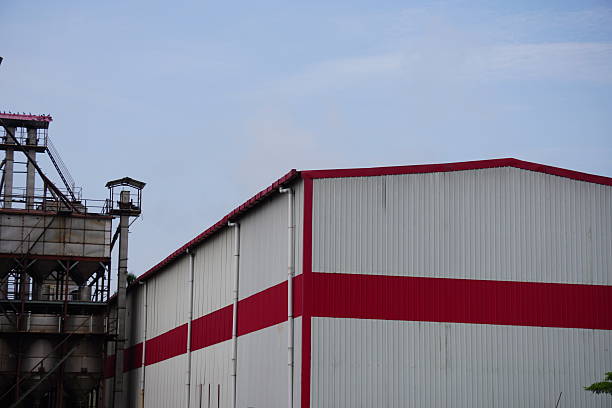
This efficiency demonstrates the advantages of lightweight steel structures in modern engineering, as projects can be completed faster with fewer delays.
Cost Efficiency
Lower material weight often leads to reduced foundation requirements and transportation costs. Additionally, faster construction reduces labor expenses.
These economic benefits are key aspects of the advantages of lightweight steel structures in modern engineering, making them an attractive option for developers.
High Strength-to-Weight Ratio
Despite being lightweight, steel offers exceptional strength. This high strength-to-weight ratio is a defining feature in the advantages of lightweight steel structures in modern engineering.
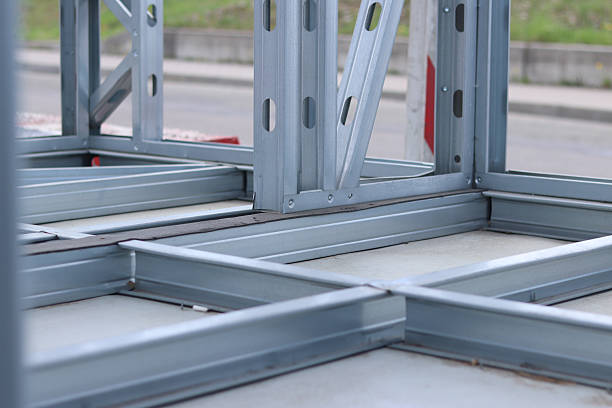
It allows engineers to design structures that are both strong and efficient without unnecessary material usage.
Flexibility in Design
Lightweight steel provides excellent design flexibility, enabling complex and innovative architectural solutions. Engineers can create structures with large spans and unique shapes.
This adaptability is a major factor in the advantages of lightweight steel structures in modern engineering, supporting modern architectural trends.
Improved Seismic Performance
In earthquake-prone regions, reducing structural weight can significantly improve performance. Lightweight steel structures experience lower seismic forces compared to heavier materials.
This makes seismic resistance an important point in the advantages of lightweight steel structures in modern engineering.
Ease of Transportation and Installation
Because of their reduced weight, steel components are easier to transport and handle on-site. This simplifies logistics and reduces the need for heavy equipment.

This practical benefit further supports the advantages of lightweight steel structures in modern engineering.
Sustainability and Environmental Benefits
Sustainability is a key concern in modern engineering. Lightweight steel structures produce less waste and can be recycled efficiently.
These environmental benefits enhance the advantages of lightweight steel structures in modern engineering, supporting green building practices.
Compatibility with Prefabrication
Lightweight steel systems are highly compatible with prefabrication and modular construction techniques. Components can be manufactured off-site and assembled quickly on-site.
This integration strengthens the advantages of lightweight steel structures in modern engineering, improving efficiency and quality control.
Durability and Long-Term Performance
Despite their lighter weight, these structures maintain high durability when properly designed and protected. They resist environmental factors and provide long service life.

This reliability is a crucial element in the advantages of lightweight steel structures in modern engineering.
Reduced Foundation Requirements
Lighter structures place less load on foundations, allowing for simpler and more cost-effective foundation designs.
This benefit highlights another aspect of the advantages of lightweight steel structures in modern engineering, particularly in projects with challenging soil conditions.
Conclusion
The advantages of lightweight steel structures in modern engineering are transforming the construction industry by offering faster, more efficient, and sustainable solutions. From reduced weight and cost savings to improved design flexibility and seismic performance, lightweight steel is a powerful tool for modern engineers.
As construction demands continue to evolve, the advantages of lightweight steel structures in modern engineering will play a key role in shaping the future of infrastructure and development.
Frequently Asked Questions (FAQ)
What are lightweight steel structures?
They are steel systems designed to reduce weight while maintaining strength and performance.
Why are lightweight steel structures important in modern engineering?
They improve efficiency, reduce costs, and support innovative designs.
Are lightweight steel structures durable?
Yes, they offer long-term durability when properly maintained.
Do lightweight steel structures reduce construction costs?
Yes, they lower transportation, labor, and foundation costs.
Can lightweight steel structures be used in residential projects?
Yes, they are widely used in residential, commercial, and industrial construction.