
Kirby Buildings vs Conventional Construction
Introduction
Kirby Buildings vs Conventional Construction is an important comparison for project owners who want to choose the most efficient method for industrial and commercial buildings.

Kirby Buildings vs Conventional Construction matters because the decision affects construction speed, cost, flexibility, long-term maintenance, and the overall performance of the facility. Kirby Buildings vs Conventional Construction is especially relevant for warehouses, factories, logistics centers, and other large structures where delays or design limitations can create major operational problems. Kirby Buildings vs Conventional Construction shows a clear difference between pre-engineered steel solutions and traditional site-built methods.
Construction Speed
Kirby Buildings vs Conventional Construction usually favors Kirby when speed is a priority. Kirby Buildings vs Conventional Construction often shows that pre-engineered steel buildings can be fabricated in advance and assembled much faster on site.
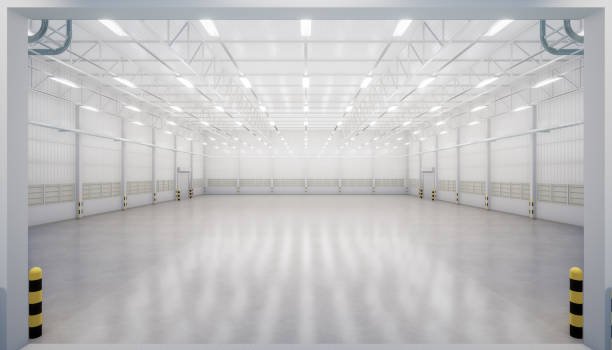
Kirby Buildings vs Conventional Construction is important for businesses that want to start operations earlier and reduce financing pressure caused by long construction timelines. Kirby Buildings vs Conventional Construction also highlights that conventional methods usually require more on-site labor, more coordination, and longer completion periods.
Kirby Buildings vs Conventional Construction becomes even more significant when weather, site conditions, or labor availability may slow a project down. Kirby’s system is designed to simplify erection and reduce the number of steps required during installation. That means fewer delays, better scheduling control, and a more predictable path to completion. In conventional construction, the project often depends more heavily on site-based work, which can increase uncertainty and stretch the schedule.
Cost Efficiency
Kirby Buildings vs Conventional Construction often gives Kirby an advantage in total project value. Kirby Buildings vs Conventional Construction is not only about the upfront price of materials, but also about labor, time, waste, and future maintenance.
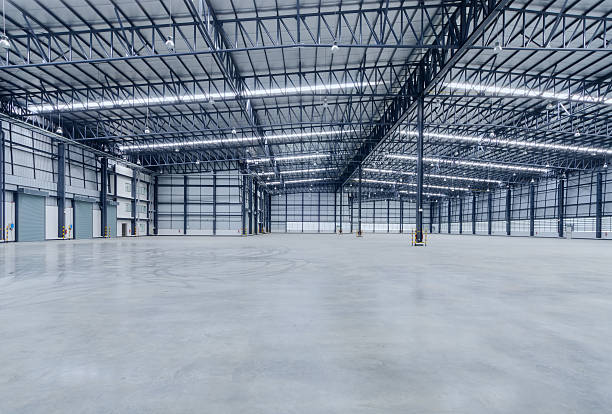
Kirby Buildings vs Conventional Construction can lower overall costs because prefabricated steel systems are more efficient to manufacture and install. Kirby Buildings vs Conventional Construction also tends to reduce site waste and avoid many of the inefficiencies found in traditional construction.
Kirby Buildings vs Conventional Construction is especially useful for industrial owners who want predictable budgeting. Conventional construction can sometimes appear simpler at the start, but hidden costs often emerge through delays, redesigns, labor variations, and longer supervision time. Kirby’s pre-engineered method is more structured, which makes cost planning easier. For developers and investors, that predictability can be just as valuable as the initial savings.
Design Flexibility
Kirby Buildings vs Conventional Construction also differs in how much flexibility each system offers. Kirby Buildings vs Conventional Construction often favors Kirby because pre-engineered steel buildings can be customized for span, height, layout, cladding, and future expansion.
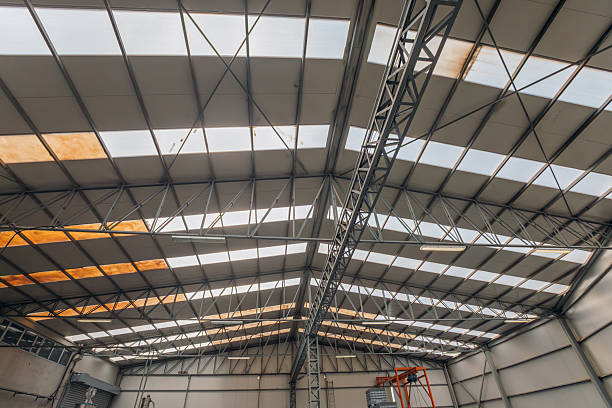
Kirby Buildings vs Conventional Construction matters in industrial projects where a building must support changing operational needs. Kirby’s approach allows owners to design around workflow, storage, machinery, and future growth instead of forcing the business to adapt to a rigid structure.
Kirby Buildings vs Conventional Construction is particularly important when large clear spans are needed. Industrial facilities often require open floor space without many internal columns, and Kirby systems are well suited to that requirement. Conventional construction may rely more heavily on heavier site-built elements that can limit internal layout options. That difference can affect storage capacity, equipment placement, vehicle movement, and overall building efficiency.
Structural Performance
Kirby Buildings vs Conventional Construction also involves structural behavior and reliability. Kirby Buildings vs Conventional Construction often shows that steel systems provide strong load-bearing performance with efficient use of material.
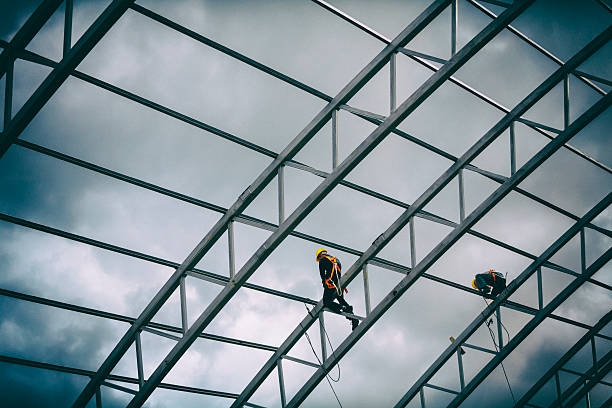
Kirby Buildings vs Conventional Construction is especially relevant for buildings that need to handle industrial loads, environmental forces, and long service life. Kirby’s engineering approach is designed to create stable, predictable structures that perform well under demanding conditions.
Kirby Buildings vs Conventional Construction can also matter in areas where future use may change. Steel systems are easier to analyze, modify, and extend than many conventional structures. That makes Kirby a practical option for businesses that expect to expand or reconfigure later. Conventional construction can be durable too, but it is often less adaptable when major changes are needed after completion.
Maintenance and Lifecycle Value
Kirby Buildings vs Conventional Construction usually gives Kirby an advantage in long-term maintenance planning. Kirby Buildings vs Conventional Construction matters because industrial buildings are long-term assets, and maintenance costs can add up significantly over time.
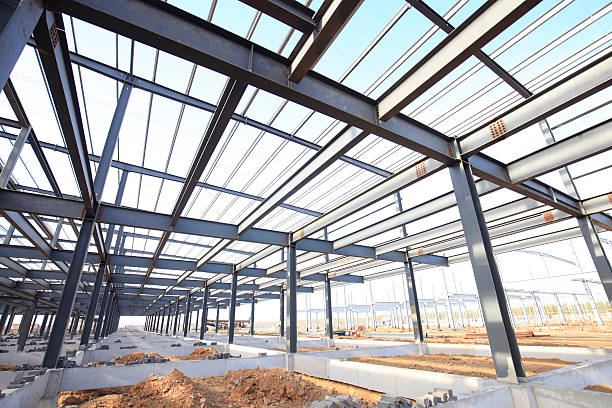
Kirby’s steel systems are designed for durability and can be protected with coatings, cladding, and engineering measures that improve lifespan. Kirby Buildings vs Conventional Construction often shows that conventional buildings may require more frequent repairs depending on the material system used.
Kirby Buildings vs Conventional Construction is also important when considering total lifecycle value rather than just construction cost. A building that is faster to construct, easier to expand, and simpler to maintain can produce better value over decades of use. Conventional construction may be familiar, but it does not always provide the same combination of speed, efficiency, and adaptability. For owners who think long term, that difference can be decisive.
Sustainability and Resource Use
Kirby Buildings vs Conventional Construction also has an environmental side. Kirby Buildings vs Conventional Construction generally favors steel systems when resource efficiency and recyclability matter. Kirby’s approach uses prefabrication to reduce waste and improve material accuracy. Conventional construction can generate more job-site waste and may rely more heavily on labor-intensive processes that consume additional time and resources.
Kirby Buildings vs Conventional Construction becomes more relevant as businesses seek greener building solutions. Steel systems can support efficient insulation, energy-conscious design, and high recyclability at the end of the building’s life. Conventional construction may still be effective, but it often depends on the material mix and local building practices. For companies that want a more modern and sustainable industrial solution, Kirby offers a strong alternative.
Comparison Table
Kirby Buildings vs Conventional Construction becomes clearer when these factors are viewed together. Kirby Buildings vs Conventional Construction shows that Kirby is often the better choice when speed, cost control, and flexibility are the main priorities. Kirby Buildings vs Conventional Construction does not mean conventional methods are always bad, but it does show where pre-engineered steel systems have a practical edge. Kirby Buildings vs Conventional Construction helps decision-makers choose the right method for the right project.
Conclusion
Kirby Buildings vs Conventional Construction is a comparison that usually favors Kirby in industrial and large-scale commercial projects. Kirby Buildings vs Conventional Construction highlights benefits such as faster delivery, stronger cost control, easier expansion, and better use of space. Kirby Buildings vs Conventional Construction also shows that pre-engineered steel buildings are well suited to businesses that value performance and long-term efficiency. Kirby Buildings vs Conventional Construction is therefore a useful guide for owners who want a building solution that supports both present operations and future growth.
FAQ
What is the main advantage of Kirby Buildings over conventional construction?
Kirby Buildings vs Conventional Construction usually favors Kirby because it offers faster construction, better cost control, and greater design flexibility.
Are Kirby Buildings cheaper than conventional buildings?
Kirby Buildings vs Conventional Construction often shows that Kirby can be more cost-effective overall because it reduces labor time, waste, and delays.
Can Kirby Buildings be expanded later?
Kirby Buildings vs Conventional Construction usually favors Kirby for expansion because steel systems are easier to modify and extend.
Which is better for industrial projects?
Kirby Buildings vs Conventional Construction generally favors Kirby for industrial projects because it supports large clear spans, efficient layouts, and faster completion.
Is conventional construction ever better?
Kirby Buildings vs Conventional Construction depends on the project. Conventional construction may still suit some small, highly specialized, or architecturally complex buildings.
Benefits of Steel Structures in Syria