
Euro Steel Structure vs Conventional Concrete Buildings
Introduction
When planning a new construction project, one of the most important decisions is choosing the right structural system. The comparison between Euro Steel Structure vs Conventional Concrete Buildings has become increasingly relevant as developers, architects, and business owners seek solutions that combine strength, efficiency, and sustainability. Both construction methods have proven their reliability over decades, yet they differ significantly in terms of construction speed, cost, flexibility, maintenance, and environmental impact.
Understanding Euro Steel Structure vs Conventional Concrete Buildings helps project owners make informed decisions based on their specific needs. While conventional concrete has traditionally dominated residential and commercial construction, steel structures have gained popularity due to technological advancements and growing demand for faster and more sustainable building solutions.
This comprehensive guide explores the major differences between these two construction methods, highlighting their advantages, disadvantages, and ideal applications.
Understanding Euro Steel Structures
The discussion of Euro Steel Structure vs Conventional Concrete Buildings begins with understanding what a Euro steel structure actually is. Euro steel structures are engineered frameworks made from high-quality structural steel manufactured according to strict European engineering standards. These systems are designed for exceptional strength, precision, and durability while maintaining flexibility in architectural design.
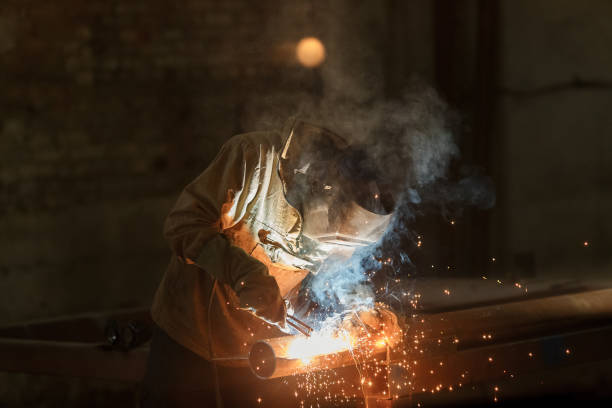
Unlike traditional construction methods, steel components are fabricated in factories using advanced manufacturing technologies before being transported to the construction site. This process minimizes material waste, improves quality control, and significantly shortens project timelines.
Steel structures are commonly used for industrial facilities, warehouses, airports, shopping centers, commercial buildings, sports arenas, agricultural buildings, and increasingly for residential developments.
What Are Conventional Concrete Buildings?
When evaluating Euro Steel Structure vs Conventional Concrete Buildings, it is equally important to understand conventional concrete construction. Concrete buildings rely on reinforced concrete, where steel reinforcement bars are embedded within concrete to increase tensile strength.
Concrete construction has been the backbone of urban development for generations due to its availability, familiarity among contractors, and excellent compressive strength. Concrete buildings are widely used for apartments, schools, hospitals, bridges, office towers, and infrastructure projects.
Although concrete remains one of the world’s most widely used construction materials, changing market demands have encouraged many developers to compare its performance with modern steel structures.
Construction Speed
One of the biggest advantages in Euro Steel Structure vs Conventional Concrete Buildings is construction speed.
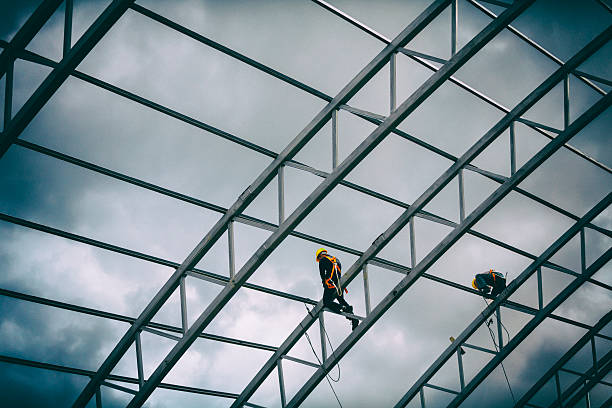
Steel structures are manufactured off-site while foundation work is being completed simultaneously. Once delivered, prefabricated steel components are assembled rapidly using bolts and welding techniques. This process dramatically reduces project duration.
Concrete construction, on the other hand, requires several time-consuming stages including formwork installation, reinforcement placement, concrete pouring, curing, and quality inspections. Weather conditions can further delay concrete curing, extending project schedules.
For commercial projects where time directly affects profitability, steel structures often provide a significant competitive advantage by reducing construction time by several weeks or even months.
Structural Strength
Another important consideration in Euro Steel Structure vs Conventional Concrete Buildings is structural performance.
Steel possesses one of the highest strength-to-weight ratios among construction materials. It can support heavy loads while using relatively lightweight structural members. This allows engineers to design larger open spaces with fewer supporting columns.
Concrete excels in compressive strength but requires steel reinforcement to handle tensile forces. Because concrete is heavier than steel, larger foundations are usually necessary, increasing excavation and material costs.
The lightweight nature of steel structures also makes them more suitable for areas with poor soil conditions where reducing structural weight becomes essential.
Steel Structure Company Checklist Before Starting Your Project
Design Flexibility
Architectural freedom plays a major role when comparing Euro Steel Structure vs Conventional Concrete Buildings.
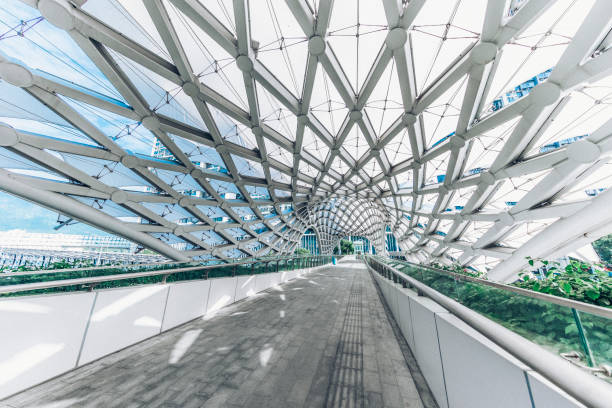
Steel allows architects to create complex geometries, long-span roofs, curved designs, and modern building aesthetics that would be difficult or expensive to achieve using concrete.
Large warehouses, exhibition halls, manufacturing plants, airports, and sports facilities frequently rely on steel because it enables column-free interior spaces that maximize usable floor area.
Concrete offers design flexibility as well but generally requires thicker walls, larger columns, and additional structural support for wide spans.
Cost Considerations
Cost is often the deciding factor in Euro Steel Structure vs Conventional Concrete Buildings.
The initial price of structural steel may sometimes appear higher than concrete materials. However, total project costs often tell a different story.
Steel structures reduce labor expenses due to faster installation. Smaller foundations lower excavation costs. Reduced construction time minimizes equipment rental, financing expenses, and project overhead.
Concrete may have lower material costs in some regions, but longer construction schedules, higher labor requirements, and ongoing maintenance can increase overall project expenses.
Project owners should evaluate life-cycle costs rather than focusing solely on initial construction budgets.
Durability and Longevity
Durability is another essential aspect of Euro Steel Structure vs Conventional Concrete Buildings.
Modern structural steel receives protective coatings such as galvanization, epoxy paint, or specialized corrosion-resistant finishes. With proper maintenance, steel buildings can remain functional for many decades while maintaining structural integrity.
Concrete structures are also highly durable but may develop cracks due to temperature changes, shrinkage, water penetration, or foundation movement. Over time, these cracks may expose reinforcement bars to corrosion, requiring expensive repairs.
Routine inspections and preventive maintenance are important for both construction methods, although properly protected steel structures often simplify long-term maintenance planning.
Sustainability and Environmental Impact
Environmental responsibility has become a major factor in Euro Steel Structure vs Conventional Concrete Buildings.
Steel is one of the world’s most recyclable construction materials. Structural steel can be recycled repeatedly without losing its mechanical properties. Many steel buildings contain a significant percentage of recycled material, reducing environmental impact.
Additionally, factory-controlled production generates less construction waste than traditional on-site concrete work.
Concrete production, particularly cement manufacturing, contributes significantly to global carbon dioxide emissions. While modern concrete technologies continue improving sustainability, steel generally offers better recycling potential and supports circular economy principles.
Fire Resistance
Fire safety is an essential factor when comparing Euro Steel Structure vs Conventional Concrete Buildings. Both materials perform differently under high temperatures and require specific design strategies to comply with modern building regulations.

Concrete naturally resists fire because it does not burn and has low thermal conductivity. This characteristic allows concrete structures to maintain their integrity for longer periods during a fire. However, prolonged exposure to extreme heat can cause concrete to crack or spall, potentially weakening the structure.
Steel does not burn, but it loses strength when exposed to very high temperatures. Fortunately, modern Euro steel structures are protected with fire-resistant coatings, intumescent paints, or fireproof cladding that significantly improves their fire performance. With proper engineering and protection systems, steel buildings can meet or exceed international fire safety standards while maintaining structural reliability.
Maintenance Requirements
Maintenance is another key consideration in Euro Steel Structure vs Conventional Concrete Buildings because long-term operational costs directly affect the total investment.
Steel buildings generally require periodic inspections to ensure that protective coatings remain intact and connections stay secure. In environments with high humidity or exposure to corrosive substances, additional protective treatments may be recommended. However, these maintenance tasks are usually straightforward and cost-effective.
Concrete buildings often require repairs for cracks, moisture penetration, and deterioration caused by freeze-thaw cycles or chemical exposure. Reinforced concrete may also experience corrosion of embedded steel reinforcement over time, leading to expensive restoration work. Regular inspections help identify these issues before they become major structural problems.
Earthquake Performance
One of the strongest advantages of Euro Steel Structure vs Conventional Concrete Buildings is the superior seismic performance of steel structures.
Steel is naturally flexible and ductile, allowing it to absorb and dissipate seismic energy during earthquakes. Instead of cracking under sudden movement, steel members can deform without catastrophic failure, providing greater safety for occupants.
Concrete structures are heavier and less flexible. Although modern reinforced concrete buildings are designed to resist earthquakes, they generally experience more cracking under seismic loads. In regions with frequent seismic activity, engineers often prefer steel because its lighter weight reduces earthquake forces acting on the structure.
Energy Efficiency
Energy efficiency has become increasingly important when evaluating Euro Steel Structure vs Conventional Concrete Buildings. Modern construction focuses not only on structural performance but also on reducing operational energy costs.
Steel buildings can easily incorporate advanced insulation systems, insulated wall panels, reflective roofing materials, and energy-efficient glazing. These features help maintain stable indoor temperatures while reducing heating and cooling expenses throughout the building’s lifetime.
Concrete also provides thermal mass, allowing it to absorb heat during the day and release it slowly at night. This characteristic can improve indoor comfort in certain climates. However, achieving maximum energy efficiency often requires additional insulation and specialized building envelope designs.
Applications of Steel Structures
The comparison of Euro Steel Structure vs Conventional Concrete Buildings becomes clearer when examining their practical applications.
Euro steel structures are widely used in:
- Industrial factories
- Warehouses
- Logistics centers
- Commercial buildings
- Aircraft hangars
- Shopping malls
- Sports stadiums
- Agricultural facilities
- Modular buildings
- Office complexes
Their ability to support long spans without intermediate columns makes them ideal for projects requiring large open spaces and flexible interior layouts.
Applications of Concrete Buildings
While discussing Euro Steel Structure vs Conventional Concrete Buildings, it is important to recognize that concrete remains the preferred choice for many projects.
Concrete buildings are commonly selected for:
- Residential apartments
- High-rise towers
- Hospitals
- Schools
- Parking garages
- Bridges
- Water treatment facilities
- Dams
- Public infrastructure
Concrete’s excellent compressive strength and familiarity among contractors make it suitable for projects where traditional construction methods are preferred.
Which Option Offers Better Long-Term Value?
The debate over Euro Steel Structure vs Conventional Concrete Buildings ultimately depends on project priorities.
If speed, sustainability, flexibility, and reduced labor costs are the primary objectives, Euro steel structures often provide greater long-term value. Faster construction allows businesses to begin operations sooner, reducing financing costs and accelerating return on investment.
On the other hand, projects that prioritize thermal mass, traditional construction techniques, or specific architectural requirements may still benefit from reinforced concrete construction.
Rather than asking which material is universally better, decision-makers should evaluate project location, budget, building purpose, environmental conditions, and expected lifespan before selecting the most appropriate structural system.
Conclusion
Choosing between Euro Steel Structure vs Conventional Concrete Buildings is one of the most important decisions in modern construction. Both systems offer proven performance, but they excel in different areas depending on project requirements.
Steel structures provide faster construction, lighter weight, excellent seismic performance, superior design flexibility, and outstanding sustainability through high recyclability. Conventional concrete buildings continue to offer exceptional compressive strength, durability, and widespread acceptance across many sectors.
For industrial, commercial, and large-scale developments, many developers increasingly favor steel because of its efficiency and long-term economic benefits. Ultimately, understanding Euro Steel Structure vs Conventional Concrete Buildings allows investors, architects, and engineers to choose the structural solution that best matches their goals. Careful planning, professional engineering, and quality materials ensure that both Euro Steel Structure vs Conventional Concrete Buildings can deliver safe, durable, and high-performing buildings for decades.
Frequently Asked Questions (FAQ)
1. Which is more cost-effective: Euro steel structures or conventional concrete buildings?
The answer depends on the project. Steel structures often reduce labor costs and construction time, while concrete may have lower material costs in some regions. Overall life-cycle costs frequently favor steel due to lower maintenance and faster project completion.
2. Are Euro steel structures durable?
Yes. Modern Euro steel structures are designed to last for decades. Protective coatings, corrosion-resistant treatments, and regular inspections help maintain their structural integrity over a long service life.
3. Which construction method is faster?
Steel construction is generally much faster because structural components are prefabricated in factories and assembled on-site, while concrete requires formwork, pouring, curing, and additional finishing work.
4. Which option is better for earthquake-prone areas?
Steel structures usually perform better during earthquakes because of their flexibility, lighter weight, and ability to absorb seismic forces without significant structural damage.
5. Are steel buildings environmentally friendly?
Yes. Steel is one of the most recyclable construction materials in the world and can be reused multiple times without losing its structural properties. This significantly reduces waste and supports sustainable construction.
6. Do steel structures require more maintenance than concrete?
Not necessarily. Properly protected steel buildings generally require periodic inspections and maintenance of protective coatings, while concrete buildings may need repairs for cracking, water penetration, or reinforcement corrosion over time.
7. Which building type offers greater design flexibility?
Steel structures provide greater architectural flexibility because they allow for longer spans, larger open spaces, and more innovative building designs with fewer structural columns.
8. How do I choose between Euro steel structures and conventional concrete buildings?
The best choice depends on your project goals, budget, construction timeline, location, environmental conditions, and long-term operational requirements. Consulting experienced structural engineers can help determine the most suitable solution for your specific development.
Pingback: Euro Steel Structure