
Steel Structure Corrosion Protection: Methods and Best Practices
Steel is one of the most widely used materials in modern construction because of its strength, versatility, and efficiency.
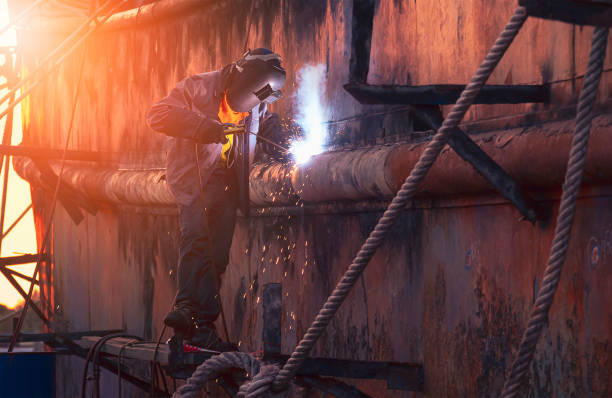
It is particularly valuable for industrial buildings, warehouses, factories, bridges, commercial facilities, and large-span structures. However, like many metals, steel can be affected by corrosion when exposed to moisture, oxygen, chemicals, salts, and other aggressive environmental conditions.
Corrosion can gradually reduce the appearance, performance, and service life of a steel structure. If it is not properly controlled, it may eventually affect structural components and lead to costly repairs or premature replacement.
Fortunately, modern corrosion protection methods can significantly reduce these risks. Proper material selection, surface preparation, protective coatings, galvanization, good detailing, and regular maintenance all play an important role in protecting steel structures.
In this guide, we examine the main causes of steel corrosion, the most effective protection methods, and the best practices that should be considered when designing and maintaining an industrial steel structure.
What Is Corrosion in Steel Structures?
Corrosion is the gradual deterioration of steel caused by chemical or electrochemical reactions with its surrounding environment.
The most common form is atmospheric corrosion, which occurs when steel is exposed to moisture and oxygen.
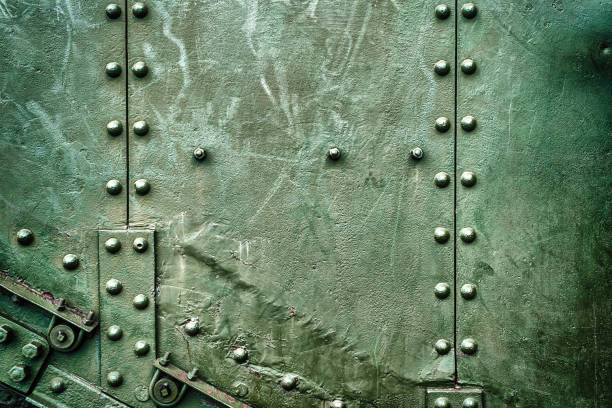
When an unprotected steel surface remains exposed to humid conditions, oxidation can occur and produce iron oxide, commonly known as rust. Over time, continued corrosion can reduce the thickness of steel components and potentially affect their structural capacity.
The speed at which corrosion develops depends on several factors, including humidity, temperature, exposure to rain, salt, industrial chemicals, pollutants, and the quality of the protective system.
For this reason, corrosion protection should be considered from the earliest stages of a steel construction project rather than treated as an afterthought.
Why Is Corrosion Protection Important?
Effective corrosion protection provides several important benefits for steel structures.
Extending Structural Service Life
The primary purpose of corrosion protection is to prevent or slow down deterioration. A properly protected structure can maintain its structural performance for a much longer period.
This is particularly important for industrial facilities where replacing major structural components can interrupt operations and create significant costs.
Reducing Maintenance Costs
Regular maintenance is necessary for steel structures, but an effective protective system can reduce the frequency and extent of repairs.
Investing in suitable corrosion protection during construction can therefore help reduce long-term maintenance expenses.
Preserving Structural Performance
Corrosion can reduce the cross-sectional area of steel components. If deterioration becomes significant, it can affect the strength and load-bearing capacity of structural elements.
Preventing corrosion helps preserve the original design performance of beams, columns, connections, roof systems, and other steel components.
Improving Appearance
For commercial and industrial buildings where appearance matters, protective coatings can help maintain a clean and consistent finish.
This is particularly useful for visible structural steel and architectural applications.
Main Causes of Steel Corrosion
Understanding the environment surrounding a structure is essential when selecting a corrosion protection system.
Moisture and Humidity
Water is one of the most important factors contributing to corrosion. Buildings located in areas with high humidity, frequent rainfall, or condensation may require enhanced protection.
Coastal and Marine Environments
Salt and chloride exposure can accelerate corrosion significantly. Steel structures located near coastlines or exposed to marine environments may require specialized coatings, galvanization, or other enhanced protection systems.
Industrial Environments
Industrial facilities can contain chemicals, pollutants, gases, and other substances that increase corrosion risk. The type and concentration of these substances should be considered when selecting protective materials.
Poor Water Drainage
Water that remains trapped on steel surfaces can increase the risk of corrosion. Structural detailing should therefore encourage drainage and prevent unnecessary water accumulation.
Methods of Steel Structure Corrosion Protection
Several methods are available for protecting steel structures.
The appropriate solution depends on the environment, structure type, expected service life, accessibility, and project requirements.
1. Protective Paint and Coating Systems
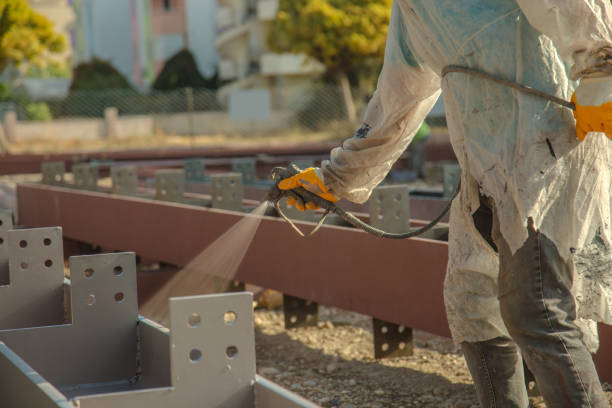
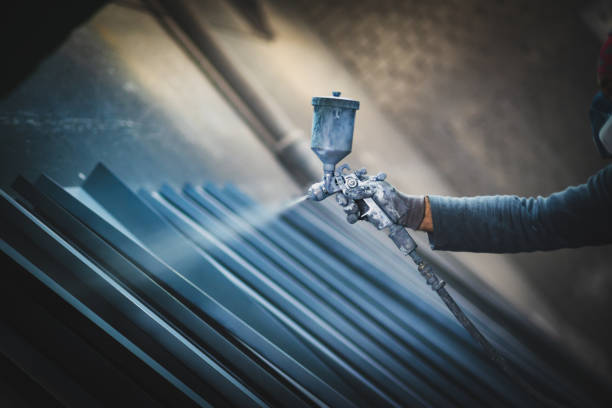
Painting is one of the most common methods of protecting structural steel.
A typical coating system may include several layers, such as a primer, intermediate coating, and finishing coat. Each layer performs a specific function.
The primer helps establish adhesion and provides initial corrosion protection. Intermediate coatings can increase the thickness and durability of the protective system, while the topcoat provides additional resistance to environmental exposure and creates the desired finish.
The coating system should be selected according to the project’s environmental conditions. A system suitable for a dry indoor warehouse may not provide sufficient protection for a coastal or chemically aggressive environment.
2. Hot-Dip Galvanization
Hot-dip galvanization involves immersing steel components in molten zinc. The process creates a protective zinc coating over the steel surface.
One of the key advantages of galvanization is that zinc provides both barrier protection and sacrificial protection. If a small area of the coating becomes damaged, the zinc can provide a degree of protection to the exposed steel.
Galvanized steel is widely used for structural components, outdoor structures, industrial equipment, platforms, and applications where long-term corrosion resistance is important.
3. Metallizing
Metallizing involves applying a layer of molten zinc or zinc-aluminum alloy to a prepared steel surface using a thermal spraying process.
This method can provide durable corrosion protection and is useful for certain large structural components and demanding environments.
The choice between metallizing, galvanizing, and conventional coating systems depends on factors such as component dimensions, environmental exposure, project specifications, and required service life.
4. Duplex Protection Systems
A duplex system combines galvanization with an additional organic coating, such as paint.
The combination can provide enhanced protection because the zinc layer protects the steel while the paint system provides an additional barrier against the environment.
Duplex systems can be particularly useful when a project requires both strong corrosion resistance and a specific architectural appearance.
5. Cathodic Protection
Cathodic protection is another corrosion-control technique, although it is more commonly associated with structures exposed to water or soil, such as pipelines, tanks, offshore structures, and certain marine applications.
The system works by controlling the electrochemical reaction responsible for corrosion.
For conventional building structures, protective coatings and galvanization are generally more common, but cathodic protection can be appropriate for specialized projects.
The Importance of Surface Preparation
One of the most important factors affecting the performance of a protective coating is surface preparation.
Before applying paint or another coating, the steel surface needs to be properly cleaned and prepared. Contaminants such as oil, grease, dirt, mill scale, and existing corrosion can interfere with coating adhesion.
Depending on the project requirements, preparation methods may include mechanical cleaning, abrasive blasting, or other approved processes.
Poor surface preparation can significantly reduce the effectiveness and service life of even a high-quality coating system.
Corrosion Protection Through Good Structural Design
Corrosion protection is not limited to applying paint or zinc. The design of the structure itself can influence corrosion risk.
Engineers should avoid unnecessary areas where water, dirt, or moisture can accumulate. Proper drainage, accessible surfaces, appropriate connections, and suitable detailing can make inspection and maintenance easier.
For example, enclosed sections or narrow gaps that are difficult to inspect can create environments where moisture remains trapped. Good structural detailing can minimize these risks.
Best Practices for Protecting Steel Structures
A successful corrosion protection strategy should consider the entire life cycle of the structure.
Assess the Environment
Before selecting a protection system, evaluate the building’s exposure conditions. Consider humidity, rainfall, salt, chemicals, temperature variations, pollution, and whether the structure is indoors or outdoors.
Select the Appropriate Protection System
Do not select a coating simply because it is inexpensive or commonly used. The protection system should be appropriate for the expected environmental exposure and required service life.
Follow Proper Application Procedures
Protective coatings should be applied according to the manufacturer’s technical requirements. Surface preparation, environmental conditions, coating thickness, drying time, and application methods can all affect performance.
Inspect the Structure Regularly
Regular inspections can identify early signs of corrosion, coating deterioration, mechanical damage, or water accumulation.
Early intervention is generally much easier and less expensive than repairing advanced corrosion.
Repair Damaged Areas Promptly
Scratches, damaged coatings, exposed steel, and failed sealants should be repaired as soon as practical. Small areas of damage can become starting points for more extensive corrosion.
Corrosion Protection in Industrial Steel Buildings
Industrial buildings can face particularly demanding environmental conditions. Factories, warehouses, workshops, processing plants, and logistics facilities may experience humidity, condensation, chemicals, dust, or outdoor exposure.
Therefore, corrosion protection should be integrated into the building’s engineering and fabrication process.
Euro Steel International provides steel structure solutions for industrial and commercial projects, where appropriate material selection, fabrication quality, protective systems, and structural design are important considerations.
By addressing corrosion protection during the planning stage, project owners can make more informed decisions about materials, coatings, maintenance, and expected service life.
Conclusion
Corrosion is one of the main long-term challenges associated with exposed steel structures, but it can be effectively managed through proper engineering, material selection, surface preparation, protective coatings, galvanization, good structural detailing, and regular maintenance.
There is no universal corrosion protection system suitable for every project. The right solution depends on the building’s location, environmental exposure, structural requirements, expected service life, and maintenance strategy.
For industrial and commercial steel buildings, incorporating corrosion protection from the beginning can help preserve structural performance, reduce maintenance requirements, and protect the long-term value of the investment.
Working with an experienced steel structure provider such as Euro Steel International can help ensure that corrosion protection is considered as part of the overall structural and construction strategy.
Frequently Asked Questions (FAQ)
What causes corrosion in steel structures?
Steel corrosion is primarily caused by exposure to moisture and oxygen. Salt, chemicals, pollutants, humidity, and poor drainage can accelerate the corrosion process.
What is the most common method of protecting structural steel?
Protective coating systems are among the most common methods. Depending on the environment, other solutions such as hot-dip galvanization, metallizing, or duplex systems may also be appropriate.
Is galvanized steel resistant to corrosion?
Yes. Galvanization provides a protective zinc layer that helps shield steel from corrosion. The service life of galvanized steel depends on factors such as coating thickness and environmental exposure.
How often should steel structures be inspected for corrosion?
Inspection frequency depends on the building’s environment, protective system, age, and exposure conditions. Structures in aggressive environments generally require more frequent inspections than those in relatively mild indoor conditions.
Can painted steel structures still corrode?
Yes. Paint provides a protective barrier, but corrosion can occur if the coating becomes damaged, deteriorates, or was applied over an inadequately prepared surface. Regular inspection and timely maintenance are therefore important.
Is corrosion protection necessary for indoor steel buildings?
It depends on the indoor environment. Dry, controlled indoor conditions may present a lower corrosion risk, while facilities with high humidity, condensation, chemicals, or industrial processes may require significant protection.
How can structural design reduce corrosion risk?
Good design can reduce corrosion by providing effective drainage, avoiding water traps, minimizing inaccessible areas, and allowing important steel surfaces to be inspected and maintained.
Can an existing steel structure be treated for corrosion?
Yes. Existing structures can often be inspected, cleaned, repaired, and recoated. The appropriate treatment depends on the extent of corrosion, existing coating condition, structural condition, and environmental exposure.