
How Kirby Buildings Reduce Project Costs
How Kirby Buildings Reduce Project Costs is a practical topic because the answer is not limited to the price of steel or the cost of materials alone. It also includes time savings, labor efficiency, reduced waste, easier planning, and lower expenses over the life of the building.
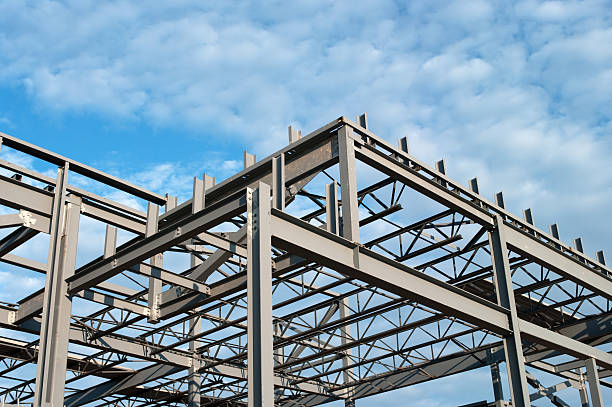
When a project is designed with those factors in mind, the final budget can become much more predictable and often much lower than with conventional construction.
How Kirby Buildings Reduce Project Costs can be explained clearly by looking at the full project cycle, from design and fabrication to installation and long-term operation. Kirby-style pre-engineered steel buildings are built around efficiency, which means less time on site, fewer surprises during construction, and less money spent on delays or rework. That combination is what makes them attractive for industrial, commercial, and storage projects where cost control matters.
Faster Construction
How Kirby Buildings Reduce Project Costs starts with speed. In traditional construction, many building elements are made and adjusted on site, which takes time and often creates scheduling problems. In contrast, pre-engineered buildings are manufactured in advance according to exact specifications, so a large part of the work is completed before materials ever reach the site.

How Kirby Buildings Reduce Project Costs because faster construction directly lowers overhead. Every extra day on a construction site can mean more labor, more equipment rental, more supervision, and more exposure to weather delays. When the structure is designed for quick assembly, the project can move from foundation to completion more efficiently, which saves both time and money.
How Kirby Buildings Reduce Project Costs also by helping businesses start operations sooner. If a warehouse, workshop, factory, or commercial facility opens earlier than expected, the owner can begin generating revenue sooner. That timing advantage is often overlooked, but it can be one of the biggest financial benefits of an efficient building system.
Lower Labor Costs
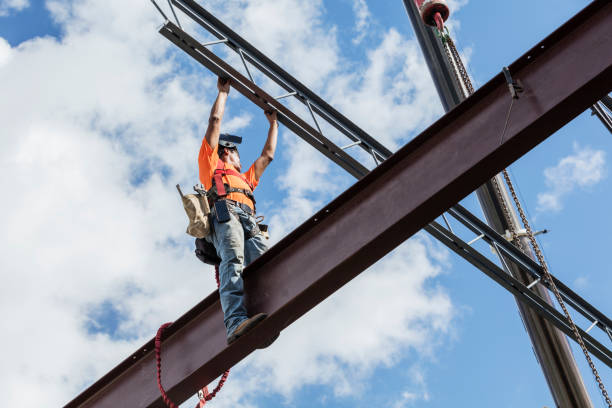
How Kirby Buildings Reduce Project Costs through lower labor requirements is another major advantage. Traditional construction methods usually require a larger number of workers over a longer period, and many tasks need highly coordinated on-site labor. Pre-engineered steel buildings simplify much of that process by moving design and fabrication into a controlled setting before installation begins.
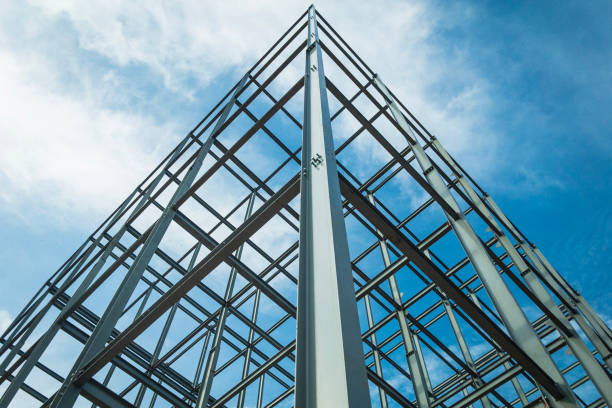
How Kirby Buildings Reduce Project Costs because a simpler assembly process means fewer man-hours. Fewer man-hours usually lead to lower wages, less overtime, and less pressure to keep a large crew on the job for extended periods. This is especially important in markets where labor costs are rising or where skilled workers are difficult to schedule consistently.
How Kirby Buildings Reduce Project Costs even further because reduced labor complexity lowers the risk of mistakes. When a system is planned in advance and the components are made to fit precisely, crews spend less time correcting problems. Less rework means fewer wasted resources and a smoother construction process from beginning to end.
Less Material Waste
How Kirby Buildings Reduce Project Costs by reducing waste is one of the strongest financial arguments for pre-engineered steel construction. In conventional projects, materials are often cut, adjusted, or discarded on site, which creates waste and raises costs. In a well-planned steel building system, components are manufactured to precise dimensions, which significantly reduces excess material.
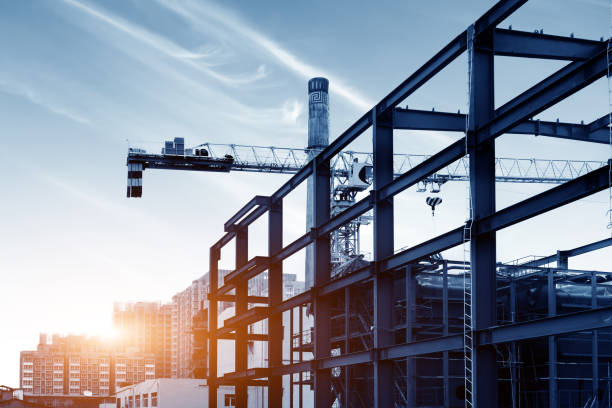
How Kirby Buildings Reduce Project Costs because efficient material usage reduces purchasing waste and disposal expenses. Every piece of unused material, damaged item, or incorrect cut adds to the overall bill. When the structure is fabricated accurately from the start, those losses become much smaller.
How Kirby Buildings Reduce Project Costs also by improving supply planning. Since the parts are engineered ahead of time, the project team can estimate quantities more accurately and avoid over-ordering. Better material control helps keep the budget stable and prevents unnecessary spending that can quietly accumulate during a project.
Better Budget Control
How Kirby Buildings Reduce Project Costs is not only about cutting expenses; it is also about controlling them. One of the biggest problems in construction is unexpected cost growth, often caused by design changes, delayed decisions, or site complications. Kirby-style buildings are engineered in advance, which makes it easier to estimate costs early and reduce uncertainty.
How Kirby Buildings Reduce Project Costs because owners can usually plan more accurately before construction starts. This helps with financing, procurement, scheduling, and cash flow management. When a project has clearer cost expectations, the owner is less likely to face sudden budget pressure later in the process.
How Kirby Buildings Reduce Project Costs also by reducing the number of costly changes during execution. Since the building system is already designed around known dimensions and requirements, there is less room for major surprises. That predictability can be especially valuable for developers who need strict financial control and want to avoid budget overruns.
Reduced Foundation Costs
How Kirby Buildings Reduce Project Costs can also be seen in the foundation stage. Steel buildings are often lighter than many traditional structures, which may reduce the amount of foundation material needed. Because the structural load is more efficient, the foundation design may be simpler and less expensive.
How Kirby Buildings Reduce Project Costs through foundation savings because less concrete, less excavation, and less reinforcement can mean a lower upfront construction bill. Foundations are one of the most expensive parts of many projects, so even a modest reduction in foundation work can create meaningful savings.
How Kirby Buildings Reduce Project Costs especially in large industrial or commercial facilities where square footage is substantial. In those projects, small savings per square meter can add up quickly. A more efficient structural system can therefore influence the overall budget in a major way.
Lower Transportation and Handling Costs
How Kirby Buildings Reduce Project Costs can also happen before installation begins. Because pre-engineered components are manufactured to fit the project, they can be transported in a more organized way than many custom site-built materials. This reduces confusion, improves logistics, and can lower handling costs.
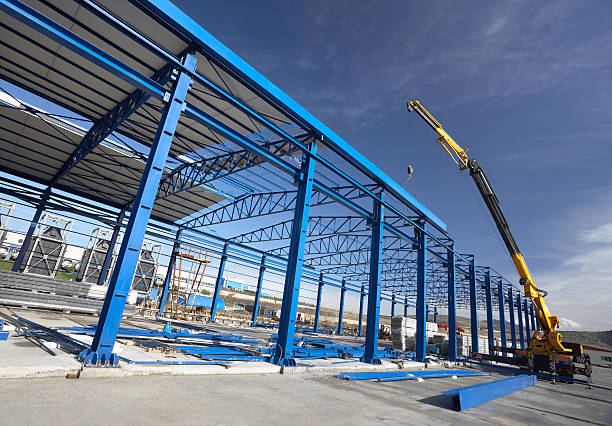
How Kirby Buildings Reduce Project Costs because fewer oversized or unnecessary materials need to be brought to the site. Better planning means the project can receive exactly what it needs when it needs it. That lowers storage problems, reduces material damage, and makes the entire supply chain more efficient.
How Kirby Buildings Reduce Project Costs further because simpler logistics often lead to fewer delays. When materials arrive in the right sequence and are easier to manage on site, crews can keep moving without interruption. That improves productivity and avoids expensive downtime.
Lower Maintenance Costs
How Kirby Buildings Reduce Project Costs continues after construction is finished. A building is not only an initial investment; it is also a long-term operating expense. Steel building systems are often valued for their durability, which can reduce the need for frequent repairs and maintenance.
How Kirby Buildings Reduce Project Costs because durable structural components can last a long time with less attention. Compared with materials that may rot, warp, crack, or require repeated replacement, steel can offer a more stable long-term solution. This means owners may spend less on repairs over the life of the building.
How Kirby Buildings Reduce Project Costs also because simpler maintenance helps reduce disruption. If a facility can remain operational with fewer interruptions, the owner avoids the hidden cost of downtime. That matters for businesses that depend on uninterrupted use of the building for production, storage, or service delivery.
Energy Efficiency Savings
How Kirby Buildings Reduce Project Costs is also connected to operating efficiency. Many steel building systems can be designed with insulation, reflective surfaces, and energy-conscious envelope solutions that help reduce heating and cooling demands. Those features can lower utility costs over time.
How Kirby Buildings Reduce Project Costs because energy expenses are a recurring part of ownership. Even if the initial construction budget is slightly different from another option, lower monthly utility bills can make a strong difference in the total cost of ownership. In many cases, these long-term savings matter more than the first construction price.
How Kirby Buildings Reduce Project Costs also by supporting modern efficiency upgrades. Owners can often integrate insulation, ventilation, and climate-control solutions more easily in a pre-engineered system. That flexibility helps improve comfort while keeping operating costs under better control.
Lower Insurance Risk
How Kirby Buildings Reduce Project Costs may also include insurance-related savings. Steel is often considered more resistant to certain risks than some conventional building materials, especially when fire resistance is an important factor. Lower risk can sometimes contribute to lower insurance expenses.
How Kirby Buildings Reduce Project Costs because insurers may view a durable steel structure as a lower-risk asset in certain project categories. While insurance costs depend on many variables, risk reduction is still a meaningful part of the financial picture. Over the long term, a safer and more resilient building can support lower ownership costs.
How Kirby Buildings Reduce Project Costs also by reducing the likelihood of expensive damage. If a building performs well under stress, the owner may avoid major repair claims or business interruptions. That resilience is valuable in projects where reliability matters just as much as initial price.
Easier Expansion Later
How Kirby Buildings Reduce Project Costs can be important not only at the beginning, but also in the future. Many businesses choose pre-engineered steel systems because they are easier to expand or modify later than some traditional structures. That flexibility can save money when the company grows.
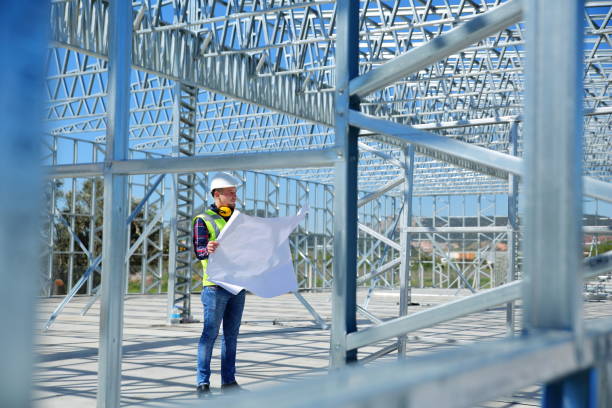
How Kirby Buildings Reduce Project Costs because future expansion may not require major demolition or complex reconstruction. If the original building is designed with growth in mind, the owner can add new space more efficiently. This avoids the high cost of replacing an entire facility just to accommodate increased demand.
How Kirby Buildings Reduce Project Costs also because planning for future use reduces the chance of expensive redesigns. A flexible building system gives the owner more options and helps protect the original investment. That long-term adaptability can be one of the smartest cost-saving features of all.
Project Timeline Advantages
How Kirby Buildings Reduce Project Costs through better scheduling is often underestimated. When a project runs late, the cost does not remain static. Delays can increase labor expenses, push back business operations, raise financing costs, and create knock-on effects across the whole development plan.
How Kirby Buildings Reduce Project Costs because the timeline is generally more controlled. Prefabrication, straightforward assembly, and fewer site-dependent variables help keep the work moving. A more stable timeline makes it easier for owners to manage their budgets and avoid the hidden costs of construction delays.
How Kirby Buildings Reduce Project Costs also because faster completion reduces financial exposure. If a project is financed, every extra month can affect interest, administration, and opportunity cost. A building system that shortens delivery time can therefore produce savings that extend well beyond the construction site.
read also: Why Choose Kirby Building Systems for Industrial Buildings
FAQ
How Kirby Buildings Reduce Project Costs in simple terms?
How Kirby Buildings Reduce Project Costs by making construction faster, easier, and more efficient. They reduce labor needs, limit waste, and can lower long-term expenses such as maintenance and energy use.
How Kirby Buildings Reduce Project Costs compared with traditional construction?
How Kirby Buildings Reduce Project Costs compared with traditional construction because many parts are engineered and fabricated ahead of time. This usually means less onsite labor, fewer delays, and better cost predictability.
How Kirby Buildings Reduce Project Costs over time?
How Kirby Buildings Reduce Project Costs over time by reducing maintenance needs, improving energy efficiency, and offering durable performance. These savings can continue long after the building is completed.
Are Kirby Buildings suitable for all project types?
How Kirby Buildings Reduce Project Costs most clearly in industrial, warehouse, storage, commercial, and similar projects. They may also be useful in many other applications where speed, efficiency, and budget control are important.
Conclusion
How Kirby Buildings Reduce Project Costs is best understood as a combination of savings, not just one single factor. Faster construction, lower labor demand, less waste, reduced foundation requirements, better energy performance, and easier maintenance all work together to bring down the overall project cost. For owners who want a practical balance between quality and efficiency, this approach can be very effective.
How Kirby Buildings Reduce Project Costs is also about long-term value, not just the first invoice. When a building is faster to complete, simpler to manage, and cheaper to operate, the financial benefit continues well after handover. That is why this type of construction is often seen as a smart investment for businesses that care about both immediate savings and future performance.