
PEB Timeline: How Many Weeks from Design to Delivery?
One of the most common questions investors and developers ask before starting a steel project is: how long will it take from concept to handover?
In this complete guide to PEB Timeline: How Many Weeks from Design to Delivery?, we break down every project phase and explain what truly affects the schedule.
Understanding the PEB Timeline: How Many Weeks from Design to Delivery? is essential for planning budgets, coordinating site preparation, and aligning operational launch targets.
While Pre-Engineered Buildings (PEB) are significantly faster than conventional construction, multiple variables still influence the total duration.
From engineering design and factory production to shipping, erection, and final handover, each stage plays a crucial role.
By mastering the full PEB Timeline: How Many Weeks from Design to Delivery?, project owners can reduce delays and optimize execution efficiency.
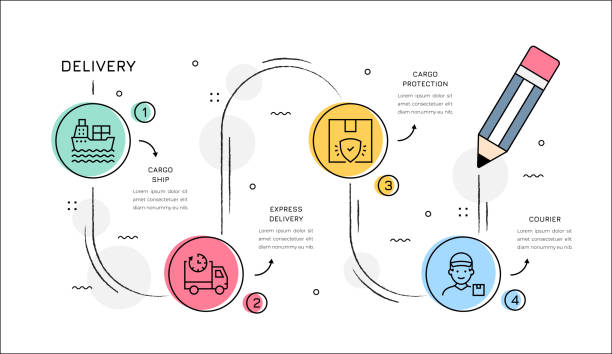
Project Phases: Design → Fabrication → Shipping → Erection → Handover
Project Phases: Design → Fabrication → Shipping → Erection → Handover
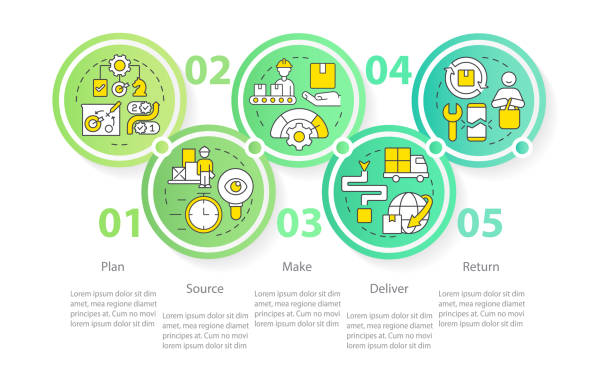
The PEB Timeline: How Many Weeks from Design to Delivery? is structured into five primary stages.
Each phase must be carefully coordinated to avoid bottlenecks and schedule overlap issues.
The design stage includes structural analysis, shop drawings, and approval cycles.
Once approved, fabrication begins in the factory under controlled production systems.
After manufacturing, steel components are shipped to the project site.
Erection follows a planned sequence including column installation, rafters, bracing, and secondary members.
Finally, inspection, alignment verification, bolt torque checks, and documentation preparation lead to final handover.
Each stage is interdependent, meaning delays in one phase directly impact the next.
Having a clear understanding of these phases is fundamental to accurately estimating the PEB Timeline: How Many Weeks from Design to Delivery?.
Design & Engineering Duration: What Affects It?
Design & Engineering Duration: What Affects It?
The design phase is the foundation of the PEB Timeline: How Many Weeks from Design to Delivery?.
Depending on project size and complexity, this stage typically ranges from 1 to 4 weeks.
Several factors influence design duration. Larger spans, heavy crane loads, mezzanine floors, or complex architectural requirements increase engineering calculation time.
Additionally, soil reports and wind load classifications significantly affect structural modeling.
Client approval cycles also play a major role. Delays in reviewing and approving drawings can extend the schedule.
Changes during the design phase require recalculation and revision, further impacting timelines.
Having clear specifications and early coordination meetings can significantly reduce engineering delays.
Efficient engineering management ensures that the PEB Timeline: How Many Weeks from Design to Delivery?
remains on track from the very beginning.
Fabrication Duration: Materials, Production Capacity, and Project Complexity
Fabrication Duration: Materials, Production Capacity, and Project Complexity

Fabrication is often the longest phase in the PEB Timeline: How Many Weeks from Design to Delivery?, typically ranging from 3 to 8 weeks depending on project scale.
Material availability is a primary factor.
Steel coil supply, plate thickness requirements, and special coatings may affect production lead times.
Factory production capacity also determines how quickly the project enters the manufacturing queue.
Complex projects with heavy connections, built-up sections, or customized components require additional welding and quality control procedures.
Surface treatment such as galvanizing or specialized coating systems may add extra time.
Efficient production planning and early material procurement significantly reduce risks of delay.
Managing fabrication properly is critical to maintaining an accurate PEB Timeline: How Many Weeks from Design to Delivery?.
Shipping, Customs Clearance, and Supply: Factors That Delay the Schedule
Shipping, Customs Clearance, and Supply: Factors That Delay the Schedule

Shipping logistics are a crucial yet often underestimated part of the PEB Timeline: How Many Weeks from Design to Delivery?.
Depending on the project location, shipping may take 1 to 4 weeks.
International projects are influenced by port congestion, container availability, and customs clearance procedures.
Missing documentation or incorrect shipping manifests can create unexpected delays.
Weather conditions and transportation limitations also affect delivery timing.
Oversized steel components may require special permits or route planning.
Early coordination with freight forwarders and proper documentation preparation are essential to avoid logistical setbacks.
Proper logistics management ensures the PEB Timeline: How Many Weeks from Design to Delivery? remains predictable and controlled.
On-Site Erection Duration: Area Size, Cranes, and Workforce
On-Site Erection Duration: Area Size, Cranes, and Workforce

Erection speed is one of the strongest advantages of PEB systems within the PEB Timeline: How Many Weeks from Design to Delivery?.
For medium-scale industrial buildings, erection may take 2 to 6 weeks.
Building footprint size directly influences installation duration. Larger areas require more lifting cycles and alignment checks.
Crane capacity and availability also affect erection efficiency. Using appropriately sized cranes reduces repositioning time and accelerates workflow.
The experience level of the erection crew plays a significant role.
Skilled teams with proper supervision minimize alignment errors and rework.
Weather conditions, especially wind, can temporarily suspend lifting operations and impact schedule accuracy.
Efficient site coordination and crane planning are vital for optimizing the final stage of the PEB Timeline: How Many Weeks from Design to Delivery?.
Typical PEB Timeline Overview
| Project Phase | Average Duration | Key Influencing Factors |
| Design & Engineering | 1–4 Weeks | Complexity, approvals, load requirements |
| Fabrication | 3–8 Weeks | Material availability, factory capacity |
| Shipping & Delivery | 1–4 Weeks | Distance, customs, logistics |
| On-Site Erection | 2–6 Weeks | Area size, cranes, workforce |
| Final Handover | 1 Week | Inspection & documentation |
Total Estimated Duration: 8–20 Weeks depending on project scale and complexity.
This breakdown helps stakeholders clearly visualize the full PEB Timeline: How Many Weeks from Design to Delivery?.
Frequently Asked Questions (FAQ)
Q1: What is the fastest possible PEB timeline?
Small standard buildings can sometimes be completed within 8–10 weeks under optimal conditions.
Q2: What causes the biggest delays?
Design revisions, material shortages, and shipping documentation errors are among the most common causes.
Q3: Can fabrication start before final approval?
Generally no. Final approved drawings are required before manufacturing begins.
Q4: Does weather affect erection significantly?
Yes. High winds and heavy rain can delay lifting operations.
Q5: How can I shorten my PEB timeline?
By finalizing specifications early, selecting an experienced supplier, and ensuring clear communication throughout the project.
Conclusion
Understanding the full PEB Timeline: How Many Weeks from Design to Delivery? is essential for accurate planning and successful project execution.
While Pre-Engineered Buildings are known for their speed, multiple variables influence the overall schedule.
By managing design approvals efficiently, securing material supply early, coordinating logistics properly, and optimizing on-site erection processes, project owners can significantly reduce delays.
With the right contractor and clear execution strategy, the PEB Timeline: How Many Weeks from Design to Delivery? becomes predictable, efficient, and aligned with your operational goals.
Related articles:
Corrosion Protection for Steel Structures: Paint Systems & Galvanizing