
The Future of Steel Structures
The Future of Steel Structures promises revolutionary advancements that will redefine construction efficiency, sustainability, and resilience worldwide.
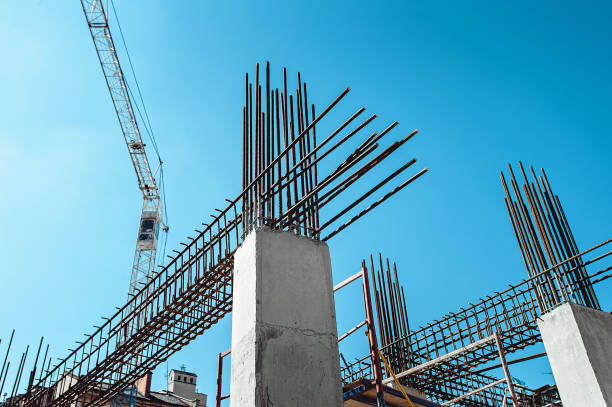
The Future of Steel Structures integrates cutting-edge technologies for smarter, greener buildings. This article explores these transformative trends shaping tomorrow’s infrastructure.
Smart Materials and Self-Healing Steel
The Future of Steel Structures features self-healing steels embedded with microcapsules that release corrosion inhibitors upon damage detection.
Shape-memory alloys automatically adjust to temperature fluctuations, maintaining structural integrity. The Future of Steel Structures through smart materials extends lifespans and reduces maintenance costs dramatically.
Hydrogen-Based Steel Production
The Future of Steel Structures relies on hydrogen direct reduction processes that eliminate coal from steelmaking, slashing CO2 emissions by 95 percent.
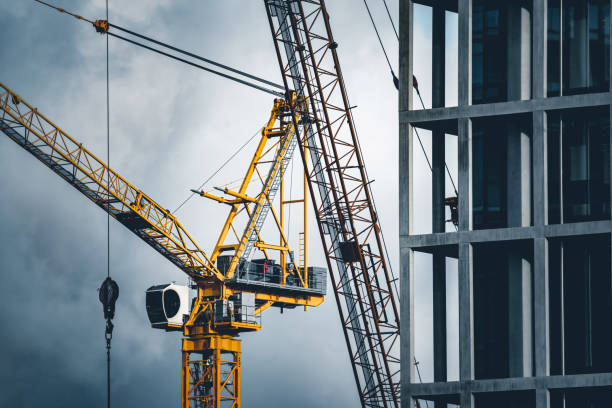
Green hydrogen from renewable energy powers these eco-friendly furnaces for virtually zero-carbon output. The Future of Steel Structures with clean production meets global decarbonization targets by 2035.
Advanced Modular Construction
The Future of Steel Structures embraces volumetric modular systems where entire building modules ship complete with MEP installations.
Factory precision ensures 50 percent faster assembly than traditional methods. The Future of Steel Structures via modularity minimizes site disruption and labor dependencies effectively.
AI-Driven Predictive Design
The Future of Steel Structures utilizes artificial intelligence to generate optimized designs considering thousands of variables like wind loads and seismic risks.
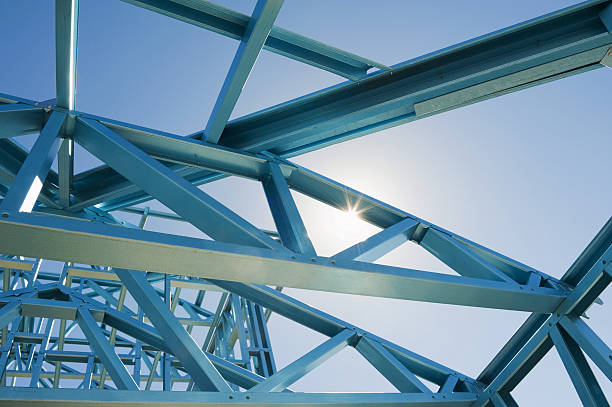
Machine learning refines structural models in real-time during fabrication. The Future of Steel Structures powered by AI achieves 25 percent material savings and enhanced safety.
Lightweight Ultra-High-Strength Steels
The Future of Steel Structures incorporates nanostructured steels with tensile strengths over 2 GPa, enabling ultra-lightweight high-rises. Nano-alloying with titanium and boron boosts fatigue resistance for long-span bridges.
The Future of Steel Structures through advanced alloys reduces foundation requirements significantly.
Digital Twins for Real-Time Monitoring
The Future of Steel Structures employs digital twins that mirror physical assets with live sensor data for predictive maintenance. Virtual simulations forecast wear patterns years in advance.
The Future of Steel Structures with digital twins prevent failures and optimize energy performance continuously.
Robotic Swarm Construction
The Future of Steel Structures deploys swarms of collaborative robots for on-site assembly, welding, and inspection tasks. Autonomous drones handle bolt tightening and quality checks with millimeter precision.
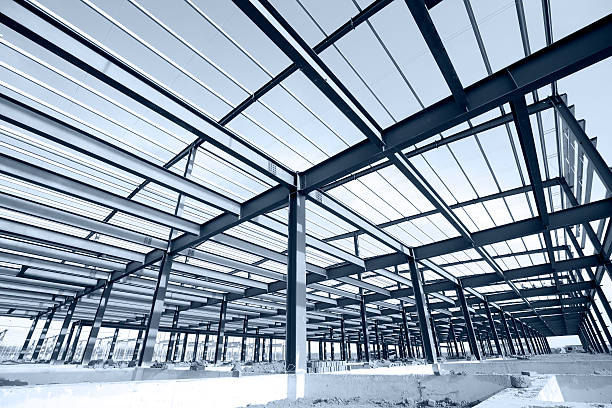
The Future of Steel Structures via robotics cuts construction timelines by 60 percent.
Sustainable Circular Economy Models
The Future of Steel Structures promotes fully recyclable designs using demountable connections for easy disassembly. Closed-loop recycling recovers 100 percent of steel content without quality loss. The Future of Steel Structures through circular practices support zero-waste building lifecycles.
Hybrid Composite Steel Systems
The Future of Steel Structures combines steel with carbon fiber-reinforced polymers for superior strength-to-weight ratios in seismic zones.
Hybrid beams offer fire resistance and corrosion immunity unmatched by pure steel. The Future of Steel Structures with composites enable unprecedented architectural freedom.
Climate-Resilient Adaptive Structures
The Future of Steel Structures integrates adaptive facades that morph with weather conditions using electroactive steel polymers.
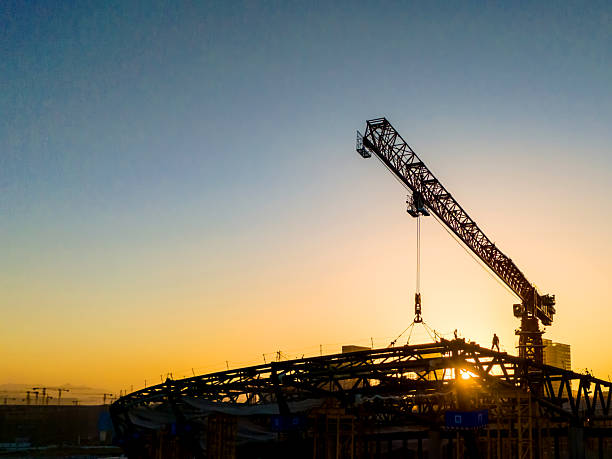
Morphing trusses self-adjust to extreme loads automatically. The Future of Steel Structures designed for resilience withstands intensifying storms and earthquakes.
3D-Printed Mega-Structures
The Future of Steel Structures leverages large-scale metal 3D printing for continuous beam printing without joints. Robotic arms extrude molten steel layer-by-layer for seamless megastructures.
The Future of Steel Structures via additive manufacturing revolutionizes complex geometries efficiently.
Energy-Harvesting Steel Elements
The Future of Steel Structures embeds piezoelectric layers in beams to generate electricity from structural vibrations. Solar-integrated steel panels power building operations autonomously.
The Future of Steel Structures with energy harvesting achieve net-positive energy status.
Global Case Studies Preview
The Future of Steel Structures materializes in NEOM’s The Line with fully prefabricated steel megastructures spanning 170 kilometers. Singapore’s adaptive steel skyscrapers demonstrate real-time morphing capabilities.

The Future of Steel Structures leads urban redevelopment worldwide.
Workforce and Regulatory Evolution
The Future of Steel Structures demands reskilling programs for digital fabrication and AI oversight roles. Updated codes standardize smart steel testing protocols.
The Future of Steel Structures balances innovation with safety through global standardization efforts.
The Future of Steel Structures
The Future of Steel Structures heralds an era of intelligent, sustainable, and adaptive construction paradigms. These innovations ensure steel remains the backbone of resilient infrastructure.
The Future of Steel Structures builds tomorrow’s world today with unmatched efficiency and vision.
Frequently Asked Questions (FAQ)
What makes self-healing steel key to The Future of Steel Structures?
Self-healing steel repairs micro-cracks autonomously, extending service life and cutting maintenance by 70 percent.
How does hydrogen production change The Future of Steel Structures?
Hydrogen eliminates fossil fuels in steelmaking, achieving near-zero emissions for sustainable construction.
Why is modular construction central to The Future of Steel Structures?
Modularity accelerates builds by 50 percent with factory quality and minimal site impact.
How does AI optimize The Future of Steel Structures?
AI explores design variants rapidly, saving 25 percent on materials while maximizing performance.
What benefits do ultra-high-strength steels bring to The Future of Steel Structures?
They enable lighter, taller structures with superior fatigue resistance for extreme applications.
How do digital twins transform The Future of Steel Structures?
Digital twins predict failures and optimize operations through real-time virtual monitoring.
What role do robotic swarms play in The Future of Steel Structures?
Swarms automate assembly with precision, reducing timelines by 60 percent safely.
Can steel structures become energy-positive in The Future of Steel Structures?
Yes, through piezoelectric and solar integration, generating more energy than consumed.
Steel Structure Design Process