
Fire Resistance in Steel Buildings
Fire safety is a critical consideration in modern construction, especially when working with steel.
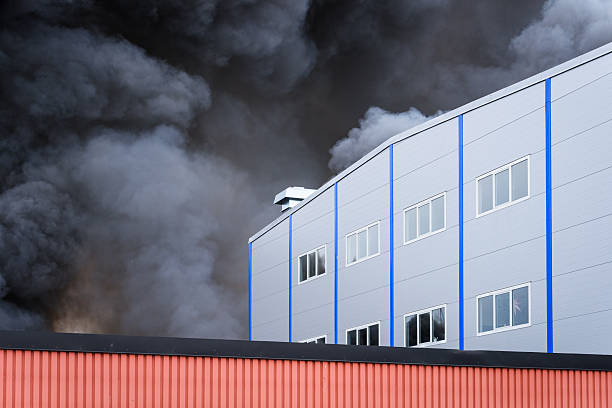
While steel is non-combustible, its strength can be affected by high temperatures. This makes fire resistance in steel buildings an essential topic for engineers, architects, and project managers.
Understanding fire resistance in steel buildings is key to ensuring that structures remain stable and safe during fire incidents. With proper design and protection methods, steel buildings can achieve high levels of fire performance and meet strict safety standards.
How Steel Behaves in Fire
To understand fire resistance in steel buildings, it is important to know how steel reacts to heat. Steel does not burn, but it loses strength when exposed to high temperatures, typically above 500–600°C.
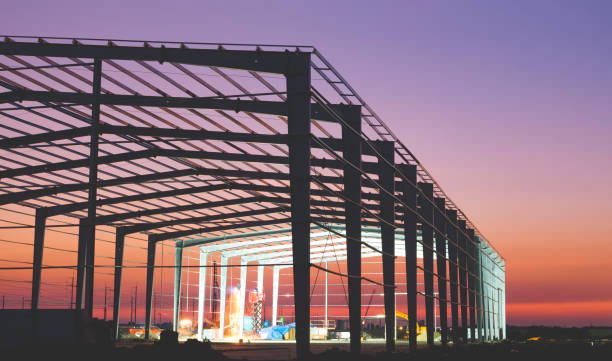
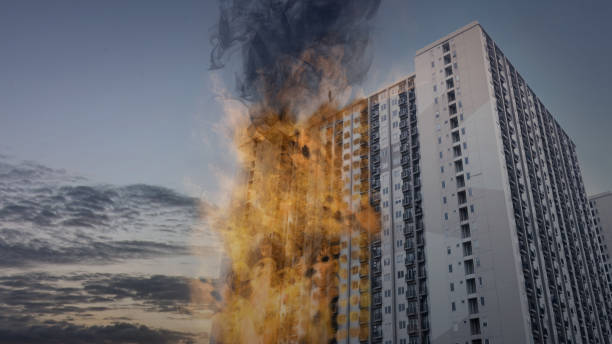
At these temperatures, structural elements may weaken, bend, or even collapse if not properly protected. This is why fire resistance in steel buildings focuses on delaying temperature rise and maintaining structural integrity during a fire.
Importance of Fire Protection
The primary goal of fire resistance in steel buildings is to provide enough time for evacuation and emergency response. Fire-resistant systems help maintain the load-bearing capacity of steel elements during a fire.
By improving fire resistance in steel buildings, engineers can reduce risks, prevent structural failure, and protect both lives and property.
Passive Fire Protection Methods
One of the most effective approaches to fire resistance in steel buildings is passive fire protection. This includes materials and systems that do not require activation but provide continuous protection.
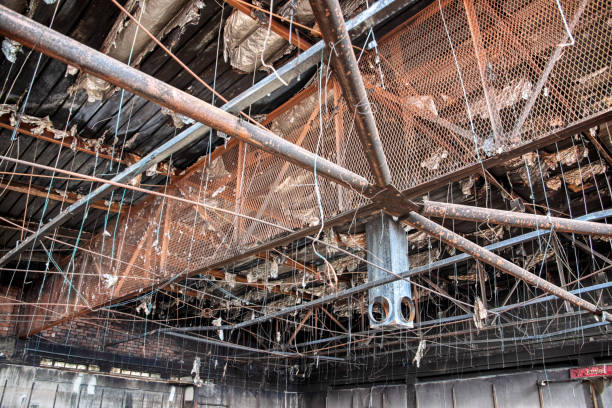
Common methods include:
- Fire-resistant coatings
- Fireproof boards and cladding
- Concrete encasement
These solutions are widely used to enhance fire resistance in steel buildings by insulating steel components from heat.
Intumescent Coatings
Intumescent coatings are a popular solution for fire resistance in steelbuildings. These coatings expand when exposed to high temperatures, forming an insulating layer that protects the steel underneath.
This method is highly effective and widely used in modern projects to improve fire resistance in steelbuildings without adding significant weight to the structure.
Fire-Resistant Boards and Cladding
Another important technique in fire resistance in steel buildings is the use of fire-resistant boards and cladding systems. These materials are installed around steel elements to act as a barrier against heat.
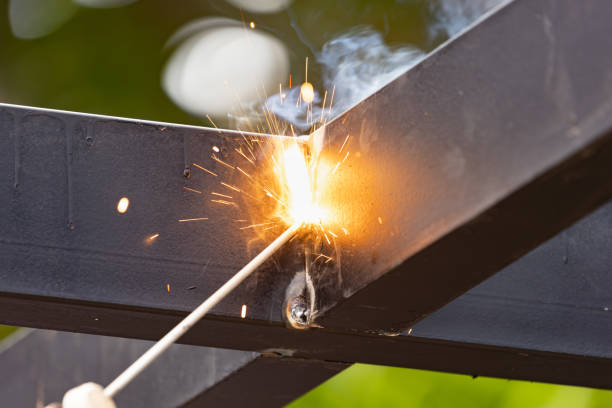
They are commonly used in commercial and industrial buildings to enhance fire resistance in steelbuildings and meet safety regulations.
Concrete Encasement
Encasing steel components in concrete is a traditional method of improving fire resistance in steelbuildings. Concrete acts as a thermal barrier, protecting steel from direct exposure to fire.
Although this method adds weight, it remains a reliable option for achieving high levels of fire resistance in steel buildings.
Active Fire Protection Systems
In addition to passive methods, active systems play a role in fire resistance in steel buildings. These include:
- Sprinkler systems
- Fire alarms
- Smoke detection systems
Active systems help control and suppress fires, complementing passive measures and enhancing overall fire resistance in steel buildings.
Design Considerations
Proper design is essential for achieving effective fire resistance in steelbuildings.
Engineers must consider factors such as:
- Fire load and occupancy
- Building layout
- Evacuation routes
By incorporating these factors, designers can improve fire resistance in steelbuildings and ensure compliance with safety standards.
Compliance with Fire Safety Standards
Building codes and regulations play a key role in fire resistance in steel buildings. Standards define the required fire resistance rating for different types of structures.
Compliance ensures that fire resistance in steelbuildings meets legal requirements and provides adequate protection in case of fire.
Maintenance and Inspection
Maintaining fire protection systems is crucial for long-term fire resistance in steelbuildings. Regular inspections ensure that coatings, cladding, and active systems remain effective.
Without proper maintenance, the effectiveness of fire resistance in steelbuildings can decrease over time.
Conclusion
Fire resistance in steel buildings is a vital aspect of modern construction that ensures safety, reliability, and compliance with regulations. By combining passive and active protection methods, engineers can significantly enhance the performance of steel structures during fire incidents.
As technology advances, new materials and systems will continue to improve fire resistance in steel buildings, making them safer and more resilient for future developments.
Frequently Asked Questions (FAQ)
Is steel fire-resistant?
Steel is non-combustible, but it loses strength at high temperatures, which is why fire protection is necessary.
What is the best method for fire protection in steelbuildings?
Intumescent coatings, fire-resistant boards, and concrete encasement are commonly used methods.
Do steelbuildings need fire protection systems?
Yes, to maintain structural integrity and ensure safety during fire incidents.
How long can steel resist fire?
This depends on the level of fire protection applied and the building design.
Are fire-resistant coatings effective?
Yes, they are widely used and provide reliable protection by insulating steel during fire exposure.