
Future Trends in Smart Construction and Industrial Design
The construction and industrial sectors are entering a new era defined by innovation, connectivity, and efficiency.
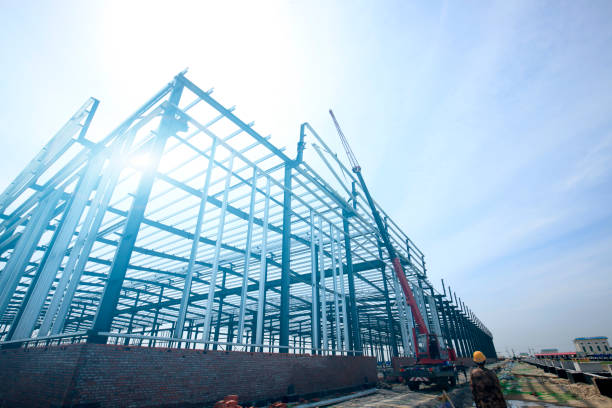
Future trends in smart construction and industrial design are reshaping how buildings are planned, constructed, and operated.
With the integration of advanced technologies, future trends in smart construction and industrial design are driving a shift toward more intelligent, sustainable, and adaptive environments.
As global demand for efficiency and performance grows, understanding future trends in smart constructionand industrial design becomes essential for engineers, developers, and industry professionals aiming to stay competitive.
Digital Transformation and BIM
One of the most significant developments in future trends in smart construction and industrial design is the adoption of Building Information Modeling (BIM). BIM enables the creation of detailed digital models that integrate structural, mechanical, and operational data.
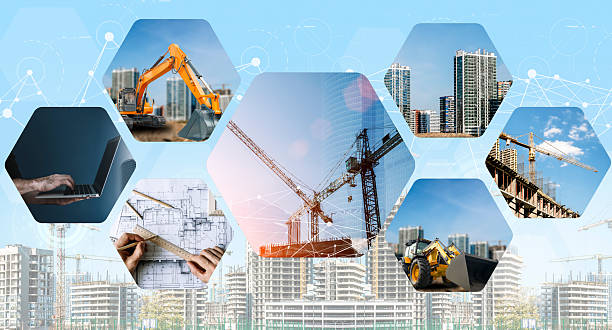
Through BIM, stakeholders can collaborate more effectively, detect design conflicts early, and optimize project outcomes. This digital approach is a cornerstone of future trends in smart construction and industrial design.
Rise of Smart Materials
Innovative materials are playing a major role in future trends in smart construction and industrial design. Smart materials can adapt to environmental changes, improve energy efficiency, and enhance structural performance.
Examples include self-healing concrete, advanced coatings, and energy-efficient insulation systems. These materials support sustainability goals within future trends in smart construction and industrial design.
Automation and Robotics
Automation is transforming construction and industrial processes. The use of robots for tasks such as welding, assembly, and material handling is becoming increasingly common.
In future trends in smart construction and industrialdesign, robotics improve precision, reduce labor dependency, and enhance safety. Automated systems are especially valuable in large-scale industrial projects.
Internet of Things (IoT) Integration
The Internet of Things (IoT) is a key driver of future trends in smart construction and industrial design. Sensors embedded in buildings can monitor temperature, humidity, structural health, and energy usage in real time.
This data enables predictive maintenance and smarter decision-making, making IoT a fundamental component of future trends in smart construction and industrial design.
Sustainable and Green Construction
Sustainability is at the heart of future trends in smart construction andindustrial design. Modern buildings are designed to minimize environmental impact through energy efficiency, renewable energy integration, and reduced waste.
Green building certifications and eco-friendly materials are becoming standard practices in future trends in smart construction and industrial design.
3D Printing in Construction
3D printing is emerging as a revolutionary technology in future trends in smart construction andindustrial design. It allows for rapid construction of building components with minimal waste.
This technology enables innovative designs and reduces construction time, making it a key element in future trends in smart construction and industrial design.
Digital Twins and Real-Time Monitoring
Digital twin technology is another major advancement in future trends in smart construction and industrial design. A digital twin is a virtual replica of a physical structure that updates in real time based on sensor data.
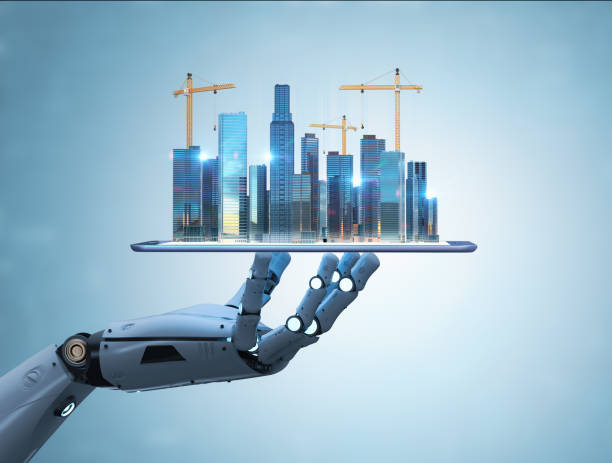
This allows engineers to monitor performance, predict issues, and optimize operations, reinforcing the importance of future trends in smartconstruction and industrial design.
Modular and Prefabricated Construction
Prefabrication and modular construction are becoming increasingly popular. These methods involve manufacturing components off-site and assembling them on-site.
In future trends in smart construction and industrial design, modular construction improves efficiency, reduces waste, and ensures consistent quality.
Integration of Artificial Intelligence
Artificial intelligence (AI) is playing a growing role in future trends in smart constructionand industrial design. AI can analyze large datasets, optimize designs, and improve project management.
By enhancing decision-making and efficiency, AI is becoming a critical tool in future trends in smart constructionand industrial design.
Smart Industrial Facilities
Industrial design is evolving alongside construction. Smart factories equipped with automation, sensors, and advanced control systems are becoming the norm.
These facilities reflect the core of future trends in smart construction andindustrial design, where efficiency, connectivity, and adaptability are prioritized.
Conclusion
The evolution of future trends in smart construction andindustrial design is transforming the way we build and operate structures. From digital tools and smart materials to automation and sustainability, these trends are shaping a more efficient and intelligent future.
As technology continues to advance, embracing future trends in smart construction and industrial design will be essential for staying competitive and delivering high-performance projects. The future of construction is not just about building structures—it is about creating smart, connected, and sustainable environments.
Frequently Asked Questions (FAQ)
What are smart construction technologies?
They include BIM, IoT, AI, and automation systems used to improve construction efficiency and performance.
How does IoT benefit construction projects?
IoT enables real-time monitoring and data analysis, improving maintenance and operational efficiency.
What is a digital twin in construction?
A digital twin is a virtual model of a physical structure used for monitoring and optimization.
Is 3D printing widely used in construction?
It is still emerging but rapidly growing as a key technology.
Why is sustainability important in modern construction?
It reduces environmental impact, improves energy efficiency, and supports long-term resource management.