
The Impact of Steel Structures on Sustainable Urban Development
Urban areas are expanding rapidly, creating an urgent need for sustainable and efficient construction solutions.
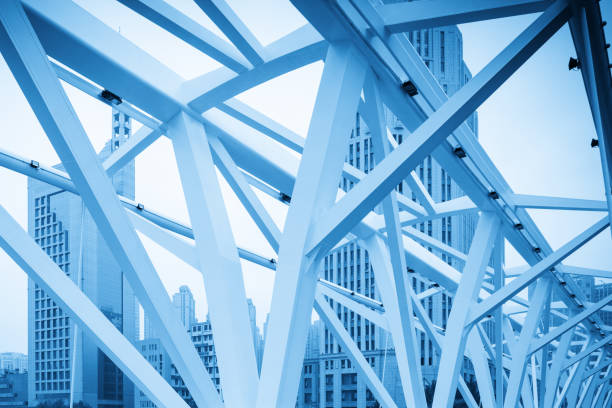
One of the most influential factors in modern development is the use of steel. The impact of steel structures on sustainable urban development is becoming increasingly significant as cities strive to balance growth with environmental responsibility.
Steel structures offer durability, flexibility, and recyclability, making them ideal for sustainable construction. Understanding the impact of steel structures on sustainable urban development helps engineers, planners, and developers create smarter and greener cities for the future.
Sustainability and Modern Urban Growth
Sustainability is a core objective in today’s urban planning strategies. Cities are focusing on reducing carbon emissions, improving energy efficiency, and optimizing resource usage.
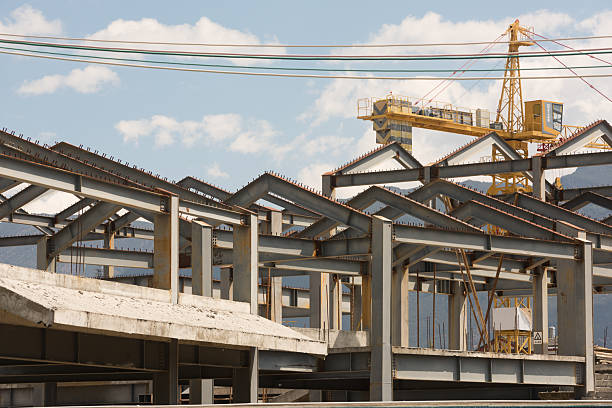
In this context, the impact of steel structures on sustainable urban development is evident in how steel supports environmentally responsible construction practices.
Steel allows for efficient use of materials and minimizes waste, which strengthens the impact of steel structures on sustainable urban development in large-scale projects.
Recyclability and Resource Efficiency
One of the key advantages contributing to the impact of steel structures on sustainable urban development is recyclability. Steel is one of the most recycled materials in the world, and it can be reused without losing its properties.
This makes steel an essential component in circular economy models, reinforcing the impact of steel structures on sustainable urban development by reducing the demand for raw materials and minimizing environmental impact.
Energy Efficiency in Steel Buildings
Energy efficiency is a major factor in sustainability. Modern steel structures can be designed with advanced insulation systems, reflective materials, and smart technologies that reduce energy consumption.
These features enhance the impact of steel structures on sustainable urban development by lowering operational costs and reducing greenhouse gas emissions.
Faster Construction and Reduced Waste
Steel construction is known for its speed and precision. Prefabricated components can be manufactured off-site and assembled quickly on-site, reducing construction time and material waste.
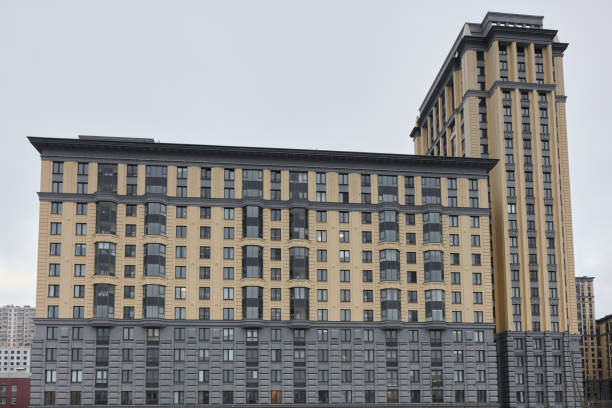
This efficiency strengthens the impact of steel structures on sustainable urban development, especially in densely populated urban areas where time and space are critical.
Flexibility and Adaptive Reuse
Urban environments are constantly evolving, and buildings must adapt to changing needs. Steel structures offer flexibility in design, allowing for easy modifications, expansions, or repurposing.
This adaptability supports the impact of steel structures on sustainable urban development by extending the lifespan of buildings and reducing the need for demolition and reconstruction.
Reduced Environmental Footprint
Compared to traditional construction methods, steel structures can have a lower environmental footprint. Efficient fabrication processes and reduced material waste contribute to more sustainable outcomes.
By minimizing environmental impact, the impact of steel structures on sustainable urban development becomes a key factor in achieving green building goals.
Integration with Smart City Technologies
Smart cities rely on advanced technologies to improve efficiency and quality of life. Steel structures can easily integrate with smart systems such as sensors, automation, and energy management solutions.
This compatibility enhances the impact of steel structures on sustainable urban development, enabling the creation of intelligent and connected urban environments.
Durability and Long-Term Performance
Durability is essential for sustainable construction.
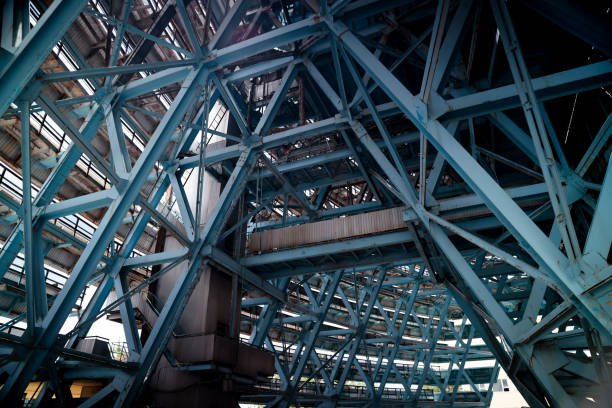
Steel structures are resistant to many environmental factors and can last for decades with proper maintenance.
This longevity reinforces the impact of steel structures on sustainable urban development by reducing the need for frequent repairs or replacements.
Supporting Green Building Certifications
Many modern projects aim to achieve certifications such as LEED or other sustainability standards. Steel structures help meet these requirements through energy efficiency, recyclability, and reduced waste.
This alignment with certification standards highlights the impact of steel structures on sustainable urban development in achieving global sustainability goals.
Economic Benefits of Sustainable Steel Construction
Sustainability is not only about the environment—it also has economic advantages. Steel structures reduce construction time, lower maintenance costs, and improve operational efficiency.
These benefits strengthen the impact of steel structures on sustainable urban development, making steel a cost-effective solution for long-term projects.
Conclusion
The impact of steel structures on sustainable urban development is transforming how cities are built and maintained. From recyclability and energy efficiency to flexibility and durability, steel plays a vital role in creating sustainable urban environments.
As urbanization continues to grow, embracing the impact of steel structures on sustainable urban development will be essential for building smarter, greener, and more resilient cities. Steel is not just a construction material—it is a key driver of sustainable progress.
Frequently Asked Questions (FAQ)
Why are steel structures considered sustainable?
Because they are recyclable, durable, and support energy-efficient building designs.
How do steel structures reduce environmental impact?
They minimize waste, reduce resource consumption, and improve energy efficiency.
Can steel buildings support green certifications?
Yes, they help meet sustainability standards such as LEED.
Are steel structures suitable for smart cities?
Yes, they integrate easily with modern technologies and smart systems.
Do steel structures last long?
With proper design and maintenance, they can last for decades.