
Engineering Excellence in Steel Buildings
Engineering Excellence in Steel Buildings represents the pinnacle of modern construction, where innovation meets durability to create structures that stand the test of time.

Engineering Excellence in Steel Buildings is not just a concept but a proven methodology that ensures safety, efficiency, and sustainability in every project. This article explores the key principles, technologies, and practices driving this field forward.
Historical Evolution
Engineering Excellence in Steel Buildings began with the industrial revolution, when steel first replaced iron in major structures like bridges and skyscrapers.
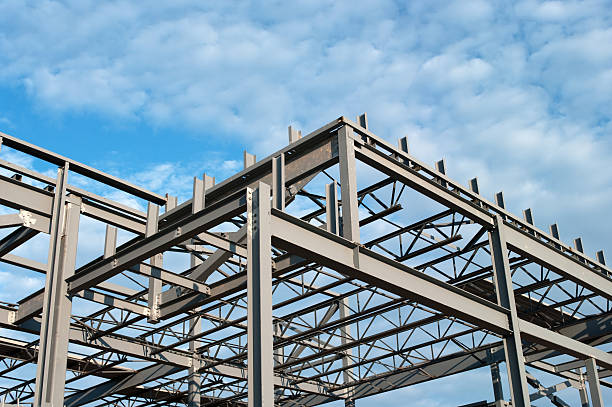
Engineers quickly recognized steel’s superior strength-to-weight ratio, allowing for taller and more open designs. Engineering Excellence in Steel Buildings evolved through milestones such as the Eiffel Tower and early American high-rises, setting global benchmarks for material use.
Over decades, advancements in metallurgy refined steel grades, improving corrosion resistance and weldability. Pioneers like Gustave Eiffel demonstrated how precise engineering could push boundaries while maintaining safety.
Engineering Excellence in Steel Buildings today builds on this legacy, incorporating lessons from past failures to enhance modern designs.
Core Design Principles
Engineering Excellence in Steel Buildings relies on load and resistance factor design (LRFD), which accounts for variable forces like wind and earthquakes. Structures must withstand dead loads from their own weight and live loads from occupants or equipment.
Engineers use finite element analysis to simulate stresses, ensuring no weak points emerge under extreme conditions.
Safety standards from bodies like the American Institute of Steel Construction (AISC) dictate connection details and member sizing. Bolted and welded joints receive meticulous attention to prevent fatigue failures. Engineering Excellence in Steel Buildings demands redundancy in critical areas, providing multiple load paths for ultimate reliability.
Material Selection Standards
High-strength low-alloy steels dominate due to their yield strengths exceeding 50 ksi, balancing cost and performance. Corrosion protection via galvanizing or weathering steels extends lifespan in harsh environments.
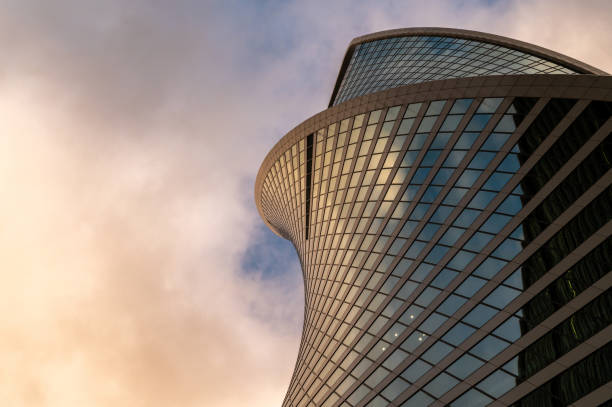
Engineering Excellence in Steel Buildings mandates rigorous testing for tensile strength, ductility, and impact resistance to verify material quality.
Quality control includes ultrasonic testing and chemical composition checks during fabrication. Sustainable sourcing favors recycled content, reducing environmental impact without compromising integrity. Engineers select grades like ASTM A992 for wide-flange beams, optimized for seismic zones.
Advanced Fabrication Techniques
Computer-aided design (CAD) and building information modeling (BIM) enable precise digital twins of structures. CNC machines cut and drill components to tolerances under 1/16 inch, minimizing on-site adjustments.
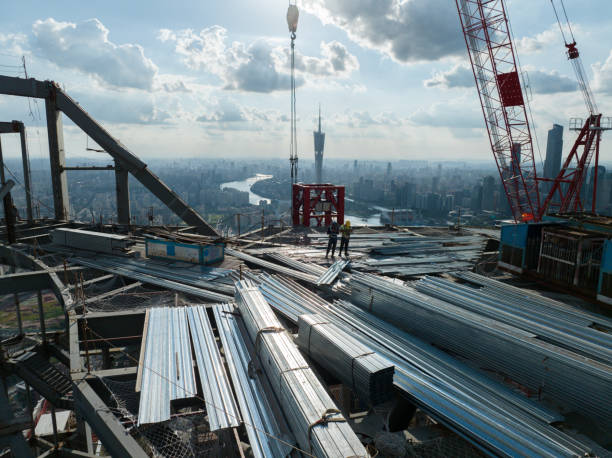
Engineering Excellence in Steel Buildings incorporates robotic welding for consistent penetration and reduced defects.
Prefabrication of pre-engineered buildings (PEB) speeds erection while maintaining factory-quality control. Automated processes ensure every beam and column matches shop drawings exactly. This approach cuts construction time by up to 50% compared to traditional methods.
Construction and Erection Best Practices
Site preparation involves precise leveling and foundation design to transfer loads effectively. Cranes lift primary frames in sequence, starting with columns and end frames.
Engineering Excellence in Steel Buildings requires plumb checks at every stage using total stations for accuracy within 1/8 inch over 40 feet.
Temporary bracing prevents lateral movement during assembly. Bolting sequences follow torque specifications to achieve full pretension. Plumbness and alignment corrections happen before secondary members, avoiding cumulative errors.
Safety and Compliance Standards
AISC 360 provides the specification for structural steel buildings, covering design for strength and serviceability. Seismic provisions in AISC 341 ensure ductility in high-risk areas through moment-resisting frames.
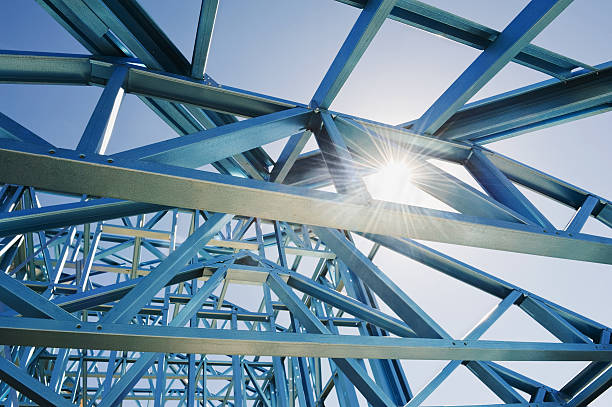
Engineering Excellence in Steel Buildings adheres to Eurocode 3 in Europe, emphasizing limit state design for ultimate and serviceability limits.
Welding follows AWS D1.1, with nondestructive testing like ultrasonic and magnetic particle methods. Fireproofing via spray-applied materials or intumescent coatings protects against prolonged exposure. Regular inspections verify compliance throughout the lifecycle.
Sustainability Innovations
Recycled steel content often exceeds 90%, conserving resources and energy. Lightweight designs reduce foundation sizes, lowering concrete use. Engineering Excellence in Steel Buildings integrates solar panels and green roofs, turning structures into net-zero energy producers.
Modular construction minimizes waste, with off-site fabrication recycling scraps efficiently. Lifecycle assessments guide material choices for minimal carbon footprint. Adaptive reuse of existing steel frames supports circular economy principles.
Technological Integrations
BIM platforms like Tekla Structures facilitate clash detection and 4D scheduling. Drones monitor erection progress, capturing data for as-built models. Engineering Excellence in Steel Buildings employs IoT sensors for real-time structural health monitoring post-occupancy.

AI optimizes designs by iterating thousands of configurations for cost and performance. Digital twins predict maintenance needs, extending service life beyond 100 years.
Case Studies of Excellence
The Burj Khalifa showcases tapered steel mega-columns resisting wind loads at 828 meters. Beijing’s Bird’s Nest Olympic Stadium used 42,000 tons of steel in a woven lattice for seismic resilience. Engineering Excellence in Steel Buildings shone in these icons, blending aesthetics with engineering rigor.
U.S. warehouses by companies like Whirlwind Steel demonstrate PEB efficiency, erecting 100,000 sq ft structures in weeks. These projects highlight how standards translate to real-world success.
Future Trends
Additive manufacturing prints complex nodes, reducing weight by 30%. High-performance steels with 100 ksi yield strength enable slimmer profiles. Engineering Excellence in Steel Buildings will leverage machine learning for predictive maintenance and automated inspections.

Climate-resilient designs incorporate adaptive facades responding to extreme weather. Global standardization efforts harmonize codes for seamless international projects.
Economic Advantages
Steel buildings cost 20-30% less per square foot than concrete alternatives due to speed. Low maintenance and insurance premiums boost long-term ROI. Engineering Excellence in Steel Buildings attracts tenants with open, column-free spaces up to 300 feet.
Expansion flexibility allows bolt-on additions without major disruption. Resale value remains high given durable, code-compliant construction.
Challenges and Solutions
Corrosion in coastal areas demands enhanced coatings like zinc-rich primers. Supply chain volatility requires diversified sourcing strategies. Engineering Excellence in Steel Buildings counters skilled labor shortages via prefabrication and training programs.
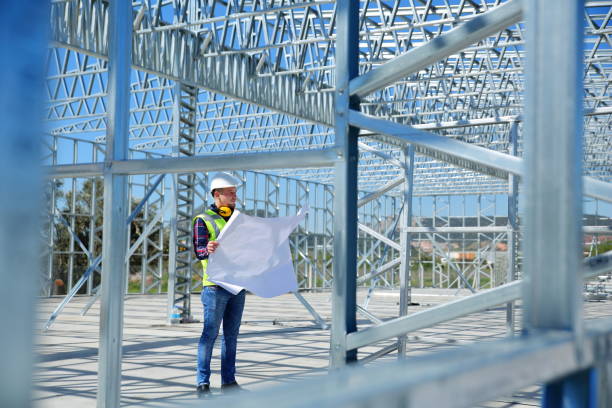
Overcoming fabrication tolerances involves rigorous quality assurance protocols.
Engineering Excellence in Steel Buildings
Engineering Excellence in Steel Buildings defines the future of construction through unwavering commitment to innovation and safety. Engineering Excellence in Steel Buildings ensures structures not only meet but exceed expectations for generations. Choose partners embodying these principles for your next project.
Frequently Asked Questions
What makes steel superior for large-span buildings?
Steel offers exceptional strength-to-weight ratio, enabling clear spans over 200 feet without intermediate columns, ideal for warehouses and arenas.
How do AISC standards ensure safety?
AISC 360 and 341 cover load combinations, connection design, and seismic detailing, verified through testing and peer review.
What is the typical lifespan of a steel building?
With proper maintenance and coatings, steel structures last 50-100 years, resisting fire, pests, and decay.
Can steel buildings be sustainable?
Yes, using recycled steel and energy-efficient designs achieves LEED certification, reducing operational carbon by 40%.
How long does erection take?
Pre-engineered steel buildings erect in 4-8 weeks for 50,000 sq ft, versus months for conventional construction.