
Smart Design in Steel Construction
Smart Design in Steel Construction employs parametric modeling software that generates thousands of structural variations within minutes to identify optimal solutions.
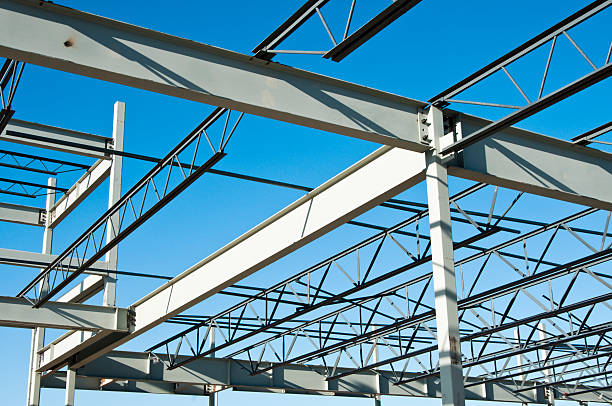
Algorithms consider load paths, material quantities, and fabrication constraints simultaneously for comprehensive optimization. Architects and engineers collaborate seamlessly through Smart Design in Steel Construction platforms that visualize complex interactions instantly.
Generative design processes power Smart Design in Steel Construction, where AI explores solution spaces beyond human imagination to create organic, lightweight frameworks.
These tools balance strength, stiffness, and cost automatically while satisfying all code requirements. Smart Design in Steel Construction achieves unprecedented structural efficiency through computational intelligence.
Building Information Modeling
Smart Design in Steel Construction relies on BIM Level 3 integration where steel fabricators contribute detailed connection designs directly into the shared model.
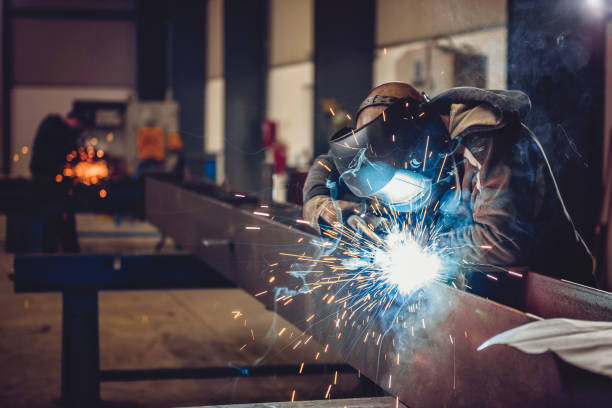
Clash detection eliminates field coordination issues before components leave the factory. Smart Design in Steel Construction ensures every bolt location perfection through digital collaboration.
4D BIM scheduling visualizes Smart Design in Steel Construction erection sequences, identifying critical path delays months in advance. Material delivery aligns precisely with installation requirements through model-based logistics. Smart Design in Steel Construction transforms construction sequencing from art to science completely.
Advanced Analysis Methods
Performance-based seismic design governs Smart Design in Steel Construction in high-risk zones, using nonlinear time history analysis to predict actual behavior under maximum considered earthquakes.

Response modification factors reflect true ductility capacity accurately. Smart Design in Steel Construction provides life safety assurance through sophisticated analysis.
Wind tunnel testing validates Smart Design in Steel Construction aerodynamic performance for supertall structures where vortex shedding creates critical dynamic responses.
Computational Fluid Dynamics supplements physical models for cost efficiency. Smart Design in Steel Construction achieves occupant comfort through precise load determination.
Connection Design Innovation
Moment connections in Smart Design in Steel Construction use extended end-plate configurations with multiple bolt rows to develop full beam plastic capacity reliably.
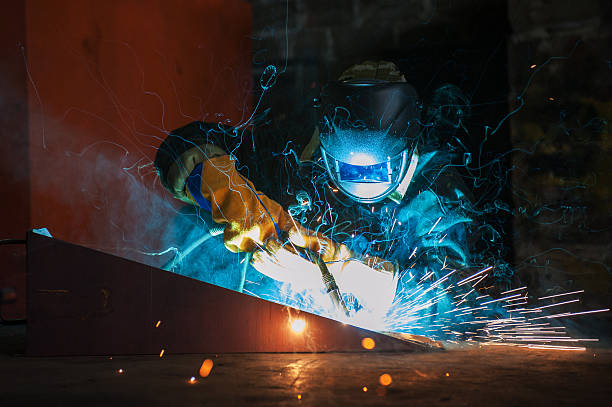
Finite element modeling optimizes bolt group layouts for uniform stress distribution. Smart Design in Steel Construction eliminates connection failures through rigorous analysis.
Directly welded connections serve Smart Design in Steel Construction where ultimate strength governs over serviceability, providing compact stiff joints ideal for architecturally exposed applications. Complete joint penetration welds ensure full strength transmission. Smart Design in Steel Construction prioritizes structural purity in premium projects.
Material Optimization Strategies
High-strength low-alloy steels dominate Smart Design in Steel Construction, allowing 40% section reductions while maintaining identical strength capacities.
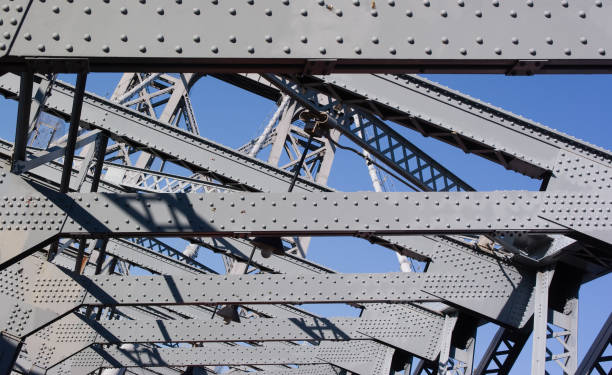
Strain hardening provides reserve capacity beyond yield point consistently. Smart Design in Steel Construction maximizes economic material utilization strategically.
Hybrid sections combine Smart Design in Steel Construction conventional rolled shapes with plate elements welded strategically to create custom optimized profiles. These built-up members achieve superior strength-to-weight ratios unattainable through standard sections alone. Smart Design in Steel Construction customizes structural solutions precisely.
Fabrication Process Integration
CNC-controlled drilling centers produce Smart Design in Steel Construction bolt holes with tolerances under 1mm, eliminating template usage completely. Automated dimension verification prevents shipping errors systematically.

Smart Design in Steel Construction achieves fabrication perfection through digital precision.
Robotic welding cells execute Smart Design in Steel Construction complex geometries with consistent heat input patterns that prevent distortion reliably. Multi-axis manipulators access all weld positions efficiently. Smart Design in Steel Construction elevates weld quality to aerospace standards consistently.
Sustainable Design Principles
Life cycle assessment guides Smart Design in Steel Construction, quantifying embodied carbon from raw material through demolition and recycling phases comprehensively.

Material passports track steel provenance for closed-loop recovery. Smart Design in Steel Construction minimizes environmental impact strategically.
Deconstructability features embedded in Smart Design in Steel Construction enable future building adaptation without demolition waste generation. Reusable moment connections preserve material value completely. Smart Design in Steel Construction designs for circular economy principles fundamentally.
Performance Monitoring Systems
Structural health monitoring systems embedded within Smart Design in Steel Construction track real-time strain, displacement, and vibration signatures continuously. Fiber Bragg grating sensors provide millimeter accuracy permanently. Smart Design in Steel Construction evolves from static to dynamic asset management.
Machine learning algorithms analyze Smart Design in Steel Construction sensor data streams to predict maintenance requirements before damage occurs detectably. Anomaly detection identifies fatigue crack initiation early consistently. Smart Design in Steel Construction extends service life through proactive intervention.
Fire Engineering Integration
Performance-based fire design validates Smart Design in Steel Construction through computational fire dynamics simulations modeling realistic compartment fires accurately.
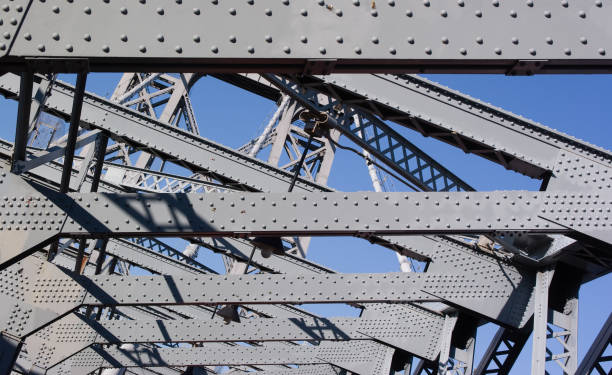
Smoke layer temperatures dictate steel protection requirements precisely. Smart Design in Steel Construction optimizes fire resistance economically.
Intumescent coatings calibrated specifically for Smart Design in Steel Construction profiles expand uniformly to maintain temperature targets reliably. Hydrocarbon fire curves govern protection durations for critical structures. Smart Design in Steel Construction achieves code compliance elegantly.
Acoustic Performance Solutions
Vibration isolation hangers decouple Smart Design in Steel Construction mechanical equipment from structure effectively, preventing structure-borne noise transmission. Resilient channels break flanking paths systematically. Smart Design in Steel Construction delivers quiet environments through integrated solutions.
Composite floor optimization in Smart Design in Steel Construction balances walking excitation frequencies away from natural modes through span-to-depth ratios carefully. Damping layers enhance decay rates significantly. Smart Design in Steel Construction ensures occupant comfort acoustically.
Cost Optimization Strategies
Value engineering systematically eliminates Smart Design in Steel Construction excess capacity through standardized connection families applicable across projects consistently.
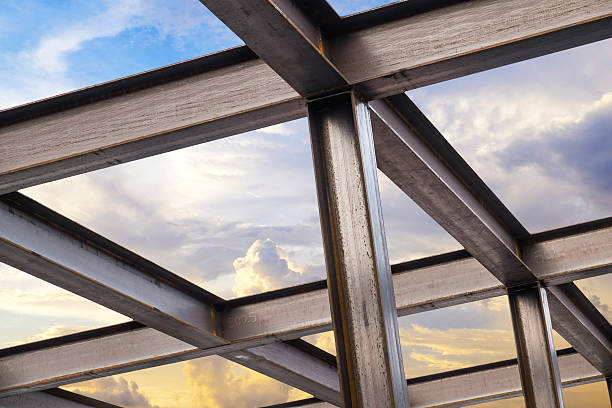
Cataloged solutions accelerate detailing dramatically. Smart Design in Steel Construction controls costs without compromising performance.
Constructability reviews during Smart Design in Steel Construction schematic design identify field coordination challenges early, preventing change orders effectively. Contractor input shapes final geometry practically. Smart Design in Steel Construction bridges design-construct divide successfully.
Aesthetic Expression Opportunities
Exposed steel trusses celebrate Smart Design in Steel Construction structural logic through honest material expression and proportional elegance. Pin-ended tension members create visual rhythm compellingly. Smart Design in Steel Construction elevates architecture through engineering artistry.
Architecturally exposed structural steel (AESS) specifications guide Smart Design in Steel Construction finish selections and weld aesthetics meticulously. Surface preparation achieves mirror-like quality consistently. Smart Design in Steel Construction becomes finished architecture directly.
Digital Twin Implementation
Digital twins mirror Smart Design in Steel Construction physical performance through IoT sensor fusion creating virtual replicas updated continuously. BIM models evolve into operational assets permanently.
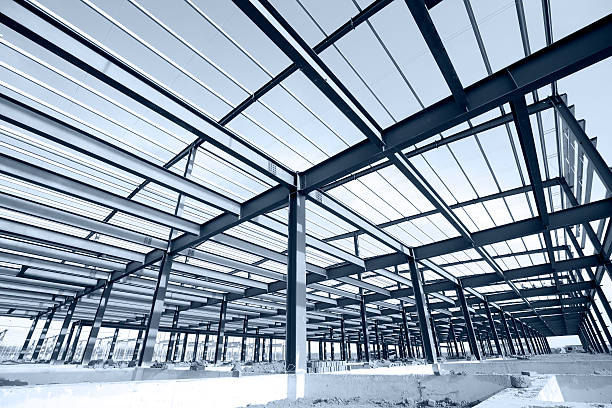
Smart Design in Steel Construction enables predictive maintenance revolutionarily.
Augmented reality overlays Smart Design in Steel Construction digital models onto physical construction sites, accelerating quality control verification dramatically. Millimeter accuracy positioning guides installation precisely. Smart Design in Steel Construction eliminates field errors completely.
Smart Design in Steel Construction and Smart Design in Steel Construction represent the pinnacle of structural engineering evolution, merging computational power with material excellence. Smart Design in Steel Construction shapes tomorrow’s infrastructure intelligently and sustainably.
Frequently Asked Questions
What software powers smart steel design?
Smart Design in Steel Construction utilizes Revit, Tekla, Grasshopper, and ANSYS for comprehensive modeling, analysis, and optimization workflows.
How does smart design reduce costs?
Smart Design in Steel Construction cuts material usage 25-35% through topology optimization while accelerating fabrication through standardized details.
Can smart steel handle earthquakes better?
Smart Design in Steel Construction employs nonlinear analysis predicting actual ductile behavior, enabling performance-based seismic solutions.
Is smart steel design sustainable?
Smart Design in Steel Construction minimizes embodied carbon through material optimization and enables full disassembly for recycling.
What makes steel connections “smart”?
Smart Design in Steel Construction connections integrate strain sensors and optimized geometries for real-time monitoring and maximum efficiency.