
Pre Engineered Steel Buildings Explained
Pre-Engineered Steel Buildings Explained reveals a revolutionary approach to modern construction that combines efficiency, durability, and cost-effectiveness. Pre-Engineered Steel Buildings Explained highlights how these structures are prefabricated in factories and assembled on-site, transforming the building industry.
This comprehensive guide delves into their design, benefits, applications, and future potential.
Defining Pre-Engineered Steel Buildings
Pre-Engineered Steel Buildings Explained starts with understanding that these are steel structures designed and fabricated off-site using standardized engineering processes.
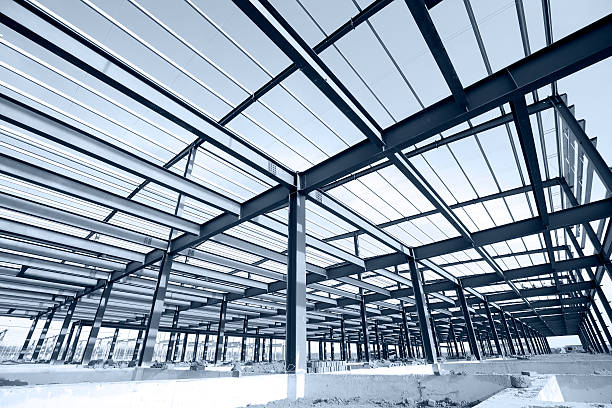
Primary framing includes tapered beams and columns optimized for specific spans and loads, while secondary members like girts and purlins provide support. Pre-Engineered Steel Buildings Explained emphasizes the use of high-strength steel grades, ensuring every component fits precisely without on-site cutting or welding.
The process begins with custom engineering software that models the entire structure for wind, snow, and seismic forces. Components arrive bolted-together ready, reducing erection time dramatically.
Pre-Engineered Steel Buildings Explained clarifies that unlike conventional steel, PEBs minimize material waste through precise optimization.
Historical Development
Pre-Engineered Steel Buildings Explained traces origins to post-World War II when surplus steel fueled innovative framing systems for warehouses.

Early pioneers like Zamil Steel and Kirby Building Systems standardized designs in the 1960s, enabling rapid commercialization. Pre-Engineered Steel Buildings Explained notes how metal building manufacturers refined rigid frame technology, achieving clear spans up to 300 feet.
By the 1980s, computer-aided design accelerated adoption across industries. Global standards from AISC and MBMA solidified reliability. Pre-Engineered Steel Buildings Explained shows evolution from basic shelters to sophisticated commercial complexes.
Key Components and Materials
Pre-Engineered Steel Buildings Explained covers primary framing with rigid frames featuring rigid bolted connections at eaves and bases. Columns are built-up I-sections, while rafters use optimized plate girders for maximum strength-to-weight efficiency.
Pre-Engineered Steel Buildings Explained details secondary framing including Z-purlins and C-girts that support wall and roof panels.
Cladding employs standing seam roofs and insulated metal panels for weather-tight envelopes. Galvalume coatings provide 50-year corrosion resistance. Pre-Engineered Steel Buildings Explained highlights ASTM A992 steel with 50 ksi yield strength as the industry standard for framing.
Design and Engineering Process
Pre-Engineered Steel Buildings Explained involves initial site analysis for soil bearing, exposure category, and risk levels. Engineers input local building codes into proprietary software generating optimized designs within hours.

Pre-Engineered Steel Buildings Explained stresses load combinations per ASCE 7, including dead, live, wind, and seismic factors.
Connection design uses high-strength bolts pretensioned to A325 specifications. Drift limits ensure serviceability under service loads. Pre-Engineered Steel Buildings Explained confirms third-party review by registered engineers for code compliance.
Manufacturing and Fabrication
Pre-Engineered Steel Buildings Explained features factory-controlled CNC plasma cutting, drilling, and punching to 1/16-inch tolerances. Automated welders produce full-penetration splices with ultrasonic testing.
Pre-Engineered Steel Buildings Explained describes nested material optimization reducing steel usage by 30% versus conventional designs.
Quality assurance includes dimensional verification and coating thickness measurement. Components nest efficiently for economical shipping. Pre-Engineered Steel Buildings Explained ensures factory fabrication eliminates weather delays and maintains consistent quality.
Construction and Erection
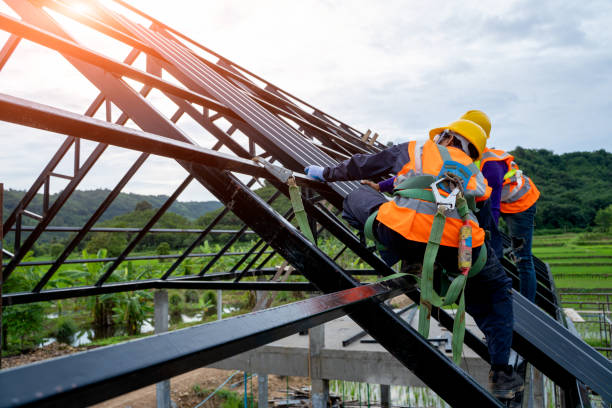
Pre-Engineered Steel Buildings Explained requires foundation completion before delivery, typically slab-on-grade with anchor bolts to precise elevations. Erection crews anchor columns first, then lift rigid frames using mobile cranes.
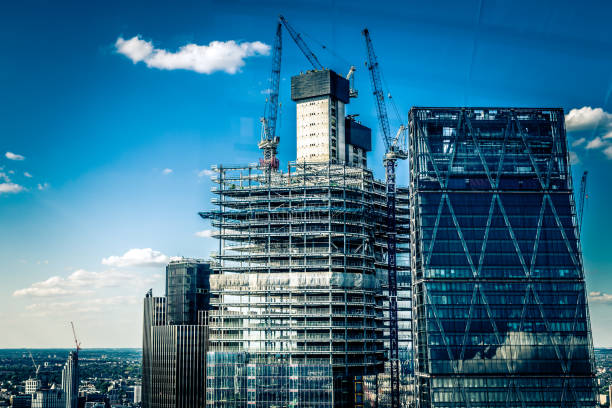
Pre-Engineered Steel Buildings Explained details plumb alignment using transit levels, achieving 1/8-inch tolerance over 40 feet.
Purlins and girts bolt sequentially with temporary bracing. Wall panels attach last, creating weathertight enclosure rapidly. Pre-Engineered Steel Buildings Explained achieves enclosure in days versus months for stick-built construction.
Cost Advantages
Pre-Engineered Steel Buildings Explained deliver 20-40% lower costs through material efficiency and construction speed. Factory labor rates undercut field welding expenses significantly.
Pre-Engineered Steel Buildings Explained reduces foundation requirements via lighter dead loads.
Insurance premiums drop due to fire resistance and wind performance. Minimal maintenance extends ROI over 50 years. Pre-Engineered Steel Buildings Explained provides predictable pricing unlike volatile conventional bids.
Durability and Longevity
Pre-Engineered Steel Buildings Explained withstand 150 mph winds and 60 psf snow loads when properly designed. Galvanized secondary framing resists corrosion indefinitely.
Pre-Engineered Steel Buildings Explained features non-combustible steel immune to termites, mold, and rot.
Intumescent coatings provide 2-hour fire ratings. Seismic detailing includes ductile moment connections. Pre-Engineered Steel Buildings Explained ensures 50-100 year service life with routine inspections.
Sustainability Features
Pre-Engineered Steel Buildings Explained utilize 90% recycled content, conserving virgin ore. Factory precision minimizes construction waste to under 1%. Pre-Engineered Steel Buildings Explained incorporates R-30 insulation and low-E roofing for energy efficiency.
LEED certification comes easily through rapid enclosure and recyclable materials. Lifecycle carbon footprint beats concrete by 40%. Pre-Engineered Steel Buildings Explained supports green building mandates effectively.
Applications and Versatility
Pre-Engineered Steel Buildings Explained serve warehouses, manufacturing plants, agricultural facilities, and retail centers. Clear spans accommodate cranes, mezzanines, and HVAC equipment flexibly.

Pre-Engineered Steel Buildings Explained customize with windows, doors, and facades matching architectural visions.
Sports arenas and aircraft hangars benefit from extra-wide bays. Schools and offices integrate curtain walls seamlessly. Pre-Engineered Steel Buildings Explained adapt to any climate or code requirement.
Customization Options
Pre-Engineered Steel Buildings Explained offer mansard roofs, parapets, and glazed entries rivaling conventional aesthetics. Interior partitions and finishes create finished environments. Pre-Engineered Steel Buildings Explained integrate photovoltaics, rainwater harvesting, and smart building systems.
Canopies and mezzanines expand functionality affordably. Color selections span thousands of options. Pre-Engineered Steel Buildings Explained balance economy with visual appeal.
Maintenance Requirements
Pre-Engineered Steel Buildings Explained need annual roof inspections and fastener torque checks. Gutter cleaning prevents water damage. Pre-Engineered Steel Buildings Explained recoat roofs every 20 years for continued protection.
HVAC filters change quarterly for efficiency. Minimal interior maintenance suits commercial use. Pre-Engineered Steel Buildings Explained deliver decades of trouble-free service.
Comparison with Conventional Steel
Pre-Engineered Steel Buildings Explained use 25-30% less steel through optimized tapered sections. Erection completes 50% faster without field fabrication. Pre-Engineered Steel Buildings Explained provide factory quality control versus variable field welding.
Design flexibility matches custom projects at fraction of engineering costs. Pre-Engineered Steel Buildings Explained excel in speed and economy for most applications.
Future Innovations
Pre-Engineered Steel Buildings Explained incorporate BIM for clash-free designs and 4D scheduling. IoT sensors monitor structural health continuously. Pre-Engineered Steel Buildings Explained adopt high-strength steels exceeding 65 ksi yield.
Modular expansions enable bolt-on additions seamlessly. AI optimization pushes efficiency boundaries further. Pre-Engineered Steel Buildings Explained lead sustainable construction evolution.
Pre-Engineered Steel Buildings Explained
Pre-Engineered Steel Buildings Explained revolutionize construction with unmatched speed, strength, and value for modern projects. Pre-Engineered Steel Buildings Explained position steel as the intelligent choice for warehouses, factories, and beyond. Embrace this technology for your next build.
Frequently Asked Questions
What exactly is a pre-engineered steel building?
A pre-engineered steel building is a structure with framing, roofing, and walls engineered in advance and fabricated in a factory for rapid on-site assembly.
How much faster is PEB construction?
PEBs erect 50% faster than conventional buildings, often enclosing 50,000 sq ft in 4-6 weeks.
Are PEBs cost-effective long-term?
Yes, lower material use, minimal maintenance, and energy efficiency yield 20-40% savings over the building lifecycle.
Can PEBs withstand extreme weather?
Designed for 150 mph winds, heavy snow, and earthquakes per local codes, with proven resilience
What customization options exist?
From architectural facades to mezzanines and solar integration, PEBs match conventional aesthetics and functionality.