
Inside the Steel Fabrication Process: From Design to Installation
Introduction
The construction industry depends heavily on precision, strength, and efficiency, and this is where the steel fabrication process plays a vital role.
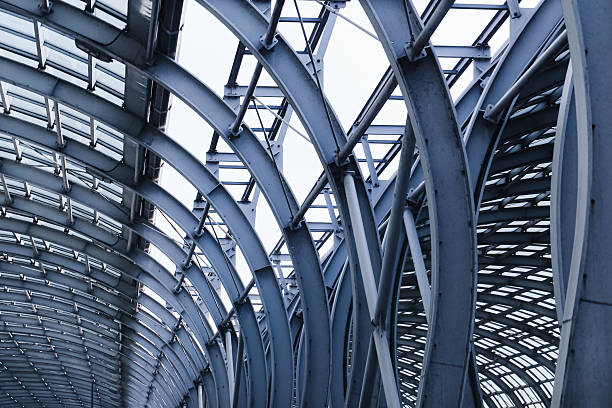
From the earliest design concepts to the final installation on-site, the steel fabrication process ensures that structural components meet exact specifications and performance requirements.
Understanding the steel fabrication process provides insight into how raw materials are transformed into reliable structural elements used in buildings, bridges, and industrial facilities. Each stage of the steel fabrication process is carefully planned and executed to guarantee quality, safety, and efficiency.
Design and Engineering
The steel fabrication process begins with detailed design and engineering. At this stage, engineers and designers create technical drawings, 3D models, and structural calculations that define every component of the project.
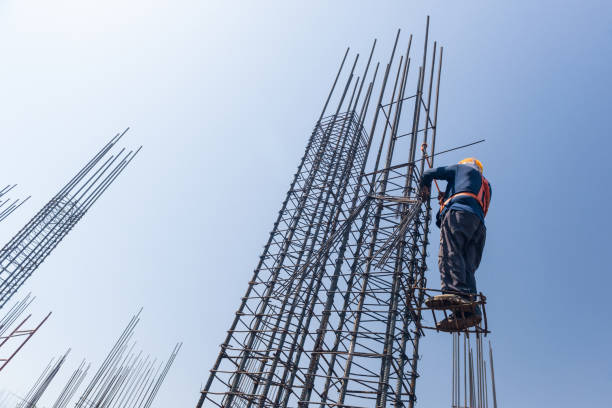
Modern tools such as CAD and BIM software are commonly used in the steel fabrication process to ensure accuracy and coordination. A well-prepared design phase is essential for minimizing errors and ensuring that the steel fabrication process runs smoothly from start to finish.
Material Selection
Selecting the right materials is a critical step in the steel fabrication process. Different types of steel are chosen based on the project’s requirements, including strength, durability, and environmental conditions.
High-quality raw materials ensure that the final product meets structural and safety standards. Proper material selection also improves the efficiency of the steel fabrication process and reduces the risk of defects.
Cutting and Shaping
Once materials are selected, the steel fabrication process moves to cutting and shaping. Steel sections are cut into precise sizes using advanced equipment such as laser cutters, plasma cutters, and saws.
This stage of the steel fabrication process requires high accuracy to ensure that all components fit together correctly during assembly. Shaping may also involve bending or forming steel into specific geometries.
Welding and Assembly
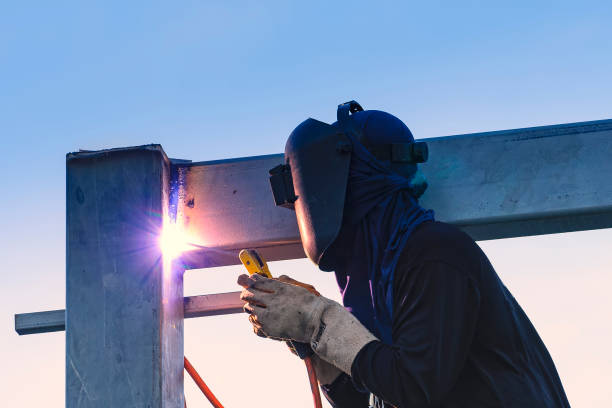
Welding is one of the most important stages in the steel fabrication process. Individual components are joined together to create larger structural elements such as beams, columns, and frames.
Skilled technicians perform welding according to strict standards to ensure strong and reliable joints. The quality of welding directly impacts the overall integrity of the steel fabrication process and the final structure.
Surface Treatment and Protection
After assembly, the steel fabrication process includes surface treatment to protect the steel from environmental damage. This may involve cleaning, sandblasting, painting, or galvanizing.
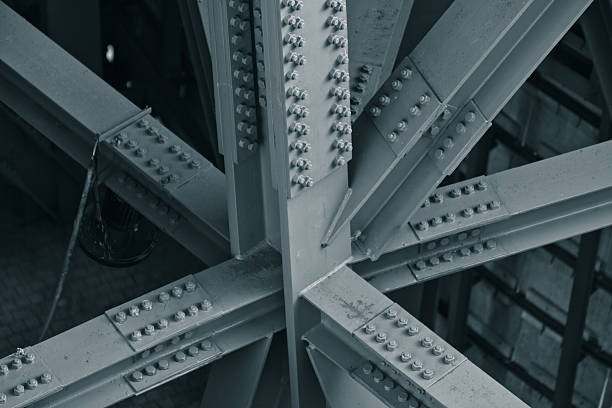
Protective coatings enhance corrosion resistance and extend the lifespan of the structure. Proper surface treatment is a key part of the steel fabrication process, especially for projects exposed to harsh conditions.
Quality Control and Inspection
Quality control is essential throughout the steel fabrication process. Each component is inspected to ensure it meets design specifications and safety standards.
Testing methods may include visual inspections, dimensional checks, and non-destructive testing techniques. Maintaining strict quality control ensures that the steel fabrication process produces reliable and defect-free components.
Transportation and Logistics
Once fabrication is complete, the next step in the steel fabrication process is transportation. Steel components are carefully packaged and transported to the construction site.
Efficient logistics planning ensures that all parts arrive on time and in the correct sequence. This stage is critical for maintaining the overall schedule of the steel fabrication process.
On-Site Installation
The final stage of the steel fabrication process is installation. Cranes and specialized equipment are used to position and assemble the steel components on-site.
Installation teams follow detailed plans to ensure that the structure is erected safely and accurately. Proper coordination during this phase ensures that the steel fabrication process is completed successfully.
Safety Considerations
Safety is a priority at every stage of the steel fabrication process. Workers must follow strict safety guidelines when handling materials, operating machinery, and performing installations.
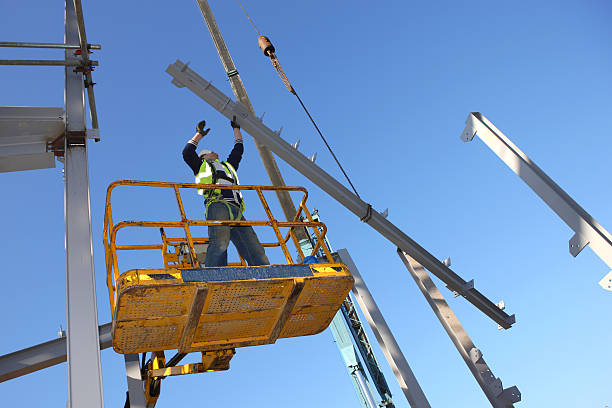
Protective equipment, training, and adherence to regulations help minimize risks and ensure a safe working environment throughout the steel fabrication process.
Efficiency and Modern Technologies
Advancements in technology have greatly improved the steel fabrication process. Automation, robotics, and digital tools have increased precision and reduced production time.
Modern innovations allow the steel fabrication process to deliver high-quality results while maintaining efficiency and cost-effectiveness.
Conclusion
The steel fabrication process is a complex and highly coordinated sequence of steps that transforms raw steel into essential structural components. From design and material selection to fabrication and installation, each stage of the steel fabrication process plays a critical role in ensuring quality and performance.
As construction demands continue to grow, the importance of the steel fabrication process will only increase. Its ability to deliver precision, durability, and efficiency makes it a cornerstone of modern construction.
Frequently Asked Questions (FAQ)
What is the steel fabrication process?
The steel fabrication process involves designing, cutting, shaping, assembling, and installing steel components for construction projects.
Why is the steel fabrication process important?
It ensures that steel components meet safety, quality, and performance standards.
What tools are used in the steel fabrication process?
Tools include cutting machines, welding equipment, and advanced software for design and planning.
How is quality maintained in the steel fabrication process?
Through inspections, testing, and strict adherence to engineering standards.
Can the steel fabrication process be automated?
Yes, modern technologies such as robotics and automation are increasingly used to improve efficiency and accuracy.