
Key Principles of Safe and Efficient Steel Structure Design
Introduction
Designing modern buildings requires a careful balance between safety, performance, and cost. In this context, steel structure design has become a critical discipline in the construction industry.
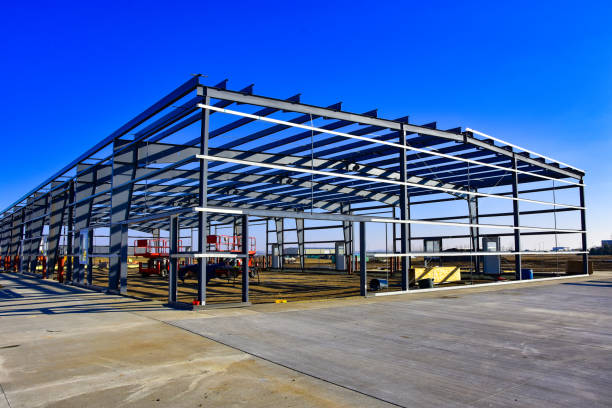
Engineers rely on steel structure design to create buildings that are not only strong and durable but also efficient and adaptable to different applications.
A well-executed steel structuredesign ensures that a building can withstand loads, environmental conditions, and long-term use without compromising safety. Understanding the key principles behind steel structuredesign is essential for achieving reliable and high-performing structures.
Load Analysis and Structural Planning
One of the most important aspects of steel structuredesign is understanding and calculating loads. Every steel structuredesign must account for different types of loads, including dead loads, live loads, wind loads, and seismic forces.
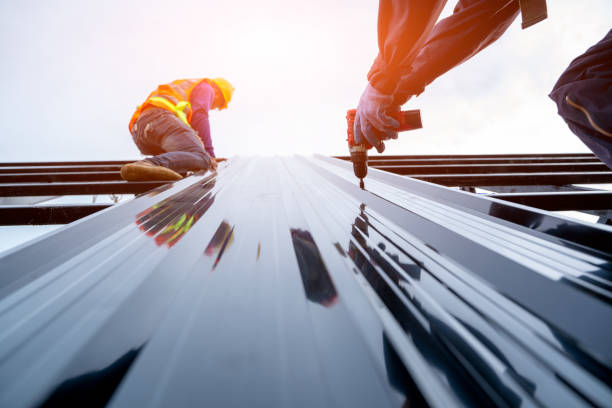
Accurate load analysis ensures that the steel structuredesign can safely support all expected forces throughout its lifespan. Engineers use advanced software and calculations to optimize steel structure design and prevent structural failure.
Material Selection and Quality
Choosing the right materials is fundamental to successful steel structuredesign. Not all steel types are the same, and selecting the appropriate grade directly impacts the performance of the structure.
High-quality materials improve the strength and durability of steel structuredesign, while also reducing maintenance requirements. Proper material selection is a key factor in achieving both safety and efficiency in steel structuredesign.
Structural Stability and Safety
Safety is at the core of every steel structure design. Engineers must ensure that the structure remains stable under all conditions. This includes designing for lateral stability, preventing buckling, and ensuring proper load distribution.
A reliable steel structuredesign incorporates safety factors and follows international standards and codes. This guarantees that the structure can handle unexpected stresses without failure.
Connection Design
Connections play a vital role in steel structure design, as they determine how different components work together. Bolted and welded connections must be carefully designed to transfer loads efficiently.
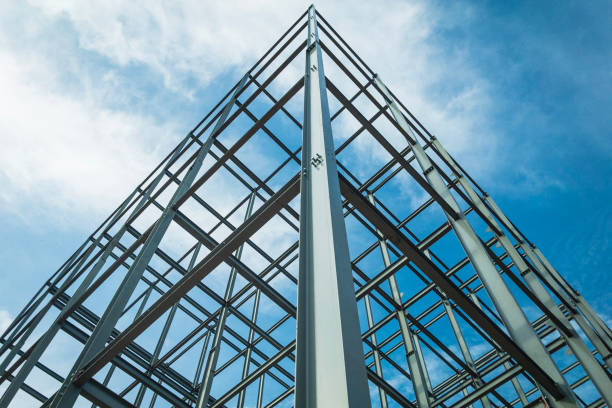
Poor connection design can compromise the entire steel structuredesign, even if the main elements are strong. Therefore, engineers focus heavily on ensuring that all joints are secure, durable, and capable of handling stress.
Efficiency in Design
Efficiency is a major goal in steel structure design, as it directly affects cost and performance. Engineers aim to minimize material usage while maintaining structural integrity.
An optimized steel structuredesign reduces waste, lowers costs, and improves construction speed. This balance between strength and efficiency is what makes modern steel construction so effective.
Fabrication and Constructability
A practical steel structuredesign must consider how the structure will be fabricated and assembled. Designs that are too complex can increase costs and delay construction.

By simplifying fabrication and ensuring ease of assembly, engineers improve the overall efficiency of steel structuredesign. Prefabrication plays a key role in achieving consistent quality and faster project completion.
Durability and Protection
Long-term performance is a crucial consideration in steel structure design. Structures must be protected against corrosion, fire, and environmental damage.
Protective coatings, fireproofing materials, and proper maintenance strategies are essential components of steel structuredesign. These measures extend the lifespan of the structure and maintain its safety over time.
Flexibility and Future Expansion
Modern construction requires adaptability, and steel structure design provides this flexibility. Buildings often need to be expanded or modified as requirements change.
A well-planned steel structuredesign allows for future upgrades without major structural changes. This adaptability makes steel an ideal choice for industrial and commercial projects.
Compliance with Standards and Codes
Every steel structuredesign must comply with local and international building codes. These standards ensure that the structure meets safety, quality, and performance requirements.
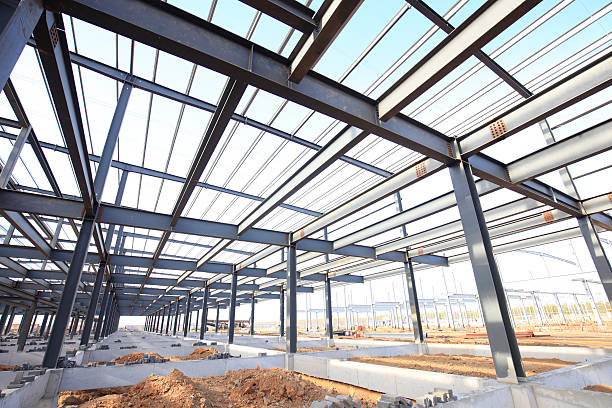
Following regulations is essential for achieving a reliable steel structure design and avoiding legal or operational issues. Engineers must stay updated with the latest codes and best practices.
Integration with Modern Technologies
Technology plays an increasingly important role in steel structuredesign. Tools such as Building Information Modeling (BIM) and structural analysis software help engineers create accurate and efficient designs.
Modern steel structure design also supports the integration of smart systems, automation, and advanced infrastructure, making buildings more functional and future-ready.
Conclusion
The success of any construction project depends heavily on effective steel structuredesign. By focusing on safety, efficiency, material quality, and adaptability, engineers can create structures that meet modern demands.
As construction continues to evolve, the importance of steel structuredesign will only grow. Applying these key principles ensures that buildings remain safe, efficient, and capable of supporting future developments.
Frequently Asked Questions (FAQ)
What is steel structure design?
Steel structure design is the process of planning and engineering steel frameworks to ensure safety, stability, and efficiency.
Why is load analysis important in steel structure design?
Load analysis ensures that the structure can safely handle all forces acting on it during its lifetime.
What materials are used in steel structure design?
Different grades of structural steel are used depending on the project requirements and environmental conditions.
How can steel structures be protected from corrosion?
Steel structures are protected using coatings, galvanization, and proper maintenance practices.
Is steel structure design suitable for all types of buildings?
Yes, steel structure design is versatile and can be used for residential, commercial, and industrial buildings.