
Steel Structure Inspection: What Engineers Should Check
Steel structure inspection is an essential part of industrial and commercial construction.
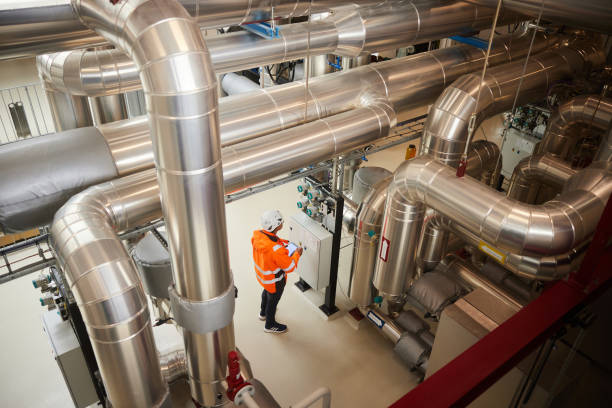
Factories, warehouses, workshops, logistics centers, and Pre-Engineered Buildings (PEB) depend on properly fabricated and installed structural components to provide the required strength, stability, and long-term performance.
Inspection should not be limited to checking the finished building. Engineers should monitor critical aspects of the project from material delivery and fabrication through transportation, erection, connections, protective coatings, and final alignment.
A systematic inspection process can help identify fabrication errors, installation problems, connection deficiencies, corrosion risks, and other issues before they affect the performance of the structure.
This article explains the main areas engineers should check when inspecting a steel structure.
Why Steel Structure Inspection Is Important
Structural steel components are designed to work together as an integrated system. Columns, beams, rafters, braces, purlins, connections, and foundations all contribute to the building’s stability.
A problem in one component can affect other parts of the structural system.
Proper inspection helps engineers verify that:
- Materials meet project specifications
- Structural members have been fabricated correctly
- Connections are properly installed
- Members are correctly aligned
- Bracing systems are complete
- Protective coatings are suitable
- Installation follows approved drawings
- The completed structure meets design requirements
Inspection is therefore an important part of quality control rather than a final formality.
Inspection Begins With the Design Documents
Before inspecting physical components, engineers should understand the approved structural documents.
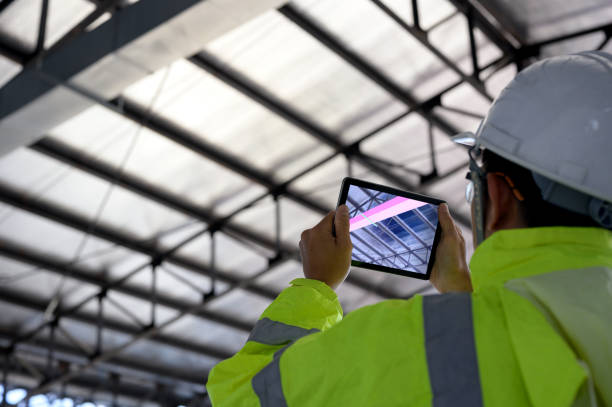
These may include:
- Structural drawings
- Fabrication drawings
- Connection details
- Material specifications
- Design calculations
- Erection drawings
- Inspection procedures
- Applicable standards
Engineers need to know what the structure was designed to achieve before determining whether the constructed building meets those requirements.
Comparing the actual structure with approved documentation can help identify unauthorized changes or deviations.
Checking Steel Materials
Material inspection is one of the first physical inspection stages.
Steel materials should be verified against the project specifications and relevant documentation.
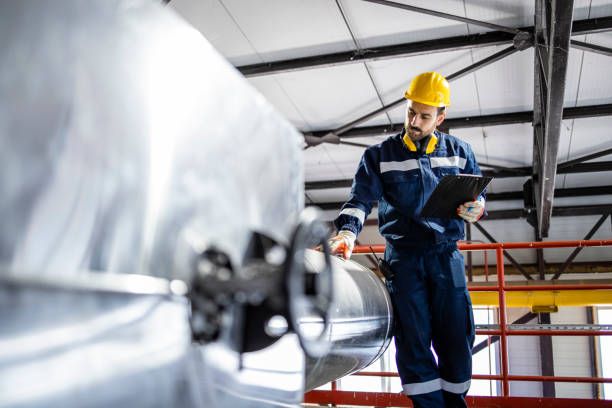
Engineers may check:
- Steel grade
- Material dimensions
- Plate thickness
- Section sizes
- Material certificates
- Surface condition
- Identification markings
Material traceability can be particularly important for structural projects because engineers and quality-control personnel need to confirm that the correct materials were used.
Any material that does not match the approved specification should be evaluated before it is incorporated into the structure.
Fabrication Inspection
Steel fabrication must be carefully controlled because errors made during manufacturing can create installation problems later.
During fabrication, engineers or quality-control personnel may inspect:
- Cutting dimensions
- Hole locations
- Member lengths
- Plate positioning
- Welds
- Stiffeners
- Connection plates
- Member straightness
- Assembly accuracy
Fabrication drawings should be used as a reference when checking dimensions and component configurations.
Accurate fabrication can reduce difficulties during transportation and erection.
Welding Inspection
Welding is widely used in the fabrication of steel structures.
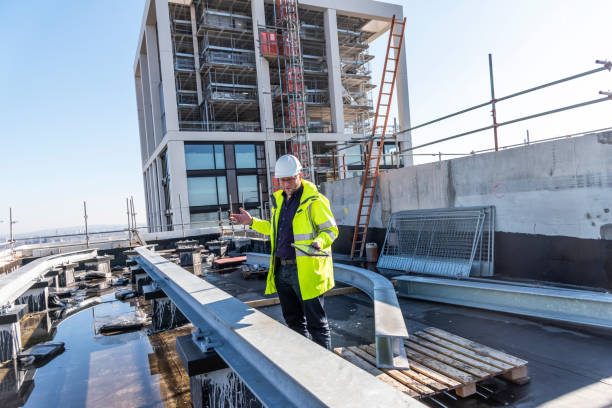
The quality of welded connections can have a direct impact on structural performance.
Engineers may inspect:
- Weld size
- Weld length
- Weld location
- Weld appearance
- Surface defects
- Welding procedures
- Welder qualifications
- Welding consumables
Depending on the connection and project requirements, non-destructive testing may also be specified.
Possible welding defects can include cracks, porosity, incomplete fusion, undercut, and inadequate weld dimensions.
The appropriate inspection method depends on the type and importance of the connection.
Inspection of Bolted Connections
Bolted connections are common in steel building erection, particularly in PEB systems.
Inspection should verify that the specified bolts, nuts, and washers have been used correctly.
Engineers may check:
- Bolt grade
- Bolt diameter
- Bolt length
- Hole alignment
- Washer arrangement
- Bolt installation
- Tightening requirements
- Required pretension where applicable
Incorrectly installed or inadequately tightened bolts can reduce the intended performance of a connection.
Inspection procedures should follow the requirements specified for the particular connection and applicable structural standards.
Column Inspection
Steel columns are fundamental load-bearing members and require careful inspection.
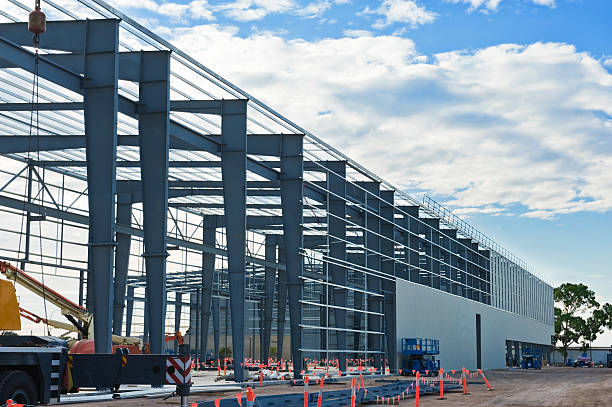
Engineers may check:
- Column size
- Member identification
- Vertical alignment
- Base plate position
- Anchor bolts
- Column connections
- Stiffeners
- Bracing connections
- Surface condition
Column alignment is particularly important because excessive deviations can affect structural behavior and connection installation.
Any significant alignment issue should be evaluated before proceeding with subsequent construction activities.
Beam and Rafter Inspection
Beams and rafters transfer loads through the structural frame and must be correctly installed.
Inspection may include checking:
- Member dimensions
- Orientation
- Connection locations
- Bolted connections
- Welded connections
- Deflection or visible deformation
- Alignment
- Bracing attachments
For PEB buildings, tapered rafters and built-up members require particular attention to their geometry and connection details.
Bracing System Inspection
Bracing systems provide lateral stability and help transfer horizontal forces through the building.
Engineers should verify that all required bracing members are installed according to the approved drawings.
Checks may include:
- Brace locations
- Member sizes
- Connection details
- Bolt installation
- Tensioning requirements
- Roof bracing
- Wall bracing
- Temporary bracing during erection
Missing or incorrectly installed bracing can affect the stability of the structure.
Structural bracing should not be removed or modified without appropriate engineering assessment.
Foundation and Anchor Bolt Inspection
Although the steel structure sits above the foundation, inspection of the supporting concrete system is also important.
Before steel erection, engineers should check:
- Foundation dimensions
- Anchor bolt locations
- Anchor bolt projection
- Base elevations
- Foundation condition
- Concrete strength documentation where required
- Alignment
Accurate anchor bolt positioning is essential for proper column installation.
If anchor bolts are significantly misplaced, corrective action should be determined by qualified engineers rather than forcing the steel components into position.
Steel Structure Alignment
Once the main frame has been erected, engineers should verify its alignment.
Important checks can include:
- Column verticality
- Frame alignment
- Building dimensions
- Elevations
- Member positioning
- Roof geometry
- Connection alignment
Surveying equipment can be used to obtain accurate measurements during erection and final inspection.
Correct alignment helps ensure that the structure matches the approved engineering design.
Inspection of Protective Coatings
Steel can be vulnerable to corrosion when exposed to moisture and aggressive environments.
Protective coatings should therefore be inspected according to the project requirements.
Inspection may include:
- Surface preparation
- Primer application
- Coating type
- Coating continuity
- Dry film thickness
- Damaged areas
- Touch-up work
Areas damaged during transportation or erection may require repair before the structure is placed into service.
Corrosion and Surface Condition
During inspection, engineers should look for visible corrosion, coating damage, water accumulation, and other conditions that could accelerate deterioration.
Particular attention may be needed around:
- Connections
- Base plates
- Drainage areas
- Roof penetrations
- Exposed steel
- Areas with trapped moisture
Industrial buildings containing chemicals or high humidity may require additional corrosion protection and more frequent inspection.
Inspection During Steel Erection
Inspection should continue while the building is being assembled.
Engineers may monitor:
- Erection sequence
- Temporary bracing
- Column positioning
- Frame stability
- Connection installation
- Lifting procedures
- Member damage
- Alignment
A partially erected structure may behave differently from the completed building.
Temporary stability must therefore be considered throughout the erection process.
Final Structural Inspection
After installation is substantially complete, a final inspection should verify the overall condition of the structure.
The final inspection can include:
- Structural alignment
- Member identification
- Connections
- Bracing
- Welds
- Bolts
- Protective coatings
- Visible damage
- Openings and penetrations
- Roof and wall systems
Any outstanding issues should be documented and addressed according to the project’s quality-control procedures.
Common Problems Found During Steel Inspection
Several issues can occur during steel construction.
Common examples include:
- Incorrect member dimensions
- Misaligned columns
- Missing bolts
- Incorrect bolt installation
- Welding defects
- Missing bracing
- Damaged protective coatings
- Incorrect connection details
- Foundation or anchor bolt deviations
- Member deformation
Not every deviation requires replacement. However, structural deviations should be evaluated by qualified engineers to determine their significance and the appropriate corrective action.
Inspection Documentation and Reports
Inspection findings should be properly documented.
A professional inspection report may include:
- Project identification
- Inspection date
- Areas inspected
- Components examined
- Measurements
- Photographs
- Non-conformities
- Corrective actions
- Inspection results
- Engineer comments
Clear documentation provides a record of the construction quality and helps project teams track outstanding issues.
It can also be valuable during future maintenance and structural assessments.
Inspection of PEB Structures
PEB buildings require the same fundamental principles of structural inspection as other steel buildings, but their prefabricated components require careful coordination.
Engineers should verify that:
- Fabricated members match approved drawings
- Connections are correctly assembled
- Bracing systems are complete
- Purlins and girts are correctly installed
- Roof and wall systems are properly connected
- Field modifications are properly approved
Because PEB components are manufactured to specific dimensions, unauthorized modifications or drilling at the construction site can affect structural performance.
When Should Steel Structures Be Inspected?
Inspection should take place at several stages rather than only after construction is complete.
Important stages include:
- Design and document review
- Material delivery
- Fabrication
- Welding and connection production
- Surface preparation and coating
- Transportation
- Foundation preparation
- Steel erection
- Connection installation
- Final inspection
Periodic inspections should also be performed after the building enters service.
The frequency depends on the building’s use, environmental exposure, structural system, and maintenance requirements.
The Role of Euro Steel in Steel Structure Quality
Quality control and inspection should be integrated into the entire steel construction process.
Euro Steel provides steel structure solutions for industrial and commercial buildings, with engineering, fabrication, and construction activities coordinated according to project requirements.
For factories, warehouses, and PEB structures, inspection can cover materials, fabrication, welding, bolting, structural alignment, bracing, coatings, and final installation.
A systematic quality-control approach helps ensure that fabricated and installed steel components correspond with the intended structural design.
Conclusion
Steel structure inspection is essential for maintaining the safety, stability, and long-term performance of industrial and commercial buildings.
Engineers should inspect more than the visible appearance of the structure. They must evaluate materials, fabrication, welding, bolted connections, columns, beams, rafters, bracing, foundations, alignment, protective coatings, and installation procedures.
Inspection should take place throughout the project, from the initial material stage through fabrication and erection to final completion.
Proper documentation is equally important because inspection records provide evidence of quality control and can support future maintenance activities.
For factories, warehouses, and PEB buildings, a systematic inspection process can identify problems early and reduce the risk of costly structural issues later.
With proper engineering, fabrication, inspection, and installation procedures, Euro Steel supports the development of reliable steel structures designed for demanding industrial and commercial applications.
Frequently Asked Questions
What should engineers check when inspecting a steel structure?
Engineers should check structural members, materials, welds, bolts, connections, bracing, foundations, anchor bolts, alignment, protective coatings, and compliance with approved drawings.
When should a steel structure be inspected?
Inspection should occur throughout the project, including during material delivery, fabrication, welding, coating, erection, connection installation, and final completion.
Why is welding inspection important?
Welding inspection helps identify defects or deviations that could affect the structural capacity and reliability of welded connections.
What should be checked in bolted connections?
Engineers should verify bolt type, size, installation, alignment, washer arrangement, and tightening or pretension requirements where applicable.
Why is column alignment important?
Proper column alignment helps ensure that structural members and connections behave as intended and that the completed frame corresponds to the approved design.
What is checked during PEB inspection?
PEB inspection can include fabricated members, columns, rafters, purlins, girts, bracing, bolted connections, roof systems, wall systems, and structural alignment.
How is steel corrosion inspected?
Engineers look for visible corrosion, coating damage, moisture accumulation, exposed steel, and other conditions that may accelerate deterioration.
Can a damaged steel member be repaired?
In some cases, a damaged member can be repaired, but the appropriate solution depends on the type and extent of damage. A qualified structural engineer should evaluate the condition before repair work begins.
Is inspection required after a steel building is completed?
Periodic inspection is recommended to identify corrosion, connection problems, structural damage, coating deterioration, and other issues that may develop during the building’s service life.
What does Euro Steel do to support steel structure quality?
Euro Steel supports steel structure projects through coordinated engineering, fabrication, quality control, and installation processes for industrial and commercial applications.