
Steel Fabrication Services: From Engineering Drawings to Site Installation
Steel fabrication is a critical stage in the construction of industrial buildings, warehouses, factories, and other steel structures.
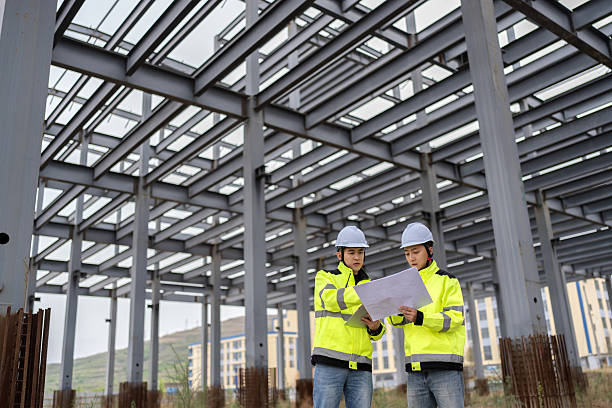
While structural design determines how a building should perform, fabrication transforms engineering information into physical steel components that can be transported and assembled on site.
The process involves much more than cutting and welding steel. It requires careful coordination between engineering drawings, material specifications, fabrication equipment, quality control, surface treatment, transportation, and site installation.
A well-organized fabrication process can improve dimensional accuracy, reduce installation problems, and help ensure that the finished structure matches the approved engineering design.
This guide explains the main stages of steel fabrication, from engineering drawings to final installation on site.
1. Starting With Engineering Drawings
Every steel fabrication project begins with engineering information. Structural drawings define the overall building arrangement, structural members, connections, dimensions, and design requirements.
These documents provide the foundation for fabrication drawings and production planning.
The engineering information may include:
- General arrangement drawings.
- Structural framing plans.
- Elevations and sections.
- Member sizes and specifications.
- Connection details.
- Steel grades.
- Design loads.
- Bolted and welded connection requirements.
- Protective coating specifications.
Before fabrication begins, the available engineering information should be reviewed carefully to identify missing details or potential conflicts.
Errors discovered at this stage are generally easier to correct than problems discovered after steel components have already been fabricated.
2. Preparing Detailed Fabrication Drawings
Engineering drawings provide the structural design, but fabrication requires detailed production information.
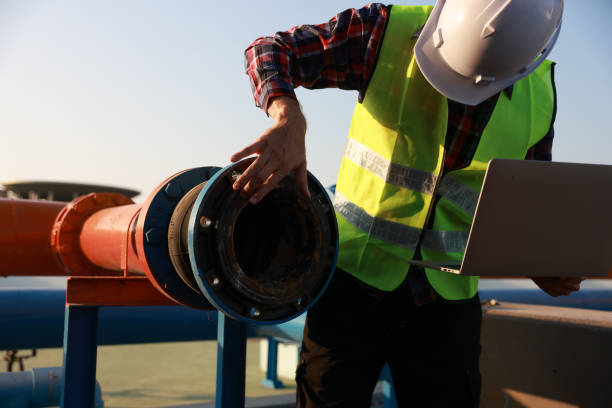
Fabrication drawings translate the structural design into instructions that can be used by the workshop.
These drawings may show:
- Exact member dimensions.
- Cutting lengths.
- Plate thicknesses.
- Hole locations.
- Weld details.
- Bolt arrangements.
- Connection plates.
- Stiffeners.
- Assembly marks.
- Piece identification numbers.
The drawings should be coordinated with the structural design before manufacturing begins.
Modern fabrication projects often use digital modeling and detailing systems to improve coordination and identify clashes between structural components.
3. Material Selection and Procurement
The next stage involves sourcing the required steel materials according to the approved specifications.
Materials may include:
- Structural steel sections.
- Steel plates.
- Connection plates.
- Angles and channels.
- Bolts and fasteners.
- Welding consumables.
- Protective coating materials.
Material certificates and traceability records may be maintained to verify that the supplied steel meets the required specifications.
Proper material identification is particularly important when a project uses different steel grades or plate thicknesses.
4. Cutting and Preparing Steel Components
Once materials are available, steel members are prepared for fabrication.
Depending on the project, cutting may be performed using processes such as saw cutting, plasma cutting, or other suitable methods.
The cutting process must maintain the required dimensions and tolerances.
Steel plates may also require preparation for:
- Connection plates.
- Base plates.
- Stiffeners.
- Gusset plates.
- End plates.
- Brackets.
Accurate cutting provides a strong foundation for subsequent assembly and welding.
5. Drilling and Creating Connection Holes
Many steel structures use bolted connections, which require accurately positioned holes.
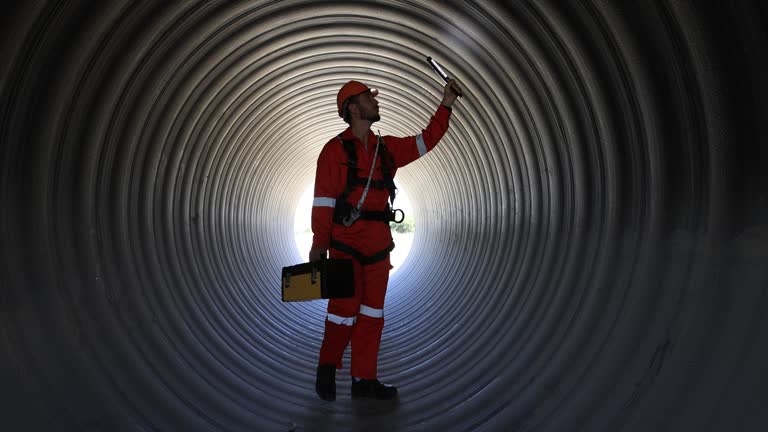
Hole locations and diameters must correspond to the fabrication drawings and connection requirements.
Modern fabrication equipment can improve the accuracy and repeatability of hole preparation.
Incorrect hole positions can create significant problems during site installation. If holes do not align with the corresponding connection plates, installers may need additional site work, which can increase delays and compromise the intended connection arrangement.
For this reason, dimensional checks should be performed before components leave the fabrication stage.
6. Assembly and Fit-Up
After individual components have been cut and prepared, they are assembled according to the fabrication drawings.
This stage may involve positioning:
- Flanges.
- Web plates.
- Stiffeners.
- Connection plates.
- Brackets.
- Gusset plates.
- Other structural components.
Temporary fixtures or alignment systems may be used to maintain the correct geometry during fabrication.
Proper fit-up helps reduce distortion and ensures that welded and bolted components are positioned correctly.
7. Welding of Steel Components
Welding is one of the most important fabrication operations for steel structures.
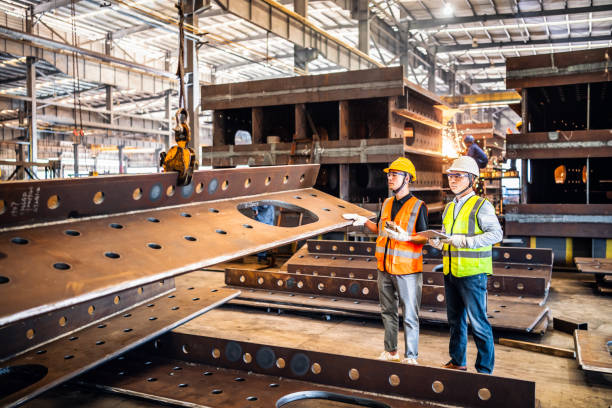
Welding procedures should be selected according to the material, connection design, welding position, and applicable requirements.
Important considerations include:
- Welding procedure specifications.
- Welder qualifications.
- Joint preparation.
- Welding sequence.
- Preheating where required.
- Welding consumables.
- Distortion control.
- Visual inspection.
- Non-destructive testing where specified.
The welding sequence can influence deformation and dimensional accuracy. Proper fabrication planning helps minimize distortion and maintain the required geometry.
8. Quality Control During Fabrication
Quality control should be integrated throughout the fabrication process rather than performed only at the end.
Typical checks may include:
- Material verification.
- Dimensional inspection.
- Weld inspection.
- Hole positioning.
- Member alignment.
- Surface condition.
- Connection details.
- Coating thickness where applicable.
Inspection requirements depend on the project specifications, applicable standards, and structural importance of the components.
A systematic quality control process helps identify defects before the steel reaches the construction site.
9. Surface Preparation and Corrosion Protection
After fabrication, steel components may require surface preparation and protective treatment.
The purpose is to protect the steel against corrosion and provide the required service life for the project environment.
Depending on the specification, protection may involve:
- Cleaning.
- Abrasive blasting.
- Priming.
- Paint systems.
- Specialized protective coatings.
- Galvanizing for suitable components.
Surface preparation is an important part of coating performance. Applying protective material over poorly prepared surfaces can reduce its effectiveness.
The selected coating system should consider environmental exposure, expected service conditions, and project specifications.
10. Final Inspection Before Shipment
Before steel components leave the fabrication facility, a final inspection should verify that they are ready for transportation and installation.
The inspection may confirm:
- Member dimensions.
- Identification marks.
- Connection details.
- Bolt holes.
- Weld quality.
- Surface treatment.
- Coating condition.
- Packaging requirements.
- Shipping sequence.
Component identification is especially important for large projects with hundreds or thousands of individual steel pieces.
Clear markings help site teams locate the correct members during erection.
11. Planning Transportation to the Site
Transporting fabricated steel requires careful planning because components can vary considerably in size and weight.
Transportation planning should consider:
- Member dimensions.
- Vehicle capacity.
- Loading arrangements.
- Route restrictions.
- Site access.
- Unloading equipment.
- Delivery sequence.
- Temporary storage areas.
The shipping sequence should ideally correspond with the planned erection sequence.
Delivering components in a logical order can reduce unnecessary handling and minimize congestion at the construction site.
12. Preparing for Site Installation
Before erection begins, the construction site should be prepared.
The installation team should verify that:
- Foundations are complete.
- Anchor bolts are correctly positioned.
- Access routes are available.
- Lifting equipment is suitable.
- Temporary storage areas are prepared.
- Safety systems are in place.
- Structural drawings are available.
- Required components have arrived.
Foundation and anchor bolt accuracy are particularly important because errors at this stage can affect the installation of the entire steel frame.
13. Steel Erection and Structural Assembly
Site installation typically begins with positioning the primary structural members.
Depending on the building, the erection sequence may involve:
- Installing columns.
- Positioning beams or rafters.
- Installing temporary bracing.
- Connecting primary members.
- Installing secondary framing.
- Completing permanent bracing.
- Checking alignment.
- Installing remaining structural components.
Temporary stability is critical during erection. The partially completed frame may not have the same stability as the completed structure, so erection procedures should account for temporary conditions.
14. Bolting and Connection Completion
Once members are positioned, permanent connections can be completed.
Bolted connections require appropriate installation procedures and inspection.
Installation teams should verify:
- Correct bolt type.
- Correct bolt diameter.
- Bolt quantity.
- Connection orientation.
- Proper installation.
- Required tightening procedure.
- Connection alignment.
Connections should be installed according to the approved drawings and project requirements.
Unapproved changes to connection details should not be made simply to overcome installation difficulties.
15. Alignment and Dimensional Checks
After the main steel frame is erected, the structure should be checked for alignment and dimensional accuracy.
Checks may include:
- Column verticality.
- Frame alignment.
- Building dimensions.
- Connection positioning.
- Roof geometry.
- Bracing alignment.
- Structural tolerances.
Surveying equipment can be used to verify the position of key structural elements.
Identifying alignment problems early makes correction easier before cladding and other building systems are installed.
16. Installing Secondary Steel and Building Components
Once the primary frame is stable, secondary structural components can be installed.
These may include:
- Purlins.
- Girts.
- Eave struts.
- Bracing.
- Door framing.
- Canopy structures.
- Equipment supports.
Roof and wall cladding can then be installed according to the project sequence.
Coordination is important because secondary framing often supports or interfaces directly with architectural and mechanical components.
17. Managing Safety During Installation
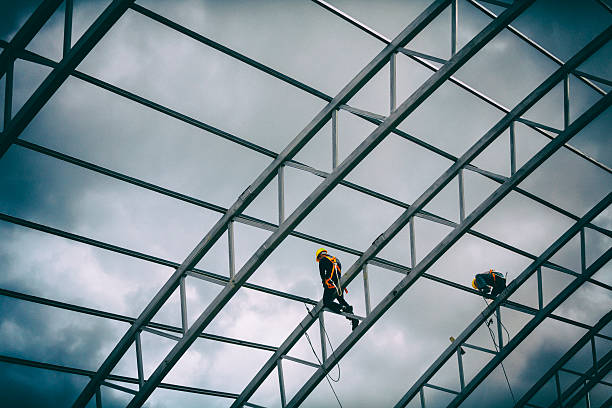
Steel erection involves lifting operations, working at height, heavy components, temporary conditions, and moving equipment.
A suitable site safety plan should address:
- Lifting operations.
- Crane positioning.
- Working at height.
- Fall protection.
- Temporary stability.
- Exclusion zones.
- Weather conditions.
- Personal protective equipment.
- Communication between workers.
Erection should be performed by appropriately trained personnel using suitable equipment and procedures.
Safety planning is not something to discover halfway through lifting a several-ton structural member. Humanity has already conducted enough experiments in gravity.
18. Final Inspection and Handover
After installation is complete, the structure should undergo final inspection according to the project requirements.
The inspection may verify:
- Structural alignment.
- Connection completion.
- Bolting.
- Welded site connections where applicable.
- Bracing installation.
- Coating condition.
- Damaged components.
- Overall workmanship.
Any identified defects should be documented and corrected before the structure is handed over.
Project documentation may include inspection reports, material certificates, coating records, fabrication drawings, as-built information, and other relevant quality records.
19. How Euro Steel Approaches Steel Fabrication
Euro Steel supports steel construction projects by connecting engineering, fabrication, quality control, and installation requirements into a coordinated process.
The transition from engineering drawings to a completed steel structure requires accuracy at every stage. A well-prepared fabrication drawing is only useful when workshop production follows it correctly, and accurately fabricated steel is only effective when components are transported and installed according to the approved erection plan.
This integrated approach helps reduce fabrication errors, improve site coordination, and support reliable structural performance.
Conclusion
Steel fabrication is a complete process that connects engineering design with physical construction. It begins with structural drawings and detailed fabrication information, continues through material preparation, cutting, drilling, assembly, welding, inspection, and protective treatment, and ends with transportation and site installation.
Every stage contributes to the quality of the finished structure.
Accurate fabrication drawings, controlled production, systematic inspection, careful transportation, and organized erection can reduce installation problems and improve project efficiency.
For industrial buildings, warehouses, factories, and other steel structures, treating fabrication and installation as an integrated part of the engineering process helps create a more reliable and efficient construction project.
Frequently Asked Questions
1. What is steel fabrication?
Steel fabrication is the process of transforming structural steel materials into components that can be assembled into a building or structural system. It can include cutting, drilling, welding, assembly, surface preparation, coating, inspection, and preparation for installation.
2. What is the difference between engineering drawings and fabrication drawings?
Engineering drawings define the structural design and overall arrangement, while fabrication drawings provide detailed information required to manufacture individual steel components, including dimensions, holes, welds, plates, and connection details.
3. Why is quality control important during steel fabrication?
Quality control helps verify that materials, dimensions, welds, connections, and protective coatings meet the project requirements. Identifying problems during fabrication can prevent more difficult corrections during site installation.
4. How are fabricated steel components transported to the site?
Transportation depends on the dimensions and weight of the components. Loads are planned according to available vehicles, route restrictions, site access, unloading requirements, and the planned erection sequence.
5. What happens before steel erection begins?
The site should be checked to confirm that foundations and anchor bolts are ready, access is available, lifting equipment is suitable, components are delivered, and the necessary safety and erection procedures are in place.
6. Why are temporary bracing systems important during steel erection?
A partially erected steel frame may not have the stability of the completed structure. Temporary bracing helps maintain stability during construction until the permanent structural system is fully connected.
7. What should be checked after steel installation?
Final checks can include structural alignment, column verticality, connections, bolts, bracing, welds where applicable, coatings, dimensions, and overall workmanship. The exact inspection requirements depend on the project specifications.
8. Can steel fabrication drawings be changed during construction?
Changes may sometimes be necessary, but they should be reviewed and approved through the appropriate engineering and project-control process. Uncontrolled changes can create connection, structural, or installation problems.