
steel roof systems : Types, Advantages, and Applications
The roof is one of the most important components of any industrial or commercial building.
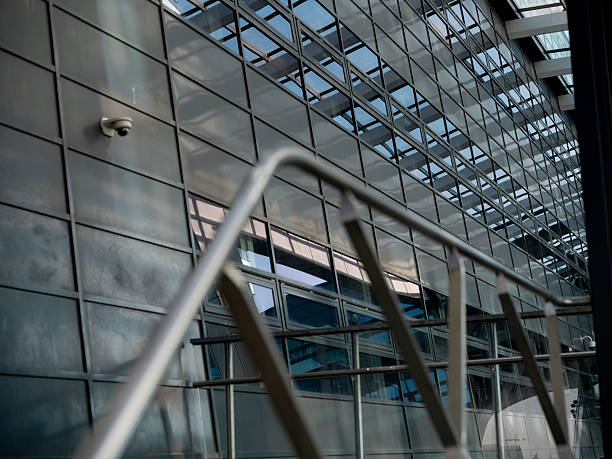
It protects the structure and its contents from weather conditions while also contributing to the building’s energy efficiency, durability, appearance, and overall performance. For warehouses, factories, workshops, logistics centers, and other large facilities, steel roof systems provide a practical and reliable solution.
Steel roofing systems are available in different designs and configurations, allowing them to meet the requirements of a wide range of construction projects. Depending on the building’s size, location, purpose, environmental conditions, and budget, the appropriate roof system can be selected to provide long-term performance.
In this article, we explore the main types of steel roof systems, their advantages, common applications, and the factors that should be considered when selecting a roofing solution for an industrial project.
What Is a Steel Roof System?
A steel roof system is a roofing solution that uses steel as a primary structural or roofing material. It can include structural steel framing, roof panels, purlins, insulation, protective coatings, fasteners, flashing, and other components required to create a complete roofing assembly.
Steel roof systems are commonly incorporated into industrial steel buildings and pre-engineered buildings (PEBs). Their design can be customized according to the building’s dimensions, structural loads, environmental conditions, insulation requirements, and architectural specifications.
A properly designed steel roof does more than simply cover a building. It works as part of the overall structural system and must be capable of handling factors such as wind, snow, rain, equipment loads, and other environmental forces.
Main Types of Steel Roof Systems
There are several types of steel roofing systems available for industrial and commercial applications.
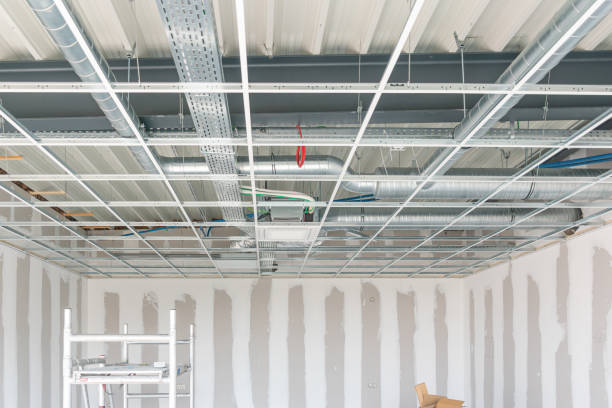
The most suitable option depends on the specific requirements of the project.
1. Standing Seam Metal Roof Systems
Standing seam roofs use continuous metal panels with raised seams that connect adjacent panels. The seams are typically designed to reduce the number of exposed fasteners on the roof surface.
One of the major benefits of standing seam systems is their clean appearance and effective resistance to weather exposure. They can also accommodate thermal movement, which is particularly important for large metal roofs where temperature changes can cause expansion and contraction.
Standing seam systems are commonly used in warehouses, industrial buildings, commercial facilities, and modern architectural projects.
2. Corrugated Steel Roofing
Corrugated steel roofing consists of metal sheets formed into a repeated wave or corrugated profile. The profile increases the rigidity of the sheet while maintaining a relatively lightweight construction.
Corrugated steel roofing is widely used because it is practical, durable, and relatively simple to install. It can be used for industrial buildings, workshops, agricultural facilities, storage structures, and other applications.
Depending on the project’s requirements, corrugated panels can be combined with insulation and protective coatings to improve thermal performance and resistance to environmental conditions.
3. Trapezoidal Steel Roof Panels
Trapezoidal roof panels feature a geometric profile with trapezoid-shaped ribs. This configuration provides structural stiffness and makes the panels suitable for large roof areas.
They are frequently used in industrial and commercial buildings where a combination of strength, efficiency, and straightforward installation is required.
Trapezoidal panels can also be incorporated into insulated roof assemblies, helping create a more energy-efficient building envelope.
4. Insulated Sandwich Roof Panels
Sandwich roof panels consist of two outer metal layers with an insulating core between them. The insulation can help improve the building’s thermal performance while the steel outer layers provide protection and structural functionality.
These systems are particularly useful for factories, warehouses, cold-storage facilities, logistics centers, and other buildings where temperature control is important.
The choice of insulation material and panel thickness should be based on the project’s climate, energy requirements, fire considerations, and applicable building standards.
Advantages of Steel Roof Systems
Steel roofing offers several advantages that make it a popular choice for industrial and commercial construction.
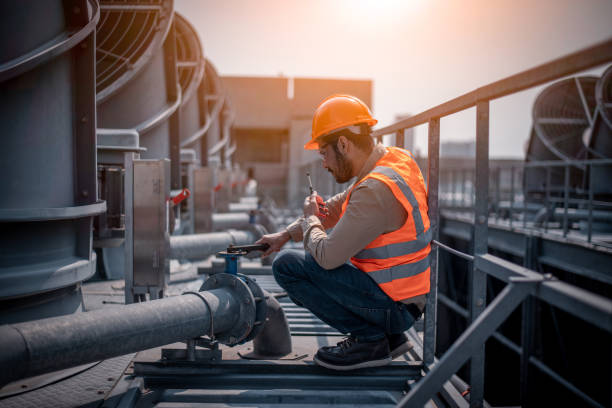
Durability
Steel is a strong material capable of providing long-term performance when properly designed, manufactured, installed, and maintained.
Modern steel roofing products can also be protected with coatings that improve resistance to corrosion and environmental exposure.
Lightweight Construction
Compared with many traditional roofing materials, steel roofing can provide high strength without adding excessive weight to the structure.
Reducing unnecessary dead loads can contribute to an efficient structural design and may also influence foundation requirements.
Fast Installation
Many steel roof components are manufactured to precise dimensions before reaching the construction site. This can make installation faster and more organized.
For industrial projects, shorter installation periods can help reduce labor requirements and allow the facility to become operational sooner.
Large-Span Capability
Steel is particularly suitable for buildings that require large unobstructed interior spaces. This is one reason steel roof systems are widely used in warehouses, factories, and logistics facilities.
Large roof spans can provide greater flexibility for storage systems, machinery, production lines, cranes, and material handling equipment.
Design Flexibility
Steel roof systems are available in different profiles, finishes, colors, insulation configurations, and structural arrangements.
This allows architects and engineers to develop roofing solutions that meet both functional and aesthetic requirements.
Low Maintenance Requirements
A properly installed steel roof can require relatively limited maintenance compared with some other roofing materials. However, regular inspections remain important.
Checking fasteners, joints, flashing, drainage systems, protective coatings, and areas exposed to moisture can help identify potential problems at an early stage.
Applications of Steel Roof Systems
Steel roofs can be used in many different types of buildings and industries.
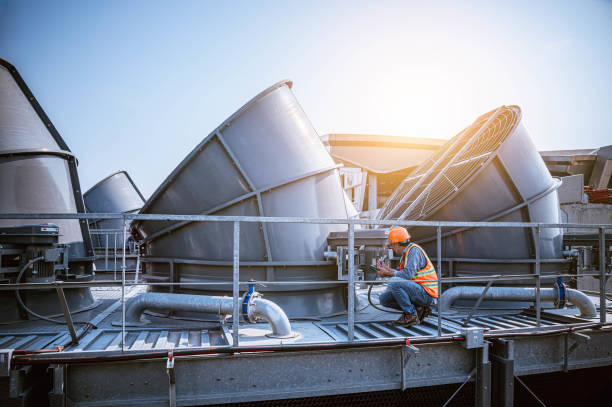
Warehouses
Warehouses often require large open spaces, high ceilings, and efficient protection for stored goods. Steel roof systems are well suited to these requirements and can be combined with insulation where necessary.
Manufacturing Facilities
Factories may contain heavy machinery, production lines, ventilation systems, and overhead cranes. A properly engineered steel roof can be designed to accommodate the building’s structural and operational requirements.
Logistics and Distribution Centers
Modern logistics facilities often require very large floor areas and high internal clearances. Steel framing and roofing systems can provide the flexibility needed for storage racks, loading areas, and automated handling systems.
Workshops and Industrial Facilities
Workshops require durable buildings capable of withstanding demanding operating conditions. Steel roofing provides a practical solution for workshops, maintenance facilities, and industrial service buildings.
Agricultural Buildings
Steel roof systems are also commonly used in agricultural structures such as storage buildings, barns, equipment sheds, and livestock facilities. Their durability and relatively fast installation make them suitable for many agricultural applications.
Factors to Consider When Choosing a Steel Roof System
Selecting the right roofing system requires more than comparing prices. Several technical and operational factors should be evaluated.
Climate and Weather Conditions
Local weather conditions can have a significant influence on roof design. Wind speeds, snow loads, rainfall, humidity, temperature changes, and other environmental factors should be considered during engineering.
Insulation Requirements
The required level of thermal insulation depends on the building’s purpose and local climate.
For facilities that require controlled temperatures, insulated sandwich panels or other high-performance roofing assemblies may be more appropriate than basic single-layer roofing.
Roof Slope and Drainage
Proper roof slope is essential for effective water drainage.
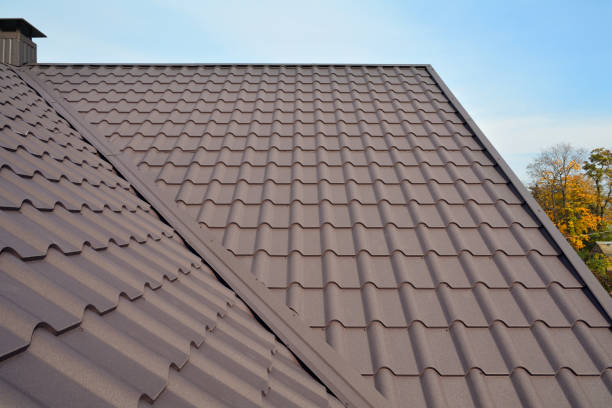
The roof design should prevent standing water and direct rainwater toward suitable drainage systems.
Poor drainage can contribute to corrosion, leaks, and premature deterioration.
Corrosion Protection
The environmental conditions surrounding a building should be considered when selecting steel products and protective systems.
Buildings located in humid, coastal, industrial, or chemically aggressive environments may require enhanced corrosion protection.
Structural Loads
The roof must be engineered to withstand applicable dead loads, wind loads, snow loads, maintenance loads, and other relevant forces.
Professional structural engineering is essential to ensure that the roof system performs safely under expected conditions.
Steel Roof Systems and Pre-Engineered Buildings
Steel roof systems are an integral part of many pre-engineered building solutions. In a PEB, structural components are designed and manufactured according to specific project requirements before being assembled on site.
This approach can improve construction efficiency and help coordinate the roof, walls, structural frame, insulation, and other building components.
For industrial clients, choosing an experienced steel structure provider can simplify the process from design and engineering through fabrication and installation.
Euro Steel International provides steel structure solutions for industrial and commercial projects, helping clients develop roofing and structural systems according to their specific building requirements.
How to Extend the Life of a Steel Roof
Although steel roofs are durable, proper maintenance is essential for maximizing their service life.
Building owners should periodically inspect the roof for signs of corrosion, damaged panels, loose fasteners, blocked drainage systems, damaged flashing, and deterioration of protective coatings.
Debris should also be removed from areas where it could retain moisture. Any damage should be addressed promptly rather than allowing minor problems to develop into major repairs.
The appropriate maintenance schedule depends on the roof system, environmental exposure, building use, and manufacturer’s recommendations.
Conclusion
Steel roof systems offer a combination of durability, structural efficiency, design flexibility, and fast installation that makes them an excellent choice for many industrial and commercial buildings.
From standing seam and corrugated roofing to trapezoidal panels and insulated sandwich systems, different solutions are available to meet different project requirements. The right choice depends on factors such as building use, climate, insulation needs, structural loads, drainage, corrosion exposure, and budget.
A successful roofing project starts with proper planning and professional engineering. By selecting suitable materials and working with an experienced steel structure company, building owners can achieve a roofing system that provides reliable performance and long-term value.
For industrial projects requiring high-quality steel structures and roofing solutions, Euro Steel International can help clients develop systems tailored to their project’s technical and operational requirements.
Frequently Asked Questions (FAQ)
What is the best type of steel roof system for an industrial building?
There is no single solution that is best for every project. Standing seam, trapezoidal panels, corrugated roofing, and insulated sandwich panels can all be suitable depending on the building’s purpose, climate, insulation requirements, structural design, and budget.
Are steel roof systems durable?
Yes. Properly engineered and installed steel roofing systems can provide long-term durability. Appropriate corrosion protection and regular maintenance are important for maintaining their performance.
Are steel roofs suitable for warehouses?
Yes. Steel roofs are widely used for warehouses because they can cover large areas efficiently and can be combined with insulation, ventilation, and suitable drainage systems.
Do steel roofs require insulation?
Insulation is not always required, but it is often important for buildings where temperature control and energy efficiency are priorities. The appropriate insulation solution depends on the building’s use and local climate.
How long does a steel roof last?
The service life of a steel roof depends on factors such as material quality, protective coatings, installation quality, environmental exposure, and maintenance. Proper design and maintenance can significantly extend the roof’s useful life.
How can steel roofing be protected against corrosion?
Steel roofing can be protected using appropriate protective coatings, galvanized materials, suitable paint systems, and regular maintenance. The appropriate protection method depends on the environmental conditions of the project.
Can steel roof systems be customized?
Yes. Steel roofing can be customized in terms of dimensions, profiles, insulation, finishes, roof slope, structural configuration, and other project requirements. Professional engineering should determine the appropriate specifications for each building.