
Steel Structure Inspection and Maintenance: A Practical Checklist
Steel structures are known for their strength, durability, and ability to support demanding industrial and commercial applications.
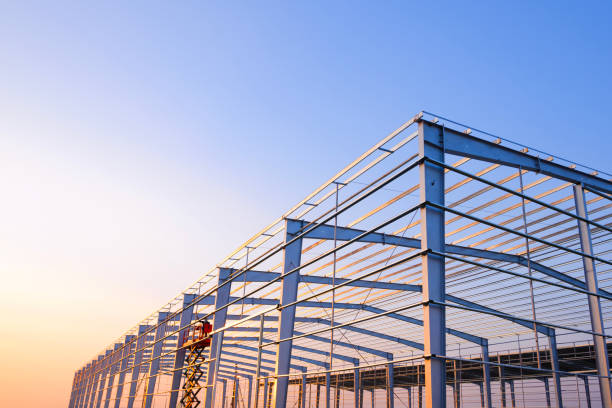
However, even a well-designed and properly fabricated steel building requires regular inspection and maintenance to maintain its structural performance over time.
Exposure to moisture, corrosion, mechanical impact, changes in building use, connection deterioration, and damage to protective coatings can gradually affect a steel structure. Early identification of these issues can help prevent more serious damage and reduce the risk of expensive repairs.
A practical inspection and maintenance program should cover the main structural members, connections, protective systems, roof and wall components, drainage, foundations, and any modifications made during the building’s service life.
This guide provides a practical checklist for inspecting and maintaining steel structures.
1. Why Regular Steel Structure Inspection Matters
Steel does not normally deteriorate without cause, but environmental exposure and operating conditions can gradually affect structural components.
Regular inspection helps identify problems such as:
- Surface corrosion.
- Damaged protective coatings.
- Loose or damaged bolts.
- Weld defects or cracking.
- Deformation of structural members.
- Water leakage.
- Damaged roof or wall cladding.
- Foundation movement.
- Mechanical impact.
- Unauthorized structural modifications.
Finding these issues early allows maintenance teams to address relatively small problems before they develop into more significant structural concerns.
Inspection frequency should depend on the building’s environment, age, use, exposure conditions, and applicable standards.
2. Review the Original Structural Documentation
Before carrying out a detailed inspection, it is useful to review the available project documentation.
Important documents may include:
- Structural drawings.
- Design calculations.
- Fabrication drawings.
- Connection details.
- Material specifications.
- Previous inspection reports.
- Maintenance records.
- Modification records.
- Repair documentation.
Understanding the original structural system helps inspectors identify the members that carry the main loads and recognize changes that may affect the building.
If the building has been modified over the years, those modifications should be documented and assessed where necessary.
3. Inspect Main Steel Members
The primary structural frame should be inspected for visible signs of deterioration or damage.
Typical members include:
- Columns.
- Beams.
- Rafters.
- Trusses.
- Crane-supporting members.
- Bracing members.
- Secondary framing.
Inspectors should look for bending, buckling, twisting, corrosion, cracks, unusual deflection, and physical damage.
Any significant deformation should be investigated rather than simply covered or repaired without determining the underlying cause.
4. Check Steel Columns
Steel columns transfer loads from the upper structure to the foundations and are therefore critical components.
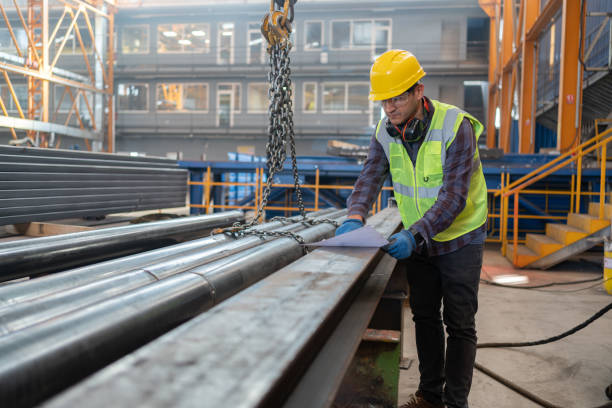
During inspection, check for:
- Corrosion near the base.
- Impact from vehicles or equipment.
- Deformation.
- Damaged coatings.
- Cracks around connections.
- Loose or damaged bolts.
- Water accumulation.
- Problems at column bases.
Column bases deserve particular attention in industrial buildings because moisture, cleaning activities, chemicals, and vehicle impacts can create localized deterioration.
Where damage is suspected, further engineering assessment may be required.
5. Inspect Beams and Rafters
Beams and rafters should be checked for visible damage, corrosion, deformation, and changes in condition.
Inspectors should pay particular attention to areas where water or debris can accumulate.
Potential warning signs include:
- Unexpected sagging.
- Local buckling.
- Corrosion or section loss.
- Cracked welds.
- Damaged connections.
- Evidence of impact.
- Unauthorized attachments.
Roof modifications can also affect structural members. New suspended equipment, ducts, signs, solar equipment, or other loads should not be attached to structural members without appropriate engineering verification.
6. Inspect Bracing Systems
Bracing helps provide stability against lateral forces and maintains the overall behavior of the structural frame.
Inspection should include:
- Bracing members.
- Connections.
- Bolts.
- Welds.
- Turnbuckles where applicable.
- Bracing alignment.
- Signs of impact or deformation.
Missing, damaged, or improperly modified bracing can affect the stability of the building.
Bracing should never be removed or altered simply to create additional space for equipment or doors without an engineering assessment.
7. Examine Bolted Connections
Bolted connections should be inspected for visible signs of deterioration or damage.
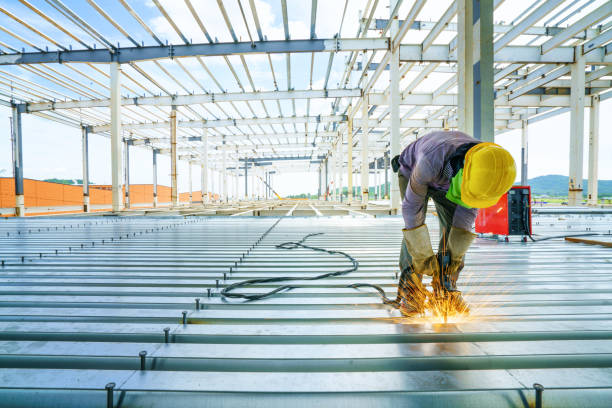
Check for:
- Missing bolts.
- Loose bolts.
- Corrosion.
- Damaged bolt heads or nuts.
- Distorted connection plates.
- Cracks around holes.
- Evidence of movement.
The inspection should consider the original connection design and applicable requirements. If a connection appears compromised, qualified personnel should determine whether additional inspection or testing is necessary.
Simply tightening every bolt without understanding the connection design is not a substitute for proper engineering assessment.
8. Inspect Welded Connections
Welded connections can be inspected visually for signs of cracking, corrosion, deformation, or other abnormalities.
Areas that deserve particular attention include connections exposed to repeated loading, vibration, moisture, or harsh industrial environments.
Potential warning signs include:
- Visible cracks.
- Corrosion along weld areas.
- Separation or deformation.
- Unexpected movement.
- Damage caused by impact or modification.
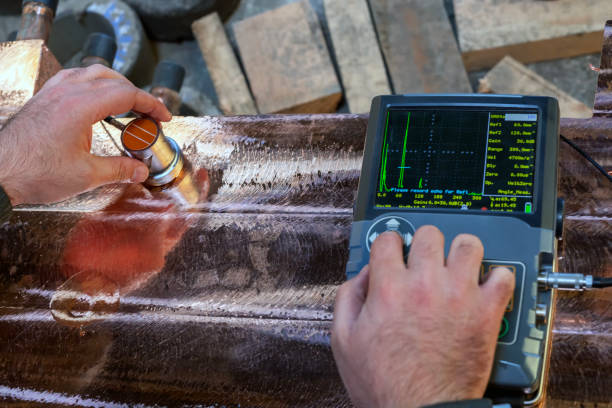
Where a significant weld defect is suspected, appropriate non-destructive testing may be recommended by a qualified inspector or engineer.
9. Check Protective Coatings
Paint and protective coating systems help protect structural steel from corrosion.
Inspection should identify:
- Peeling paint.
- Blistering.
- Cracking.
- Rust stains.
- Exposed steel.
- Mechanical damage.
- Areas where coating has worn away.
Damaged coating should be repaired according to the appropriate coating system and surface preparation requirements.
Before repainting, the underlying steel should be inspected to determine whether corrosion has caused section loss or other damage.
Painting over active corrosion without addressing the underlying condition can hide a problem rather than solve it.
10. Look for Corrosion
Corrosion is one of the most common maintenance concerns for exposed steel structures.
Inspectors should look for corrosion in locations where moisture can remain trapped, including:
- Column bases.
- Roof drainage areas.
- Connections.
- Around penetrations.
- Under damaged coatings.
- Areas with poor drainage.
- Locations exposed to chemicals or industrial contaminants.
Corrosion should be evaluated according to its extent and severity. Surface rust may require relatively simple maintenance, while significant section loss may require engineering assessment and repair.
11. Inspect Roof and Wall Systems
The structural frame cannot be considered separately from the building envelope.
Roof and wall systems should be inspected for:
- Leaks.
- Damaged panels.
- Loose fasteners.
- Failed seals.
- Corrosion.
- Blocked gutters.
- Damaged flashing.
- Water accumulation.
Leaks can introduce moisture into the structural system and accelerate corrosion.
Roof drainage should receive particular attention because blocked gutters and downpipes can cause water to accumulate or flow into areas that were not designed to remain wet.
12. Check Drainage and Water Management
Effective drainage is an important part of steel structure maintenance.
Inspect:
- Gutters.
- Downpipes.
- Roof drains.
- Flashings.
- Drainage channels.
- Ground drainage around foundations.
Water should be directed away from structural steel and foundations.
Persistent water accumulation around column bases can increase corrosion risk, while poor site drainage can contribute to foundation or settlement problems.
13. Inspect Foundations and Column Bases
Although steel is the primary structural material, the foundation system plays an equally important role in maintaining structural stability.
Inspectors should look for:
- Cracks in concrete.
- Settlement.
- Exposed reinforcement where applicable.
- Water accumulation.
- Damaged anchor bolts.
- Corrosion around base plates.
- Signs of soil movement.
Significant changes in floor levels, column alignment, or structural geometry may indicate movement that requires further investigation.
14. Check for Unauthorized Modifications
Industrial buildings frequently change after construction. New equipment, openings, platforms, conveyors, pipes, signs, solar panels, and other additions may be installed over time.
Any modification that affects the structural system should be reviewed appropriately.
Particular attention should be given to:
- Cut or removed bracing.
- New openings.
- Welded attachments.
- Suspended equipment.
- Added loads.
- Modified roof systems.
- Removed structural members.
A modification that appears minor from an operational perspective can still affect load paths or structural stability.
15. Inspect Areas Subject to Mechanical Impact
Warehouses and industrial buildings can experience impact from forklifts, trucks, cranes, machinery, and other equipment.
Column bases and lower wall areas are particularly vulnerable.
Inspect for:
- Dents.
- Bending.
- Scratches exposing bare steel.
- Damaged coatings.
- Deformed connection plates.
- Displaced members.
Impact damage should be assessed before simply straightening or repainting the affected component.
Where structural capacity may have been affected, an engineer should determine the appropriate repair strategy.
16. Create a Maintenance Schedule
A maintenance program should not rely entirely on reacting to visible problems.
A useful schedule can include:
Routine Visual Checks
Basic inspections can identify obvious issues such as leaks, corrosion, damaged panels, blocked drainage, or impact damage.
Periodic Detailed Inspections
More comprehensive inspections should examine structural members, connections, coatings, foundations, and other critical components.
Condition-Based Maintenance
Where deterioration is identified, maintenance should be scheduled according to its severity and potential effect on structural performance.
The exact inspection interval should be established according to the building’s environment, use, age, design requirements, and applicable standards.
17. Keep Inspection Records
Every inspection and repair should be documented.
Records may include:
- Inspection date.
- Inspector or responsible person.
- Areas inspected.
- Identified defects.
- Photographs.
- Measurements.
- Recommended actions.
- Completed repairs.
- Follow-up inspections.
Good documentation helps track deterioration over time and makes it easier to identify recurring problems.
It also provides useful information for future engineers, maintenance teams, and building owners.
18. When Professional Structural Assessment Is Required
Routine visual maintenance does not replace professional engineering assessment when serious defects are identified.
Professional evaluation may be necessary when there is:
- Significant corrosion or section loss.
- Structural deformation.
- Cracking of important connections.
- Foundation movement.
- Severe impact damage.
- Unexpected deflection.
- Major changes in building use.
- Additional heavy equipment.
- Removal or modification of structural members.
- Damage after extreme weather or other events.
Depending on the situation, further investigation may involve measurements, material testing, non-destructive testing, structural calculations, or detailed engineering analysis.
19. How Euro Steel Supports Steel Structure Performance
Euro Steel recognizes that the long-term performance of a steel building depends on both the original design and ongoing maintenance.
A practical maintenance program helps protect the structural frame, connections, protective coatings, roof systems, and supporting components throughout the building’s service life.
For new projects, considering inspection access, drainage, corrosion protection, connection details, and future maintenance requirements during design can make the building easier to inspect and maintain later.
Conclusion
Regular steel structure inspection and maintenance are essential for preserving structural performance and extending the useful life of an industrial or commercial building.
A practical checklist should cover primary steel members, columns, beams, rafters, bracing, connections, protective coatings, corrosion, roof and wall systems, drainage, foundations, and any modifications made after construction.
The most important principle is early detection. Small problems such as damaged coatings, blocked drainage, or minor impact damage can often be addressed before they develop into more serious issues.
By combining regular inspections, proper maintenance records, timely repairs, and professional engineering assessment when necessary, building owners can help maintain a safe and reliable steel structure for many years.
Frequently Asked Questions
1. How often should a steel structure be inspected?
The appropriate inspection frequency depends on factors such as building age, use, environmental exposure, structural system, and applicable regulations. Routine checks can be combined with more detailed periodic inspections.
2. What are the most common problems found during steel structure inspections?
Common issues include corrosion, damaged protective coatings, loose or damaged connections, water leakage, mechanical impact, structural deformation, and unauthorized modifications.
3. How can corrosion be prevented in steel structures?
Corrosion can be controlled through suitable protective coatings, proper drainage, regular inspections, appropriate detailing, and timely repair of damaged coating systems.
4. Should roof leaks be treated as a structural maintenance issue?
Yes. Persistent roof leaks can expose structural steel to moisture and increase the risk of corrosion. Roof drainage, seals, flashings, and damaged panels should be addressed promptly.
5. Can a damaged steel column simply be straightened?
Not without assessment. The impact may have reduced the member’s structural capacity or affected connections. A qualified engineer should determine the appropriate repair method when structural damage is suspected.
6. Are bolted connections maintenance-free?
No. Bolted connections should be inspected for corrosion, damage, movement, and other signs of deterioration. Their condition should be evaluated according to the original design and applicable requirements.
7. What should be done if structural steel has significant corrosion?
The affected area should be assessed to determine the extent of section loss and its effect on structural capacity. Depending on the condition, repairs may involve surface treatment, replacement, strengthening, or other engineered solutions.
8. Why should inspection records be maintained?
Inspection records help track changes in structural condition, document repairs, identify recurring problems, and provide useful information for future maintenance and engineering assessments.