
What Makes Steel Structures the Backbone of Modern Construction?
Introduction
In today’s rapidly evolving construction industry, steel structures have become a fundamental element in shaping modern buildings.
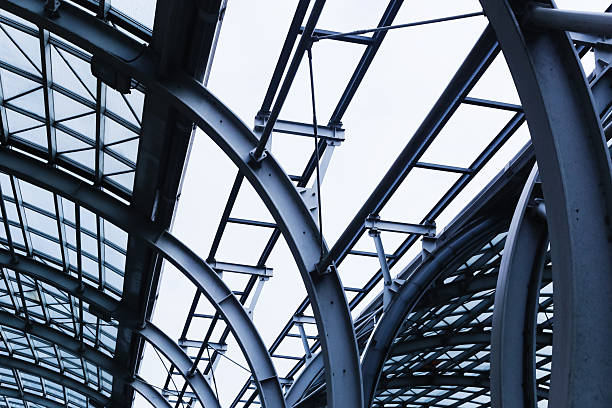
From skyscrapers to industrial facilities, steel structures are widely recognized for their strength, efficiency, and adaptability. The growing reliance on steel structures reflects the need for materials that can meet both performance and sustainability demands.
Understanding what makes steel structures so essential helps explain why they continue to dominate modern construction projects across the world.
Strength and Structural Efficiency
One of the main reasons steel structures are widely used is their exceptional strength-to-weight ratio.
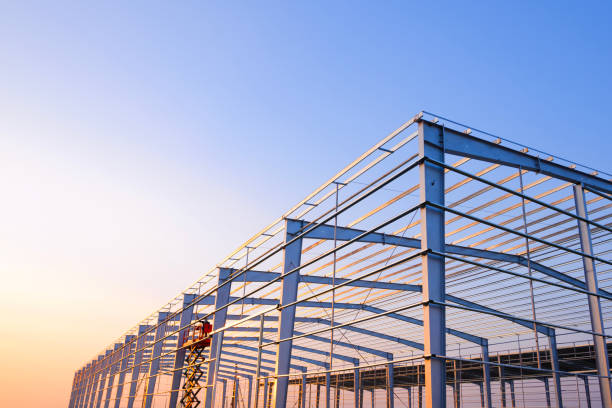
Compared to traditional materials, steel structures can support heavy loads while maintaining a relatively lightweight framework.
This efficiency allows engineers to design taller and more stable buildings without excessive material use. As a result, steel structures are ideal for high-rise developments and large-scale industrial projects.
Flexibility in Design
Modern architecture demands creativity, and steel structures provide the flexibility needed to achieve innovative designs. Architects can shape steel structures into complex forms, enabling unique and visually appealing buildings.
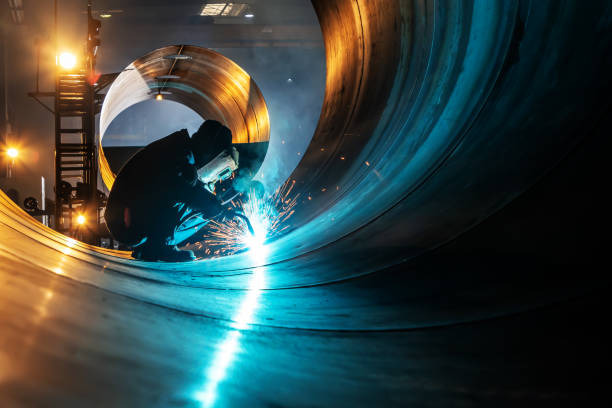
Whether it is curved designs or wide open interiors, steel structures make it possible to combine functionality with aesthetics in a way that few other materials can match.
Speed of Construction
Another major advantage of steel structures is the speed at which they can be constructed. Since many components of steel structures are prefabricated, on-site assembly becomes faster and more efficient.
This reduced construction time lowers labor costs and allows projects to be completed on schedule. For commercial and industrial developments, steel structures offer a clear advantage in meeting tight deadlines.
Durability and Longevity
Durability is a key factor in construction, and steel structures are built to last. Unlike wood or other materials, steel structures do not warp, crack, or suffer from pest damage.
With proper treatment, steel structures can also resist corrosion and harsh environmental conditions. This long lifespan makes steel structures a reliable choice for long-term investments.
Sustainability and Environmental Benefits
Sustainability is increasingly important, and steel structures contribute to environmentally responsible construction.
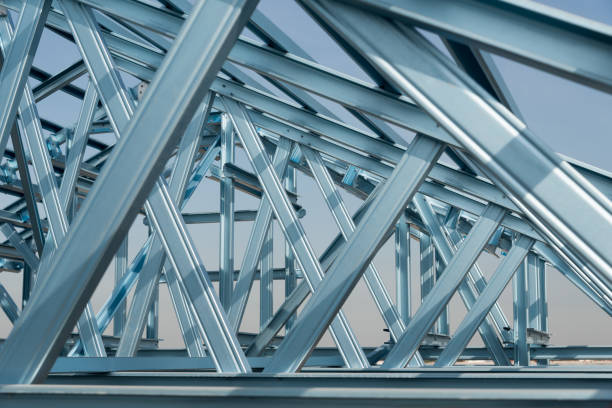
One of the biggest advantages of steel structures is that they are fully recyclable.
Using steel structures helps reduce waste and supports green building practices. Additionally, buildings made with steel structures can be designed to improve energy efficiency and reduce environmental impact.
Cost Effectiveness
Although the initial investment in steel structures may vary, the long-term savings are significant. Faster construction and lower maintenance costs make steel structures a cost-effective solution.
Over time, businesses benefit from the durability and adaptability of steel structures, reducing the need for major repairs or reconstruction.
Large Open Spaces
One of the standout features of steel structures is their ability to span large distances without internal supports. This makes steel structures ideal for warehouses, factories, and sports facilities.
The ability of steel structures to create open spaces improves functionality and allows for more efficient use of interior layouts.
Integration with Modern Technology
As technology advances, steel structures continue to play a crucial role in modern buildings. They provide the framework needed to integrate automation systems, smart technologies, and advanced infrastructure.
In industrial environments, steel structures support automated systems and production lines, making them essential for modern operations.
Safety and Reliability
Safety is always a top priority, and steel structures offer predictable and reliable performance. Properly designed steel structures can withstand heavy loads, strong winds, and seismic forces.
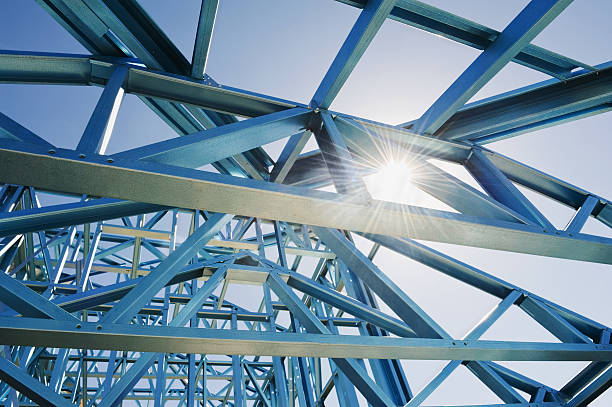
This level of reliability makes steel structures a trusted choice for critical infrastructure and large-scale construction projects.
Adaptability and Expansion
One of the most practical benefits of steel structures is their adaptability. As needs change, steel structures can be easily expanded or modified without major disruptions.
This flexibility allows businesses to grow without the need for completely new construction, making steel structures a smart long-term solution.
Conclusion
There is no doubt that steel structures have become the backbone of modern construction. Their strength, flexibility, durability, and efficiency make steel structures the preferred choice for engineers and developers worldwide.
As the industry continues to evolve, steel structures will remain at the forefront of innovation, supporting the development of smarter, faster, and more sustainable buildings.
Frequently Asked Questions (FAQ)
What are steel structures used for?
Steel structures are used in buildings such as warehouses, factories, bridges, and high-rise towers.
Why are steel structures important in modern construction?
Steel structures provide strength, speed, flexibility, and long-term durability, making them essential for modern projects.
Are steel structures environmentally friendly?
Yes, steel structures are recyclable and support sustainable construction practices.
How long do steel structures last?
Steel structures can last for decades with proper maintenance and protective treatments.
Can steel structures be modified after construction?
Yes, steel structures are highly adaptable and can be expanded or modified easily.