
The Importance of Structural Analysis in Steel Building Projects
Introduction
In modern engineering, precision and safety are essential in every construction project. One of the most critical processes that ensures both is structural analysis.
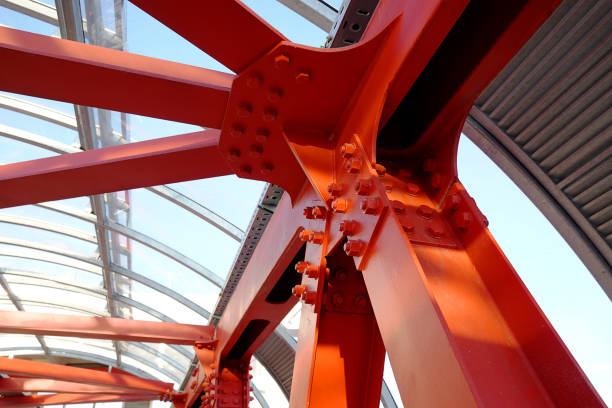
The importance of structural analysis in steel building projects cannot be overstated, as it directly affects the strength, stability, and performance of a structure.
By carefully evaluating loads, stresses, and material behavior, engineers can design safe and efficient buildings. Understanding the importance of structural analysis in steel building projects is key to avoiding failures and achieving long-lasting, reliable structures.
What is Structural Analysis?
Structural analysis is the process of determining how a structure responds to various forces such as loads, pressure, and environmental conditions. It involves calculating stress, strain, and displacement in structural elements.
This process highlights the importance of structural analysis in steel building projects, as it allows engineers to predict how steel components will behave under real-world conditions.
Ensuring Structural Safety
Safety is the primary goal of any construction project. Through proper analysis, engineers can identify potential weaknesses and ensure that all elements can withstand expected loads.
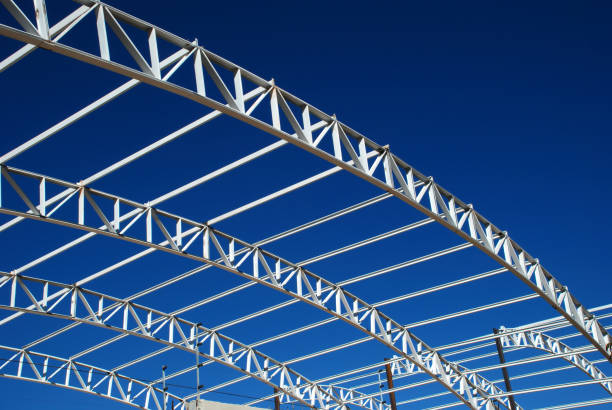
This makes the importance of structural analysis in steel building projects essential for preventing structural failures and protecting human lives.
Accurate Load Calculation
Steel structures are subjected to different types of loads, including dead loads, live loads, wind, and seismic forces. Accurate load calculation is a key part of structural analysis.
By understanding these forces, engineers can optimize designs, reinforcing the importance of structural analysis in steel building projects in maintaining stability and performance.
Optimization of Material Usage
Efficient use of materials is crucial for cost-effective construction. Structural analysis helps determine the exact amount of material required without compromising safety.

This efficiency demonstrates the importance of structural analysis in steel building projects, reducing waste and improving overall project economics.
Enhancing Design Efficiency
Structural analysis allows engineers to refine and improve their designs. By testing different configurations, they can achieve optimal performance and cost efficiency.
This capability further emphasizes the importance of structural analysis in steel building projects, enabling smarter and more innovative design solutions.
Compliance with Standards and Codes
Construction projects must comply with local and international building codes. Structural analysis ensures that designs meet these regulatory requirements.
Adhering to standards highlights the importance of structural analysis in steel building projects, ensuring legal compliance and safety assurance.
Use of Advanced Software Tools
Modern structural analysis relies on advanced software tools such as finite element analysis (FEA) programs. These tools allow engineers to simulate real-world conditions and evaluate structural performance.
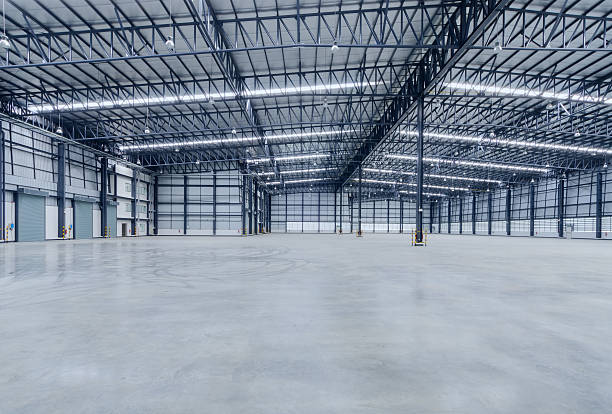
Technology enhances the importance of structural analysis in steel building projects, providing accurate and efficient analysis results.
Identifying Potential Failures
One of the key benefits of structural analysis is the ability to identify potential failure points before construction begins. Engineers can address these issues early in the design phase.
This proactive approach reflects the importance of structural analysis in steel building projects, reducing risks and avoiding costly repairs.
Supporting Complex Structures
Modern steel buildings often feature complex designs and large spans. Structural analysis makes it possible to safely execute these advanced architectural concepts.
This capability strengthens the importance of structural analysis in steel building projects, enabling innovation without compromising safety.
Improving Long-Term Performance
Structural analysis does not only focus on immediate performance but also considers long-term durability. Factors such as fatigue, corrosion, and environmental effects can be evaluated.

This long-term perspective reinforces the importance of structural analysis in steel building projects, ensuring sustainability and durability.
Collaboration Between Engineering Teams
Structural analysis promotes better collaboration between architects, engineers, and contractors. Clear data and simulations help all teams understand the design requirements.
This teamwork underscores the importance of structural analysis in steel building projects, improving communication and project success.
Conclusion
The importance of structural analysis in steel building projects lies in its ability to ensure safety, optimize design, and enhance performance. From accurate load calculations to advanced simulations, structural analysis is a fundamental part of modern construction.
As projects become more complex and demanding, the importance of structural analysis in steel building projects will continue to grow, supporting the development of safe, efficient, and innovative steel structures.
Frequently Asked Questions (FAQ)
What is structural analysis in construction?
It is the process of evaluating how a structure responds to loads and forces.
Why is structural analysis important for steel buildings?
It ensures safety, stability, and efficient use of materials.
What tools are used in structural analysis?
Engineers use software such as finite element analysis (FEA) tools.
Can structural analysis prevent building failures?
Yes, it helps identify and address potential weaknesses before construction.
Is structural analysis required for all projects?
Yes, it is essential for ensuring compliance with safety standards and regulations.